Ever found yourself mesmerized by those slow-motion videos of adorable, tree-dwelling creatures? Yep, we’re talking about sloths! Their perpetually chill vibe and impossibly cute faces have captured hearts worldwide. It’s no wonder, then, that the question pops into many minds: could a sloth be the ultimate, laid-back companion? The idea of having a pet that embodies ultimate relaxation is, to say the least, incredibly appealing. Imagine a furry friend who never demands a frantic game of fetch, but rather offers a gentle, unhurried presence. This fascination isn't just about a fleeting internet trend; it delves into our desire for companionship with unique and gentle animals. But before you start picturing a sloth snoozing on your couch, let’s delve into the nitty-gritty of whether this dream is a reality, or just a wonderfully whimsical fantasy.
The purpose of exploring this question isn't just to satisfy a cute animal curiosity. It's about understanding the intricate needs of wild animals and the ethical considerations involved in keeping them as pets. By examining the feasibility of having a sloth as a pet, we gain valuable insight into the commitment, knowledge, and resources required to care for any exotic animal. The benefits of this exploration are manifold: it educates the public about sloth biology and behavior, highlights the importance of conservation efforts, and ultimately, encourages responsible engagement with the natural world. It’s a journey that, while potentially leading to a “no,” still enriches our understanding and appreciation of these fascinating creatures.
So, can you actually have a sloth as a pet? The short, and rather definitive, answer is no, not in the way you might envision owning a dog or a cat. While the idea is undeniably charming, the reality is far more complex and, frankly, ill-suited for the average household. Sloths are wild animals, and their biology, environment, and social needs are incredibly specific and are deeply tied to their native habitats in Central and South America.
One of the primary reasons why sloths make poor pets is their highly specialized diet. In the wild, they subsist almost exclusively on leaves from a very particular range of trees. Replicating this diet in captivity is incredibly challenging, if not impossible, without expert knowledge and access to specific plant species. Incorrect or insufficient nutrition can lead to severe health problems, pain, and even death for the sloth. These aren't animals that can thrive on commercial pet food. Their digestive systems are uniquely adapted to a low-energy, high-fiber diet, and tampering with this can have devastating consequences. Think about it: you wouldn't feed a koala eucalyptus if it wasn't readily available and in the correct variety. Sloths are no different in their dietary demands.
Furthermore, sloths have a metabolism that is astonishingly slow. This isn't just a charming quirk; it dictates their entire lifestyle. They sleep for extended periods, move very little, and their body temperature fluctuates with their environment. This means they require very specific temperature and humidity levels, much like their tropical rainforest homes. Attempting to create such an environment within a standard home is a monumental task, requiring specialized enclosures and constant monitoring. It's not just about a warm room; it's about recreating a microclimate that mimics a rainforest canopy. This level of care is beyond the scope of most individuals and is typically only achievable in zoological institutions with dedicated teams of professionals.
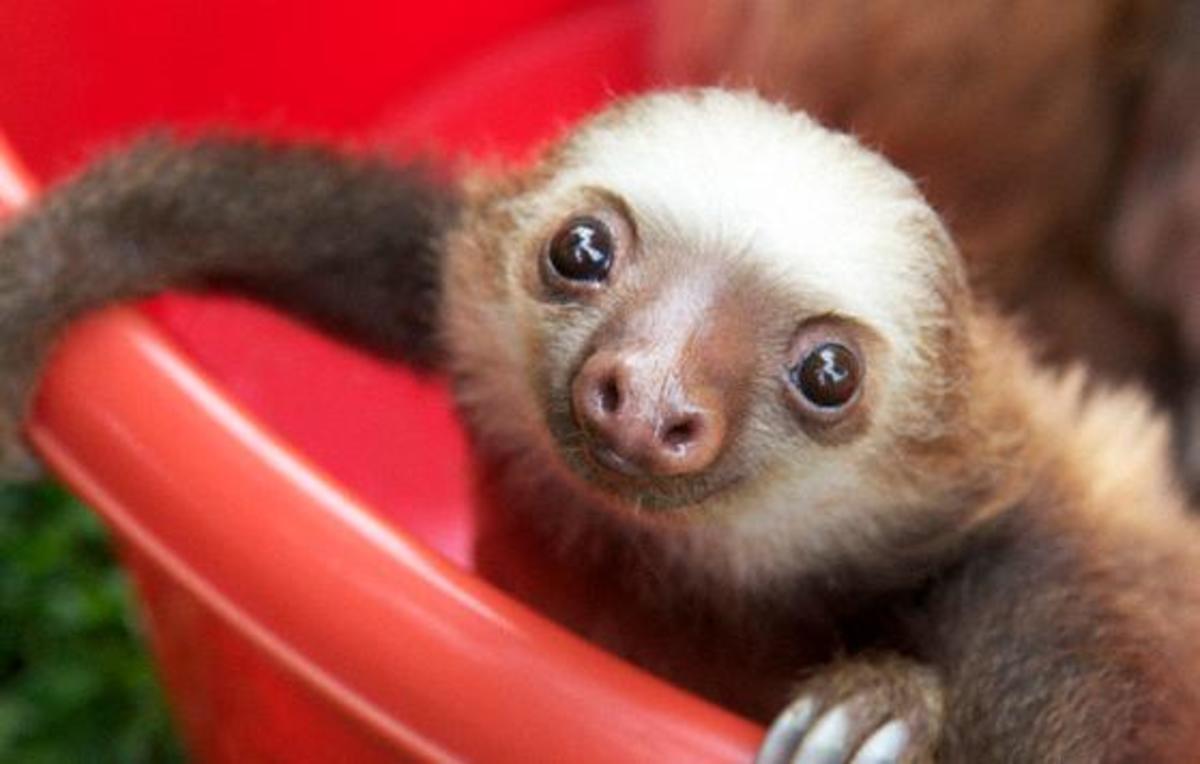
Pet Sloth
Another crucial factor is their behavior and social needs. Sloths are solitary creatures, but they still have needs related to their environment and their natural instincts. They need vertical space to climb, hang, and navigate. They are also incredibly sensitive to stress. Loud noises, sudden movements, and unfamiliar environments can cause them immense distress. Imagine the constant bustle of a typical household from a sloth's perspective – it would be an overwhelming and terrifying experience. Their natural behaviors, such as meticulously grooming themselves and carefully selecting their food, are slow and deliberate, and these cannot be easily accommodated in a domestic setting.
Keeping a sloth as a pet would not only be detrimental to the sloth's well-being but also presents significant legal and ethical challenges.
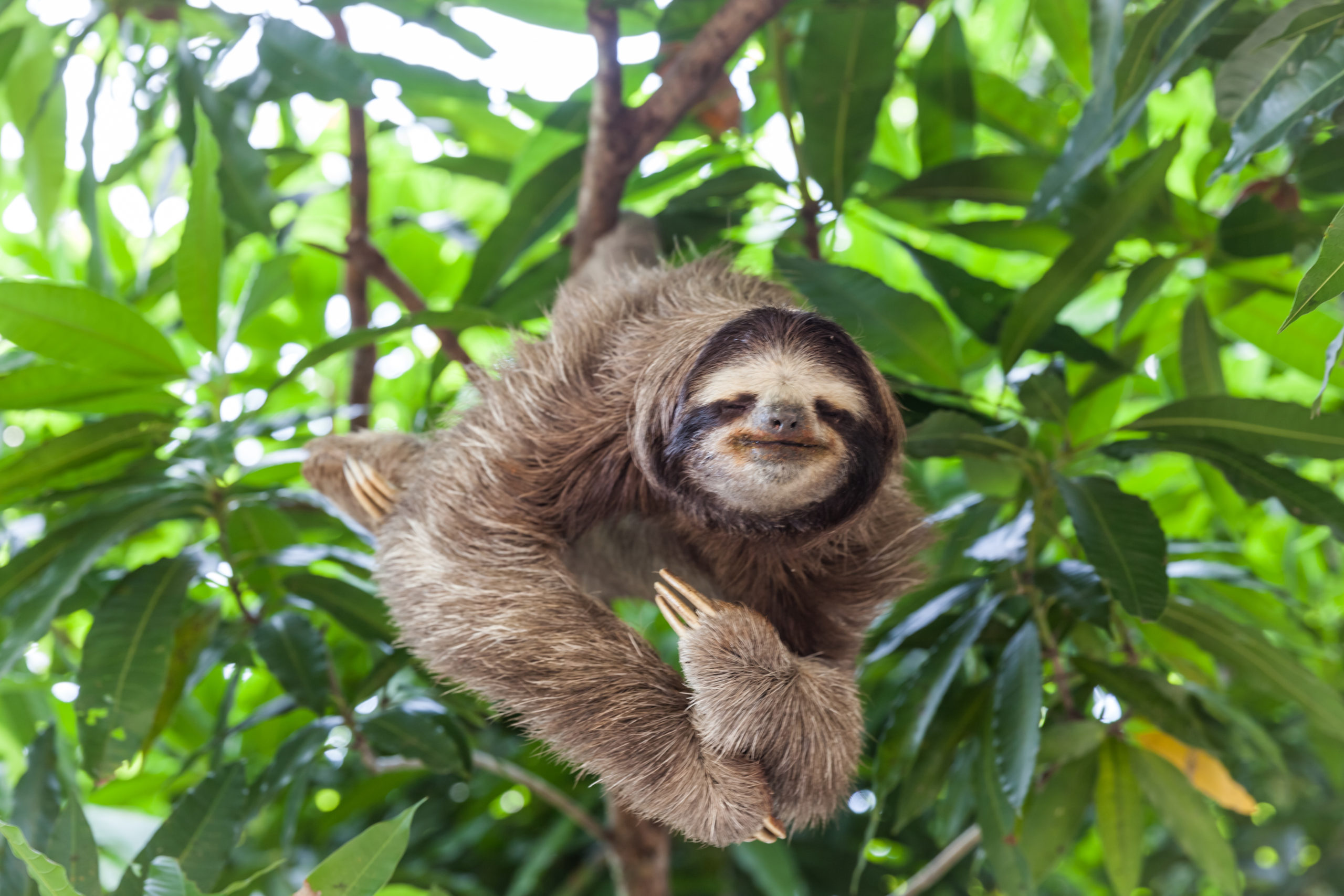
Can You Have A Sloth As A Pet | DISCUSS PETS
Legally, owning exotic animals like sloths is highly restricted or outright prohibited in many countries and regions due to conservation concerns and the difficulties in ensuring their welfare. The exotic pet trade, even for animals that appear docile, often fuels illegal poaching and unsustainable practices that harm wild populations. When you consider the endangered status of some sloth species, the idea of them being removed from their natural habitat for the pet trade becomes even more disturbing.
The people who do work with sloths in a captive environment are highly trained zoologists, veterinarians, and animal keepers. They dedicate their lives to understanding the complex needs of these animals and providing them with the specialized care they require. They have access to veterinary specialists who understand exotic animal medicine, and they can create environments that precisely mimic the sloths’ natural habitats. These are not hobbyists; they are professionals working within a structured and regulated system.
Can You Have A Sloth As A Pet | DISCUSS PETS
Instead of dreaming of a sloth on your lap, a far more rewarding and ethical way to appreciate these incredible creatures is to support conservation efforts. Organizations dedicated to protecting sloths and their habitats are doing vital work to ensure their survival in the wild. You can contribute by donating to these organizations, raising awareness about the threats they face, or even visiting reputable sanctuaries and zoos where you can observe them in well-maintained environments and learn from experts.
The allure of a sloth as a pet stems from our admiration for their peaceful existence. However, that very existence is dependent on a delicate balance of environmental factors and specific biological needs that are impossible to replicate in a typical home. While the thought of cuddling a slow-moving, fluffy friend is undeniably appealing, it’s a fantasy that serves best as a reminder of the wild beauty of these creatures and the importance of letting them thrive in their natural homes. So, while you can’t have a sloth as a pet, you can certainly cherish their existence from afar and advocate for their protection. Let's keep our sloths wild, wonderful, and exactly where they belong.





:strip_icc()/pet-sloths-1239558_FINAL-5bb7c39b46e0fb002692b888.png)