
Can You Have A Bat For A Pet

Okay, so let’s talk bats. You know, the little fluttery things that zoom around at twilight. You’ve probably seen them, right? Maybe in cartoons, or at a creepy old house. They’re kinda mysterious. And they’re definitely cool. So, the big question, the one that pops into your head after watching a nature documentary or maybe after a particularly vivid dream: Can you have a bat for a pet?
Let’s be upfront. This isn’t like getting a goldfish. Or even a super-energetic puppy. Having a bat as a pet is… well, it’s complicated. Like, really complicated. It’s not a simple “yes” or “no.” It’s more of a “maybe, but probably not, and here’s why it’s a wild idea to even consider.”
First off, let’s get the obvious out of the way. Most bats you see flying around outside are wild animals. And wild animals generally don’t make the best pets. They have needs. Very specific, very wild needs. Needs that are hard to meet in your average living room. Think about it. They eat bugs. Loads and loads of bugs. Like, a really impressive amount of bugs. Your local pet store probably doesn't stock a "midnight snack" buffet for bats.
Must Read
And where do they sleep? Upside down, usually. In caves. Or attics. Or hollow trees. Your IKEA bookshelf isn’t exactly the same as a cozy, dark, and slightly damp cave, is it? Plus, they’re nocturnal. That means they’re awake when you’re trying to sleep. Imagine a tiny, winged roommate who’s super active at 3 AM. Not exactly conducive to a good night's rest.
Now, before you completely dismiss the idea, there are actually some people who do have bats as pets. But these aren't your casual, impulse-buy bats. These are usually rescued bats. Bats that are injured, orphaned, or otherwise unable to survive in the wild. People who are trained, who have special permits, and who dedicate a huge amount of time and effort to caring for these creatures.
These folks are the superheroes of the bat world. They become foster parents, essentially. They learn about bat diets, bat habitats, and all the ins and outs of keeping these amazing animals healthy and happy. It’s a serious commitment. It's not for the faint of heart. Or for someone who just wants a unique pet to show off.
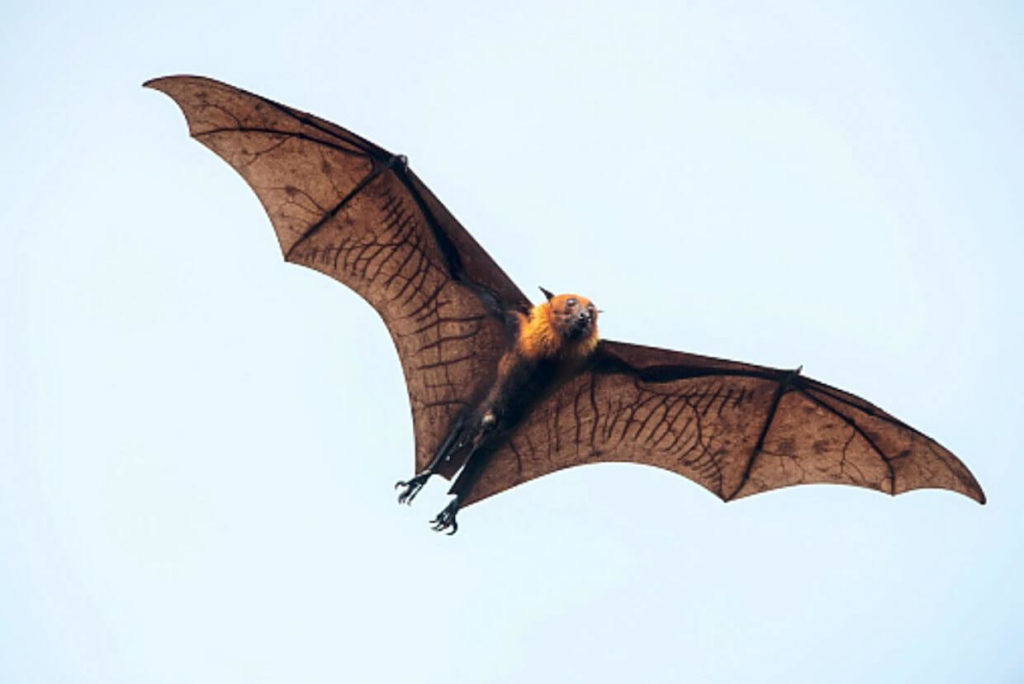
Let's dive into some of the quirky facts that make bats so fascinating. Did you know that bats are the only mammals capable of sustained flight? That’s pretty mind-blowing. Birds fly, sure. Insects fly. But a furry, warm-blooded mammal soaring through the night sky? That’s a special kind of awesome.
And their echolocation? It’s like having a built-in sonar system. They make these high-pitched sounds, and then they listen to the echoes bounce back. It tells them where things are. It helps them navigate. It helps them find food. It’s like a superpower for dinner hunting. Imagine if you could find your keys by just… making a noise and listening to where they are. Revolutionary.
There are over 1,400 species of bats. That’s a lot of variety! From the tiny bumblebee bat, which is smaller than your thumb, to the huge flying foxes with wingspans of up to five feet. They come in all shapes and sizes. Some have cute, fox-like faces. Others look like little flying gremlins. Either way, they’re incredibly diverse.
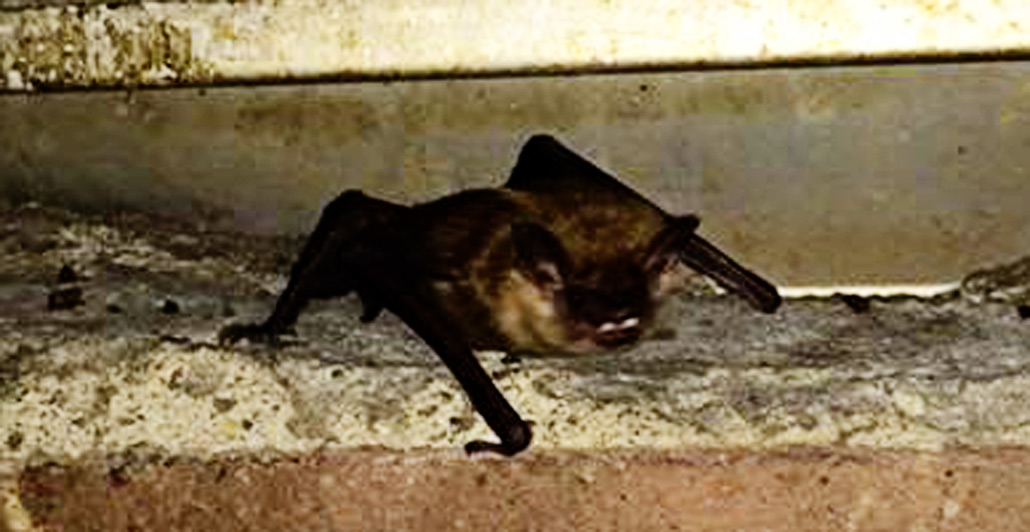
And they play a huge role in our ecosystems. Seriously. Some bats are incredible pollinators. They help spread seeds. They’re like the little night-shift gardeners of the plant world. And then there are the insectivores. They eat millions of insects every single night. That means fewer mosquitoes buzzing around your head. You can thank a bat for that!
So, why is this topic so fun to talk about? Because it’s unexpected! It’s outside the box of what we typically consider a pet. It sparks our imagination. We think of these creatures of the night, shrouded in myth and legend, and then we ponder the idea of bringing one into our homes. It’s a little bit thrilling, a little bit spooky, and a whole lot of interesting.
But let's circle back to the reality check. The legalities of keeping a bat as a pet are generally quite strict. In many places, it’s outright illegal without special permits. These laws are in place to protect both the bats and the people. Bats can carry diseases, like rabies, although it’s rarer than people often think. But the risk is there, and it’s taken seriously.

And even if you could legally have a bat, would you really want to? Think about the specialized diet. The specialized housing. The specialized veterinary care. Finding a vet who knows how to treat a bat is like finding a unicorn. They’re not exactly standard patients.
Instead of trying to bring a bat home, what can you do to appreciate these amazing creatures? You can support bat conservation organizations. You can learn more about them. You can even put up a bat house in your yard. It's a great way to provide a safe roosting spot for local bats, and you get to enjoy watching them fly around at dusk. It’s like having a natural pest control service and a nightly nature show, all rolled into one.
You can also become a citizen scientist. Some organizations track bat populations. You can help by reporting sightings. It’s a way to contribute without the overwhelming responsibility of pet ownership.

The idea of a pet bat is a fun thought experiment. It’s a way to explore the boundaries of what we consider normal. It’s a conversation starter. It’s a reminder of the incredible diversity of life on our planet.
So, can you have a bat for a pet? The short answer is: for the vast majority of people, the answer is a resounding no. It’s not practical, it’s often not legal, and it’s certainly not the best thing for the bat. But that doesn’t mean we can’t be endlessly fascinated by them. They are the true masters of the night sky, and they deserve our respect, our admiration, and our protection.
Keep dreaming about those amazing flying mammals, but maybe stick to admiring them from a distance. Or, better yet, help protect their natural habitats. That’s the coolest way to be a friend to bats, hands down.

