Can You Grow Olive Trees In Uk
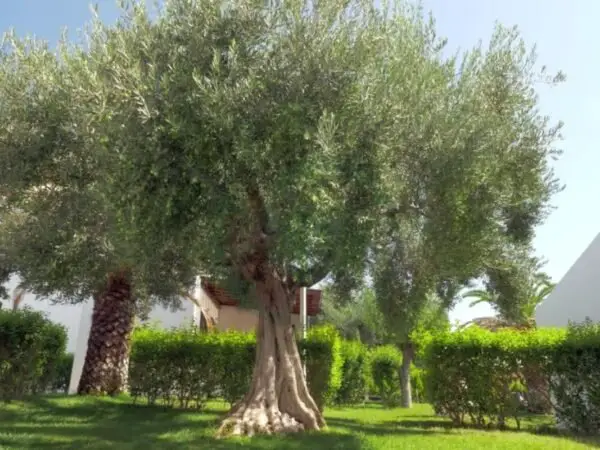
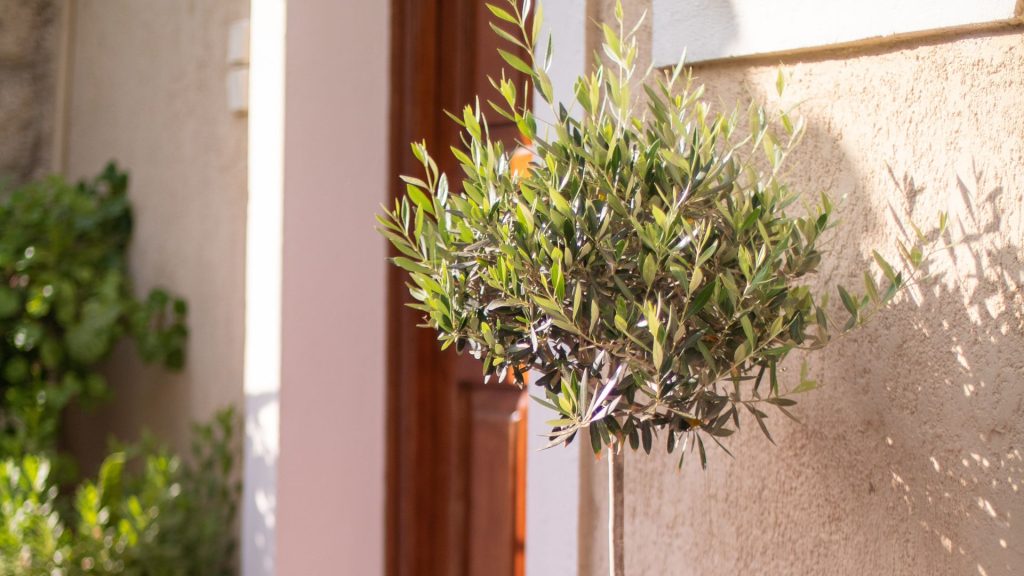
I remember the first time I saw an olive tree in the UK. It was at a garden centre, tucked away in a corner that felt more Mediterranean than Merseyside. I swear, I did a double-take. I’d always associated olive trees with sun-drenched Italian hillsides, ancient Greek groves, and the kind of idyllic landscapes that grace postcards. So, finding one blooming (well, looking rather stoic, if I’m honest) amongst the petunias and pansies felt like a delightful anomaly. It made me wonder, with a mischievous glint in my eye, are we just pretending these are here, or can you actually grow olive trees in the UK?
And that, my friends, is the million-dollar question, isn't it? The one that whispers to every gardener who’s ever dreamt of a little bit of Mediterranean magic in their otherwise perfectly British back garden. It’s a question that hovers in the air like the scent of damp earth after a summer shower. So, let’s dive in, shall we? Let’s unravel the mystery of the UK olive tree.
The Short Answer: Yes, But…
Alright, I’m not going to keep you in suspense. The short, sweet, and slightly complicated answer is: Yes, you absolutely can grow olive trees in the UK.
Must Read
But, and this is a pretty significant ‘but’ – it’s not quite as simple as popping a sapling in the ground and expecting buckets of olives by autumn. Think of it less like a spontaneous holiday and more like a carefully planned glamping trip. You’ve got to pack the right gear, choose the right spot, and be prepared for a few British quirks.
The key lies in understanding what an olive tree truly craves, and then figuring out how to give it that, even when the weather is doing its best impression of a moody teenager.
What Olives Really Want
If olive trees could talk, they'd probably sigh and say something like, "Oh, if only I could feel that relentless sun on my leaves all day, every day. And wouldn't it be lovely to have a really, really dry summer? My roots get so bored when it rains too much, you know."
Their natural habitat is the Mediterranean basin, a place synonymous with:
- Abundant Sunshine: They need loads of it. The more sun, the happier they are, and the more likely they are to produce those precious little fruits.
- Hot, Dry Summers: They thrive on arid conditions. Think baked earth, not soggy bottom.
- Mild Winters: While they can tolerate some cold, prolonged, hard frosts are not their best friends.
- Well-Drained Soil: This is crucial. They hate sitting in waterlogged soil, which can lead to root rot.
Now, let’s be honest. Our UK climate, bless its heart, doesn’t exactly tick all those boxes with wild abandon. We get sunshine, yes, but often in fleeting bursts. Our summers can be warm, but are they consistently hot and dry? Rarely. And our winters? Well, let’s just say they can be a bit of a gamble.
So, How Do We Cheat the System?
This is where the savvy UK gardener steps in, armed with knowledge and a healthy dose of pragmatism. We’re not trying to replicate the Tuscan countryside exactly, but we’re going to give our olive trees the best possible chance to flourish.

Location, Location, Location (and Sun!)
This is arguably the most important factor. Forget shady corners or north-facing walls. You need to find the warmest, sunniest spot in your garden. Think:
- South-facing walls: These radiate heat and offer protection from cold winds.
- Against a sunny fence: Similar to a wall, it provides a microclimate of warmth.
- Sheltered spots: Protect your tree from strong, cold winds, which can really damage the leaves and young shoots.
Even a slightly breezy spot can be a deal-breaker for a young olive. Imagine trying to have a deep conversation in a gale – it’s just not conducive to growth, is it?
Pot Power: The Magic of Mobility
For many of us, growing olive trees in pots is the secret weapon. Why? Because it gives you ultimate control.
- Winter Protection: When the weather starts to turn frosty, you can simply move your potted olive tree to a sheltered spot, like a greenhouse, a conservatory, a bright porch, or even just a sheltered corner of the house. This is a game-changer.
- Sun Seeking: In the summer, you can move your pot around the garden to follow the sun, giving your tree maximum exposure.
- Drainage Control: Pots, especially if they have good drainage holes, make it much easier to ensure your olive tree isn't sitting in water.
When choosing a pot, go for something generous. Olives don’t like being root-bound, so give them some space to stretch. Terracotta pots look lovely and are porous, allowing the soil to breathe, but they can dry out faster. Plastic pots retain moisture better, which can be a blessing or a curse depending on your watering habits.
Soil: The Foundation of Happiness
As we established, olive trees loathe soggy feet. This is non-negotiable. Whether you’re planting in the ground or in a pot, excellent drainage is paramount.
- For in-ground planting: If you have heavy clay soil, you’ll need to amend it heavily. Dig a wide hole and mix in plenty of grit, sand, and organic matter like compost. Some people even create a raised bed for their olive tree to ensure water can escape easily.
- For pots: Use a good quality, free-draining potting compost. You can buy specific Mediterranean or cactus compost, or create your own by mixing standard compost with plenty of perlite or grit.
Honestly, spending a bit of extra time and money on the right soil mix is going to save you a lot of heartache down the line. It’s the difference between a struggling plant and a thriving one.
Watering: Less is Often More
This is where most people go wrong. We’re so conditioned to water our plants regularly, but olives are survivors. They’ve evolved to cope with drought.
- In the summer: Water deeply but infrequently. Allow the soil to dry out between waterings. Stick your finger into the soil about an inch or two down – if it feels dry, it’s time to water. If it’s still moist, leave it.
- In the winter: Water even less. If your tree is in a pot and you’ve brought it indoors or to a sheltered spot, it will need very little water. Overwatering in winter is a recipe for disaster.
It sounds counter-intuitive, doesn’t it? But trust me, your olive tree will thank you for it. Think of it like this: you wouldn't give a sunbathing holidaymaker a constant bath, would you?
Feeding: A Little Goes a Long Way
Olive trees aren't greedy feeders. In fact, over-fertilizing can be detrimental.
- During the growing season (spring to late summer): You can feed your olive tree with a balanced liquid fertilizer, but dilute it to half the strength recommended on the packaging. Do this maybe once or twice during the summer.
- Avoid feeding in autumn and winter.
They're hardy, not fussy eaters. A little polite offering is all that's needed.
Pruning: Keeping it Tidy and Productive
Pruning is important for shaping your tree, encouraging bushier growth, and sometimes, to improve air circulation, which can help prevent disease.
- The best time to prune is in late spring or early summer, after the risk of frost has passed and the main growth spurt has begun.
- Remove any dead, damaged, or crossing branches.
- You can also trim back any overly long shoots to maintain a neat shape.
Don’t go mad with the secateurs, though. A light touch is usually best. You’re aiming for a healthy, well-shaped tree, not a miniature topiary swan (unless that's your thing, of course!).
Which Olive Tree Varieties Are Best for the UK?
Not all olive trees are created equal when it comes to surviving a British climate. Some varieties are naturally hardier than others.
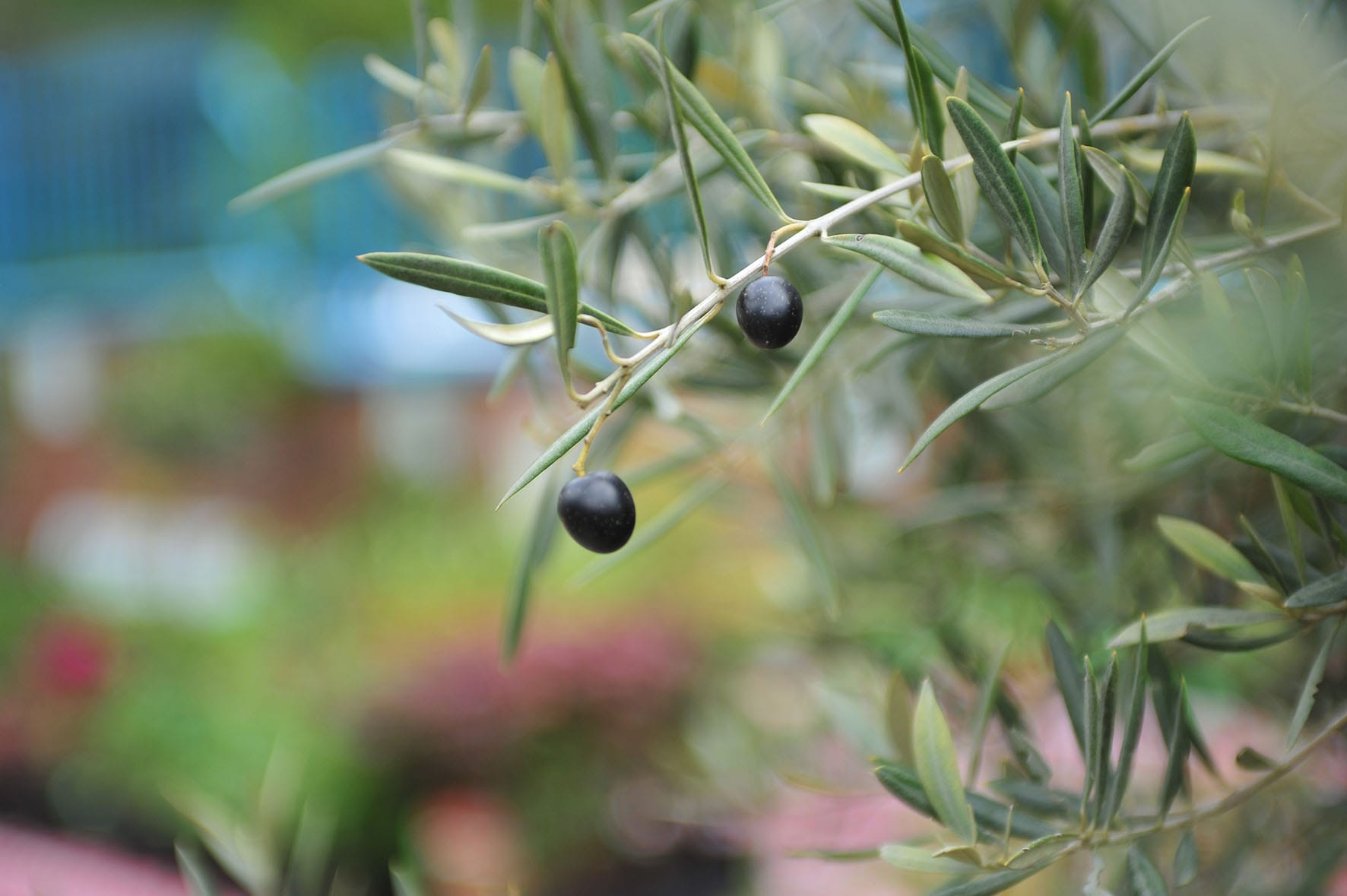
- Olea europaea ‘Arbequina’: This is a popular choice, known for its relatively good cold tolerance and ability to produce fruit.
- Olea europaea ‘Picual’: Another robust variety that tends to do well.
- Olea europaea ‘Koreneiki’: This Greek variety is also known for its hardiness.
When buying, look for trees that are described as being more cold-hardy. Some garden centres are becoming increasingly knowledgeable about which varieties are best suited for our climate. It’s always worth having a chat with the staff – they might be full of invaluable tips!
The Holy Grail: Growing Olives (and Can You Eat Them?)
Now, for the million-dollar question within the question: will my UK-grown olive tree produce olives, and can I eat them?
The answer is… maybe, and yes, but they need processing.
Achieving a significant olive harvest in the UK is challenging but not impossible. It depends on a combination of factors:
- Variety: Some varieties are more prone to fruiting than others.
- Age of the Tree: Olive trees can take a few years to start producing fruit.
- Climate: A particularly warm, sunny summer with mild autumn weather will significantly increase your chances.
- Pollination: While many olive trees are self-fertile, having another olive tree nearby can sometimes improve fruit set.
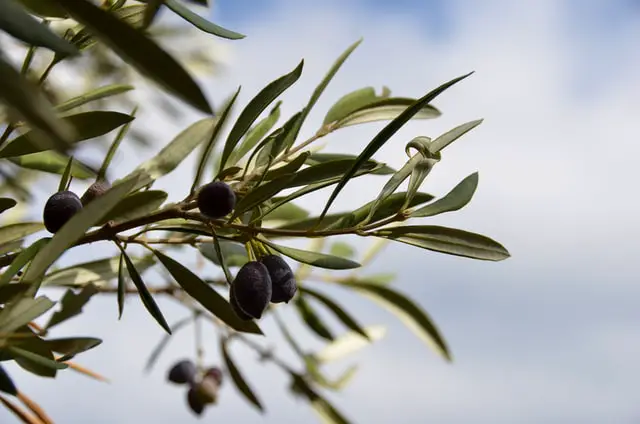
If you are lucky enough to get some olives, remember they are not like the ones you buy in jars at the supermarket. Freshly picked olives are incredibly bitter and inedible!
They require a process of curing to remove the bitterness. This typically involves soaking them in water, brine, or a lye solution, followed by further brining. It’s a bit of a project, but very rewarding if you’re feeling adventurous!
So, while you might not be supplying your local deli with Olea europaea delights anytime soon, the satisfaction of growing your own, even if just for the foliage, is immense.

Troubleshooting Common Olive Tree Issues in the UK
Even with the best intentions, you might encounter a few bumps in the road. Here are some common issues:
Yellowing Leaves
This is often a sign of overwatering, especially in the cooler months. It can also be a sign of poor drainage. Check your watering schedule and ensure your soil isn't waterlogged.
Frost Damage
Young shoots and leaves are most vulnerable. If frost damage occurs, prune back the affected areas in the spring once the risk has passed. This is why overwintering in a sheltered spot is so beneficial.
Pests
While generally pest-resistant, they can occasionally suffer from scale insects or spider mites. A good spray of soapy water or a horticultural oil can usually sort them out. Regular inspection is key!
The Verdict: Is it Worth It?
Absolutely! Growing an olive tree in the UK is a rewarding experience, even if you never see a single olive. The silvery-green foliage is incredibly attractive and adds a touch of exotic elegance to any garden or patio. They are relatively low maintenance once established and incredibly drought-tolerant (once they're settled, of course).
It’s about embracing the challenge, creating the right conditions, and enjoying the journey. It’s about bringing a little piece of the Mediterranean sunshine, even if it’s just a miniature version, to your doorstep.
So, go on. Be bold. Get yourself an olive tree. Find that sunny spot, give it well-drained soil, and treat it with a little less water than you might think. You might just be surprised at how well it thrives. And who knows, one day, you might even be curing your very own little batch of homegrown olives. Now, wouldn’t that be something to brag about?