Can You Get Flu After Flu Jab
Ever found yourself feeling a bit under the weather, perhaps with a sniffle or a cough, and wondered, "Wait, didn't I just get that flu jab?" It's a question that pops into many minds, a little puzzle that makes us curious about how our bodies and those handy vaccines actually work. Thinking about it is a bit like unraveling a small mystery, and understanding the answer can be surprisingly empowering when it comes to staying healthy. So, let's dive into the intriguing world of flu shots and explore why you might still feel a bit… un-flu-like, even after getting protected.
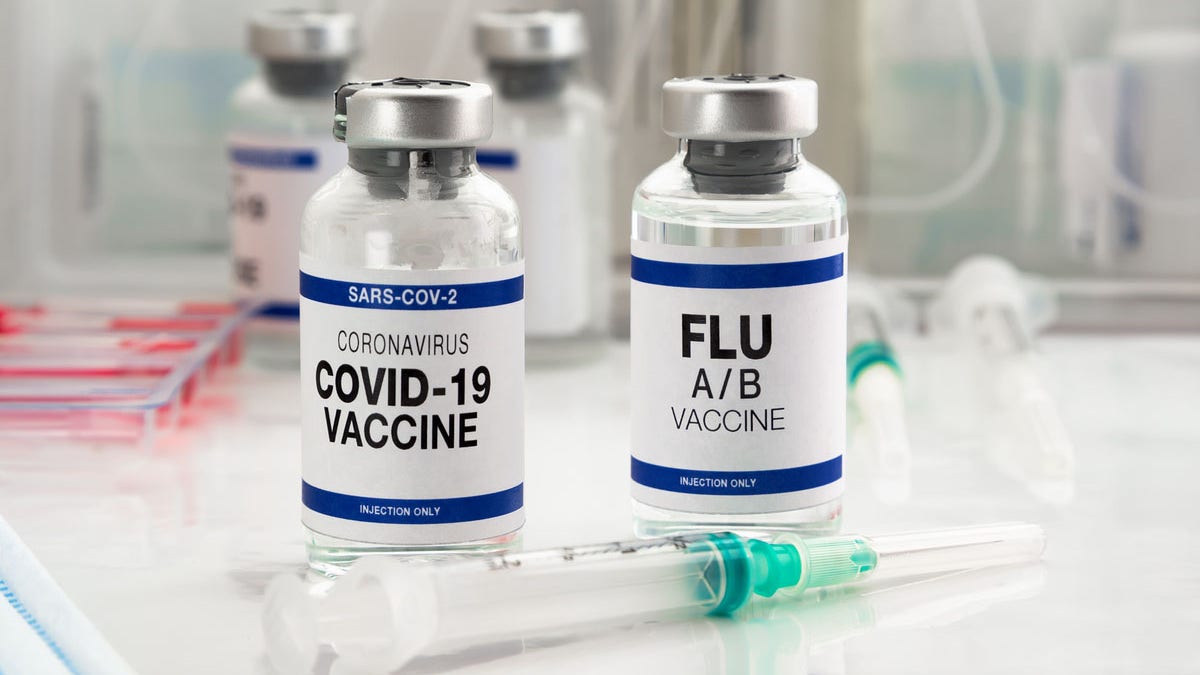
The primary purpose of the flu jab is to give your immune system a head start against the influenza viruses that are expected to be most common during a given flu season. Think of it as a training session for your body's defense force. The vaccine introduces your immune system to weakened or inactive parts of the flu virus, or even just a genetic blueprint for those parts. This prompts your body to build up antibodies – special proteins that can recognize and fight off the real virus if you encounter it. The benefits are significant: it can drastically reduce your risk of catching the flu, and if you do get it, the illness is often much milder and less likely to lead to serious complications like pneumonia or hospitalization.
In an educational setting, understanding this concept is brilliant for science classes. Students can learn about immunology, the history of vaccine development, and the concept of herd immunity. In our daily lives, grasping this helps us make informed decisions about our health. For instance, when you hear about flu outbreaks, knowing how the jab works can encourage you to get vaccinated, especially if you’re around vulnerable individuals like young children or the elderly.
Must Read
Now, to the big question: Can you get the flu after the flu jab? The short answer is, yes, it’s possible, but it’s much less likely and usually less severe. There are a few key reasons for this. Firstly, the flu shot doesn’t protect against 100% of flu viruses. There are many different strains, and the vaccine is designed to target the most probable ones for the season. Sometimes, a strain that wasn't anticipated can circulate, or the vaccine might not be as effective against a particular strain. Secondly, it takes about two weeks for your body to develop full immunity after vaccination. If you’re exposed to the flu virus shortly before or during this window, you could still get sick. Lastly, you might be experiencing symptoms from a different virus altogether – the common cold, for example, is caused by hundreds of other viruses and isn't prevented by the flu jab.
Exploring this further is easy! You can start by visiting reputable health websites like the CDC or WHO for clear explanations. For a more hands-on approach, consider looking into simple animations that visually depict how antibodies work. Discussing it with your doctor or a healthcare professional is also a fantastic way to get personalized information. Next time you get your flu shot, you can even ask them about the specific strains the vaccine protects against this year. It’s a simple yet effective way to stay curious and informed about your health!