Can You Drive A Boat And Drink

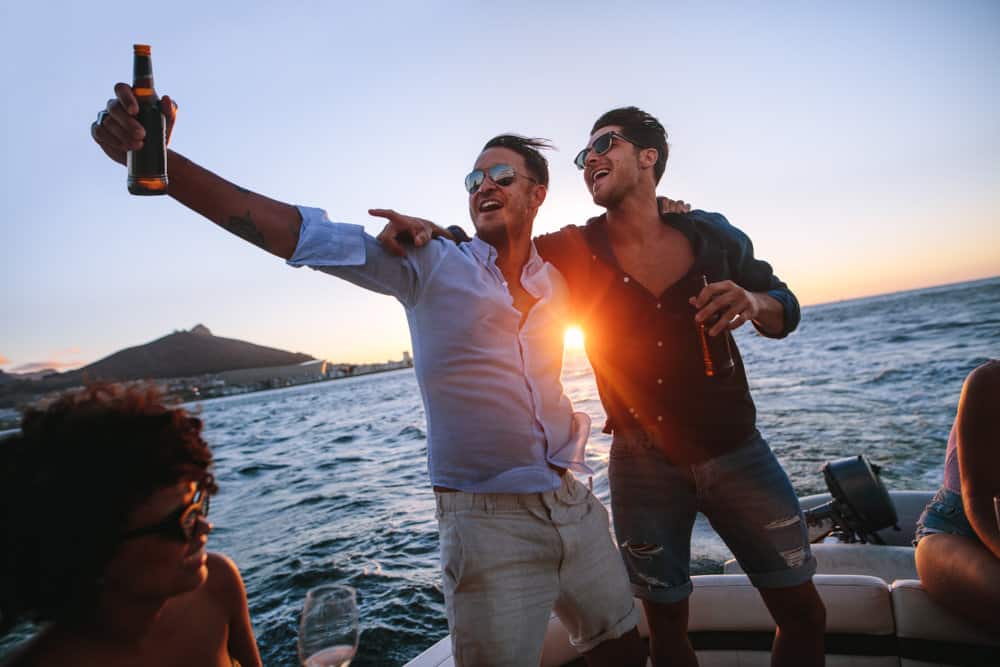
Hey there, fellow water enthusiast! Ever found yourself out on the lake, sun on your face, a gentle breeze… and a little voice in your head whispering, "Could I totally enjoy a cold beverage right now while at the helm?" It’s a question that pops up more often than you might think, and let's be honest, the thought of sipping a refreshing drink while captaining your own vessel is pretty darn appealing. So, grab a metaphorical (or maybe a real, but responsibly, of course!) drink, and let's dive into the nitty-gritty of whether you can, in fact, drive a boat and drink.
First things first, let's get this out of the way: the short answer is… it's complicated. Not a simple yes or no, unfortunately. It's like asking if you can wear socks with sandals – technically possible, but there are opinions and rules involved! And when it comes to boating and booze, those opinions and rules are pretty important for keeping everyone safe and sound.
The biggest thing to understand is that, just like driving a car on the road, operating a boat under the influence of alcohol is a big no-no. Most places have laws that mirror those for driving on land. This means there are Blood Alcohol Content (BAC) limits that you absolutely cannot exceed. These limits can vary slightly by state or country, but they're generally around the same as the 0.08% you’re probably familiar with from car laws. So, that chill, happy-go-lucky feeling can quickly turn into a legal headache if you’re not careful.
Must Read
So, What's the Deal with Boating and Booze?
Think of it this way: when you’re on a boat, you’re often dealing with elements that aren't on a paved road. You've got waves, wind, changing currents, and the potential for unexpected hazards. Your reflexes need to be sharp, your judgment clear, and your ability to react quickly is paramount. Alcohol, as we all know, is a depressant. It can slow down your reaction time, impair your judgment, and mess with your coordination. Not exactly the ideal toolkit for navigating choppy waters or docking smoothly, right?
Plus, there's the whole issue of the sun and the water. You might feel less intoxicated than you actually are because the cool spray of the water and the warmth of the sun can be deceptive. It's a phenomenon often called "boater's hypnosis" or "boater's fatigue," and when combined with alcohol, it can be a dangerous cocktail of impaired perception. So, that second or third beer might feel refreshing, but it could be doing more damage than you realize to your ability to safely pilot your vessel.
Let's talk about who's in charge. If you're the designated captain, the responsibility falls squarely on your shoulders. Even if you're not directly steering, if you're in a position of authority or control on the boat, you could still be held accountable. It's not just about holding the steering wheel; it's about being in command.
Are There Any Loopholes? (Spoiler: Not Really, but let's explore!)
Okay, so the strict legal answer is "don't drink and drive." But what about those casual outings where maybe you’re just cruising along, and someone else is at the helm? Can a passenger have a drink? Absolutely! The laws are generally focused on the operator of the vessel. So, if you’re a passenger chilling on the back of the boat, you can usually enjoy your beverage of choice without legal repercussions.
However, and this is a big "however," even as a passenger, it’s important to be mindful. Being excessively drunk can still lead to issues. You could become a hazard to yourself or others, and law enforcement can intervene if your behavior becomes disruptive or dangerous. Think about it: falling overboard because you’re too unsteady, or getting into an argument that escalates. It’s all about maintaining a sense of responsibility, even when you're not the one in charge.
And what about those very, very calm days on the water? Maybe you're anchored in a quiet cove, enjoying a picnic with a glass of wine. In many jurisdictions, if your boat is anchored, moored, or docked, and you're not actively navigating, the laws regarding operating under the influence might not apply. This is where things get a bit "gray." But here’s the catch: the interpretation of "operating" can be tricky. If you're in a position where you could easily start the engine and move the boat, authorities might still consider you in command. It's like having the keys in your pocket – even if the car is parked, you have the potential to drive.
Some states might have specific provisions for this, so it’s always best to know the laws in your local waters. Don’t assume that just because you’re not moving, you’re in the clear. It’s better to be safe than to end up explaining your leisurely lunch to a marine patrol officer.
The Real Risks of Boating Under the Influence
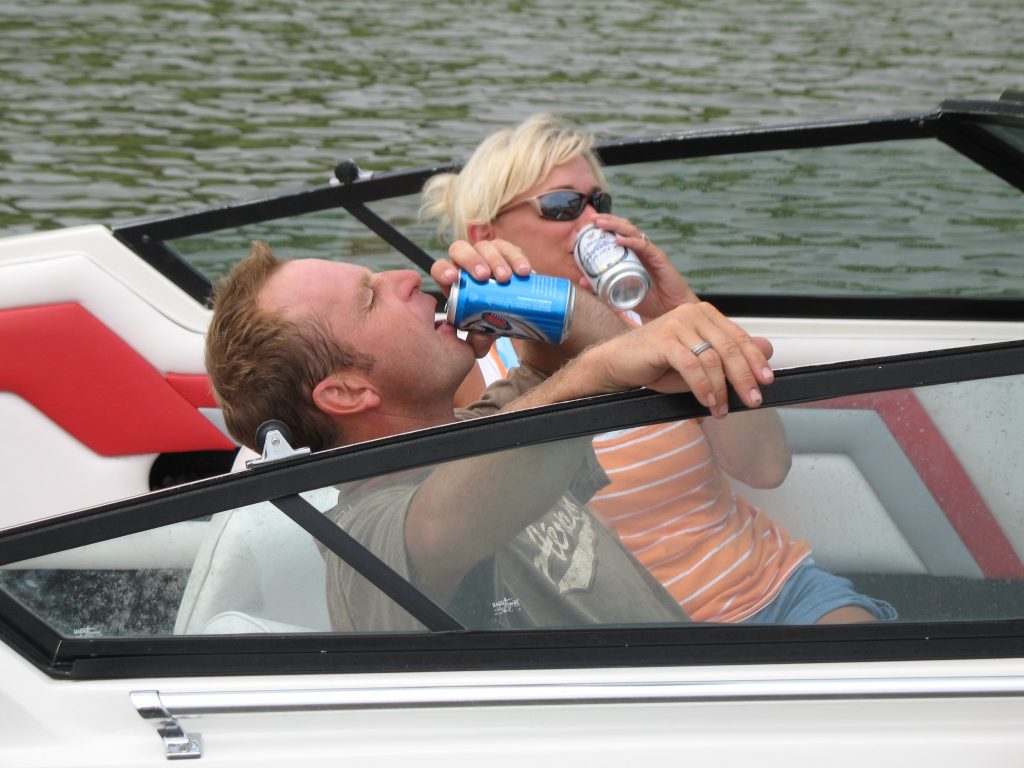
Beyond the legal ramifications, which can include hefty fines, license suspension, and even jail time, the dangers of boating under the influence are significant. We’re talking about a much higher risk of accidents, collisions, and people falling overboard. The water can be unforgiving, and impaired judgment can turn a fun day into a tragedy in a heartbeat. Imagine trying to react to a sudden wave or a submerged object when your senses are dulled. It’s a recipe for disaster.
Think about the consequences: a damaged boat, injuries to yourself or your friends, and the heartbreak that follows a boating accident. These are not things anyone wants to deal with. A few drinks shouldn't cost you your freedom, your boat, or, worst of all, a life. That’s a pretty steep price to pay for a little liquid refreshment.
And it’s not just about alcohol. Many of the same rules and risks apply to operating a boat while under the influence of drugs, including prescription medications that can impair your ability to drive safely. So, if your doctor prescribed something that makes you drowsy or affects your coordination, it’s probably best to let someone else take the helm.
How to Have Fun and Stay Safe
So, how can you enjoy yourself on the water without risking a run-in with the law or, more importantly, putting yourself and others in danger? It’s all about planning and responsibility!

Designate a sober skipper. This is your golden ticket to enjoying the journey without the legal worries. Choose someone in your group who is happy to stay completely sober and take on the captain's duties. Make sure they’re comfortable and capable of operating the boat. And as a thank you, maybe spring for their fuel or a nice meal afterwards!
Pace yourself. If you are going to have a drink, drink responsibly. Alternate alcoholic beverages with plenty of water. Staying hydrated is crucial, especially on a sunny day. Dehydration can mimic some of the symptoms of intoxication, so it’s easy to get confused.
Know your limits. This is a classic piece of advice that applies to pretty much everything in life, including boating. Understand how alcohol affects you personally and stick to it. It's better to stop before you reach that tipping point.
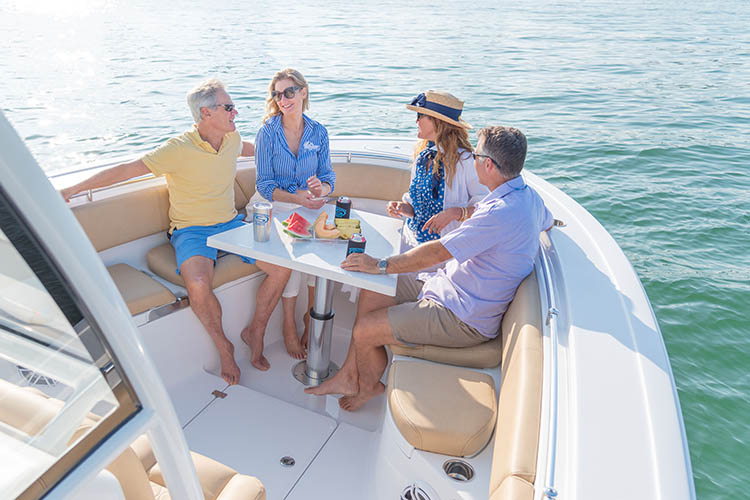
Bring along plenty of non-alcoholic options. Water, soda, juice, iced tea – there are tons of great choices that are just as refreshing. This way, everyone can stay hydrated and enjoy the day without any worries.
Familiarize yourself with local laws. A quick search online or a chat with your local marine patrol can give you the exact rules for your area. Being informed is your best defense against accidental violations.
Focus on the experience. The joy of boating isn't just about the drinks; it's about the fresh air, the stunning scenery, the company you're with, and the feeling of freedom. There are so many ways to enjoy the water that don't involve impairing your judgment.
Ultimately, the goal is to have an amazing time on the water. Boating is a fantastic way to unwind, connect with nature, and create lasting memories with friends and family. And the absolute best way to ensure those memories are good ones is to prioritize safety above all else. Think about the smiling faces of your loved ones, the serene beauty of the water, and the sheer bliss of a perfect day. That’s what it’s all about, and it’s a feeling that no alcoholic beverage can truly replicate.
So, while the romanticized image of a captain with a drink in hand might be appealing, the reality is that a sober, attentive captain is the key to a truly enjoyable and safe boating adventure. Choose to be responsible, choose to be safe, and you’ll be rewarded with endless days of sun-drenched fun and the peace of mind that comes with knowing you've done it right. Happy boating!