Can You Be A Pilot With Glasses
Ever gazed up at the endless blue and felt that undeniable tug? That whisper of adventure, that dream of soaring above the everyday? For many of us, the idea of becoming a pilot is wrapped in an almost mythical aura. We picture steely gazes, perfectly coiffed hair, and maybe, just maybe, the image of someone with eagle-like vision. But what if your vision isn't quite textbook perfect? What if you, like so many, rely on a trusty pair of glasses to navigate the world? The question then naturally arises: Can you be a pilot with glasses?
Let's settle this right now, with a refreshing dose of reality and a sprinkle of encouragement: Yes, absolutely! The days of needing perfect 20/20 vision to command an aircraft are, for the most part, a relic of the past. Aviation, much like the rest of the world, has evolved. Technology, understanding, and regulations have all caught up, making the dream of flight accessible to a far wider range of individuals. So, if your eyeglasses are a part of your signature look, or if you simply need a little optical assistance, take a deep breath and keep reading. Your wings might be closer than you think.
Decoding the Vision Standards: It's Not as Scary as it Sounds
Okay, so it's not a free-for-all, and there are indeed medical standards that pilots must meet. Aviation authorities, like the FAA in the United States or EASA in Europe, have specific vision requirements. But these requirements are designed to ensure you can safely operate an aircraft, not to disqualify the majority of the population. Think of it like a driver's license – you need to see well enough to drive safely, and the same principle applies to flying.
Must Read
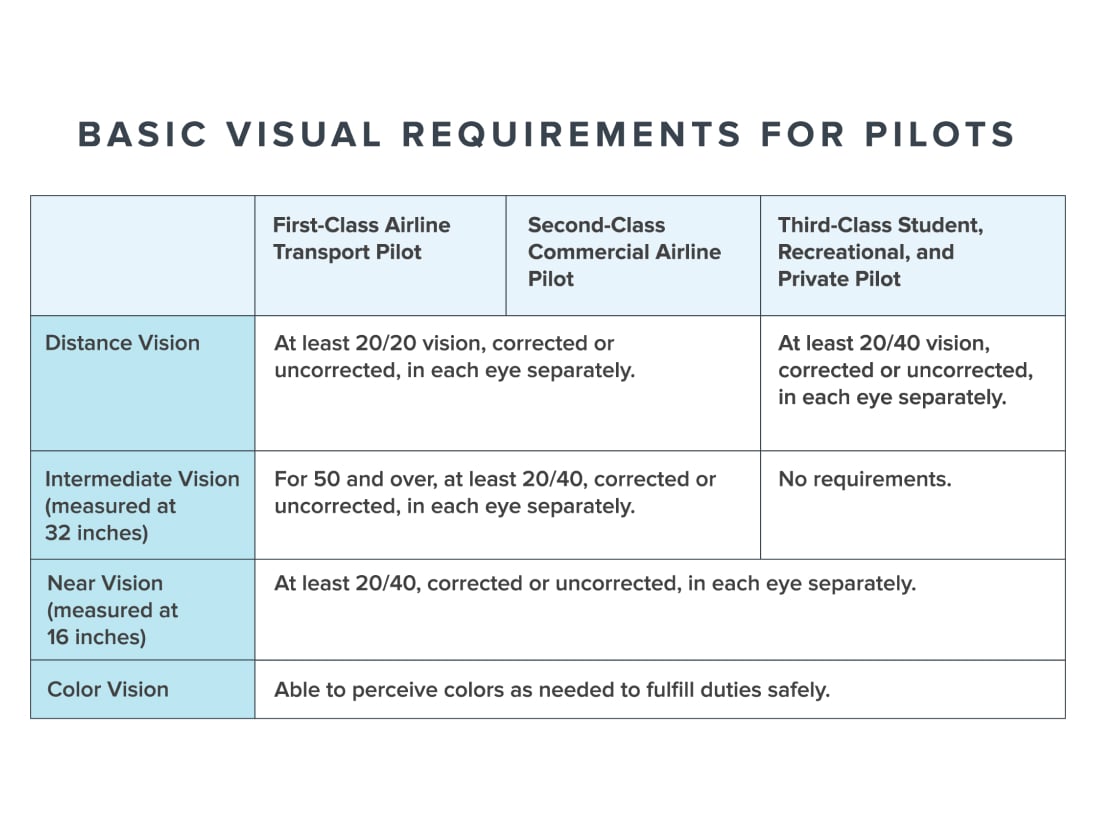
For most pilot certifications, particularly private pilot licenses, the vision requirements are surprisingly flexible. Generally, you'll need to demonstrate that your vision, with corrective lenses, is at least 20/40 in each eye. That's the ability to see at 20 feet what a person with perfect vision can see at 40 feet. Many people with mild to moderate nearsightedness or farsightedness fall within this range with their glasses or contact lenses.
And here's a cool little fact: this standard dates back decades, a testament to the fact that even with less-than-perfect vision, pilots have been safely navigating the skies for a long time. Think of the early aviation pioneers – they were pushing boundaries in every sense of the word!
What About Contact Lenses?
What if you're more of a contact lens person? The good news is that contact lenses are generally perfectly acceptable for pilots. In fact, for many, they offer a seamless and convenient way to meet vision requirements. The key is that they, just like glasses, must correct your vision to the required standard.
However, there are a few practical considerations. For those flying in very high altitudes or experiencing rapid pressure changes, some pilots find that their eyes can become dry or uncomfortable with contacts. This is something to discuss with your Aviation Medical Examiner (AME). They might recommend specific types of lenses or advise on when glasses might be a better option for certain flights.
Think of it this way: when you're heading on a long-haul flight, you might pack an extra pair of socks or a neck pillow. For pilots, having a backup pair of glasses or a few extra pairs of contact lenses is just part of the pre-flight preparation. It’s about being prepared for anything the sky – or your eyes – might throw at you.
The Medical Examination: Your Gateway to the Skies
The gatekeeper to your pilot dreams, in terms of health, is the Aviation Medical Certificate. This is issued by an Aviation Medical Examiner (AME), a doctor specifically trained to assess the health of pilots. Don't let the word "examination" make you sweat. It's a thorough but standard medical check-up designed to identify any potential issues that could compromise flight safety.
During this exam, your vision will be a key component. You'll be asked to read an eye chart, and importantly, they'll test your vision with your corrective lenses. This is where your trusty glasses or contacts come into play. If you meet the 20/40 standard with them, you're generally in good shape.
There's also a requirement for distant, intermediate, and near vision. This means they want to ensure you can see clearly at all the different distances you'll encounter in the cockpit – from spotting distant landmarks to reading your instruments and charts up close. Again, with proper correction, this is achievable for most.
A fun fact: The specific requirements for different classes of medical certificates can vary. For example, a First-Class Medical Certificate (required for airline transport pilots) is more stringent than a Third-Class Medical Certificate (typically for private pilots). But for the aspiring pilot just starting out, the requirements are more accommodating than you might imagine.
What if My Vision is Worse?
This is where things can get a little more nuanced, but even here, there's often hope. If your vision, even with glasses or contacts, doesn't meet the 20/40 standard, you might still have options. This is particularly true for non-commercial flying, like recreational flying or pursuing a private pilot license.
The FAA, for instance, has a process for granting waivers or exceptions. This usually involves a more in-depth evaluation by an ophthalmologist or optometrist who can provide a detailed report to the FAA. If they determine that your vision, while not perfect, is stable and unlikely to cause issues during flight, you might be granted a special medical certificate with a limitation allowing you to fly.

This is where the "easy-going" aspect really kicks in. It's not a hard "no." It's a "let's explore the possibilities." The aviation world understands that people are diverse, and so are their medical needs. It's about finding solutions and ensuring safety, not about creating unnecessary barriers.
Beyond the Eyes: Other Considerations
While vision is a significant part of the medical exam, it's not the only factor. Pilots need to be generally healthy. This includes aspects like:
- Color Vision: You need to be able to distinguish between different colored lights, especially those used for navigation and air traffic control. Many people who think they have color blindness can still pass the tests with specific charts and evaluations.
- Hearing: Clear communication is vital in aviation. You'll need to meet certain hearing standards.
- General Health: Conditions like heart disease, epilepsy, or severe mental health issues can be disqualifying, but again, there are often pathways for waivers or special considerations depending on the severity and stability of the condition.
The key takeaway is that the medical exam is a holistic assessment. It's not just about ticking boxes; it's about ensuring you're fit to fly. And for most people with common vision corrections, this is well within reach.
Navigating the World of Aviation: Tips for the Spectacled Pilot
So, you've confirmed you can fly with glasses. Fantastic! Now, how do you make the most of it? Here are some practical tips:
1. Get the Right Prescription:
This might seem obvious, but ensure your prescription is up-to-date and optimal for your needs. Don't fly with glasses that aren't quite right. If you’re experiencing eye strain or headaches, it's time for a visit to your optometrist.
2. Consider Lens Coatings:
Think about coatings that reduce glare. This is especially important when flying at night or when the sun is low on the horizon. Anti-reflective coatings can make a significant difference to your comfort and clarity of vision.
3. Invest in Quality Frames:
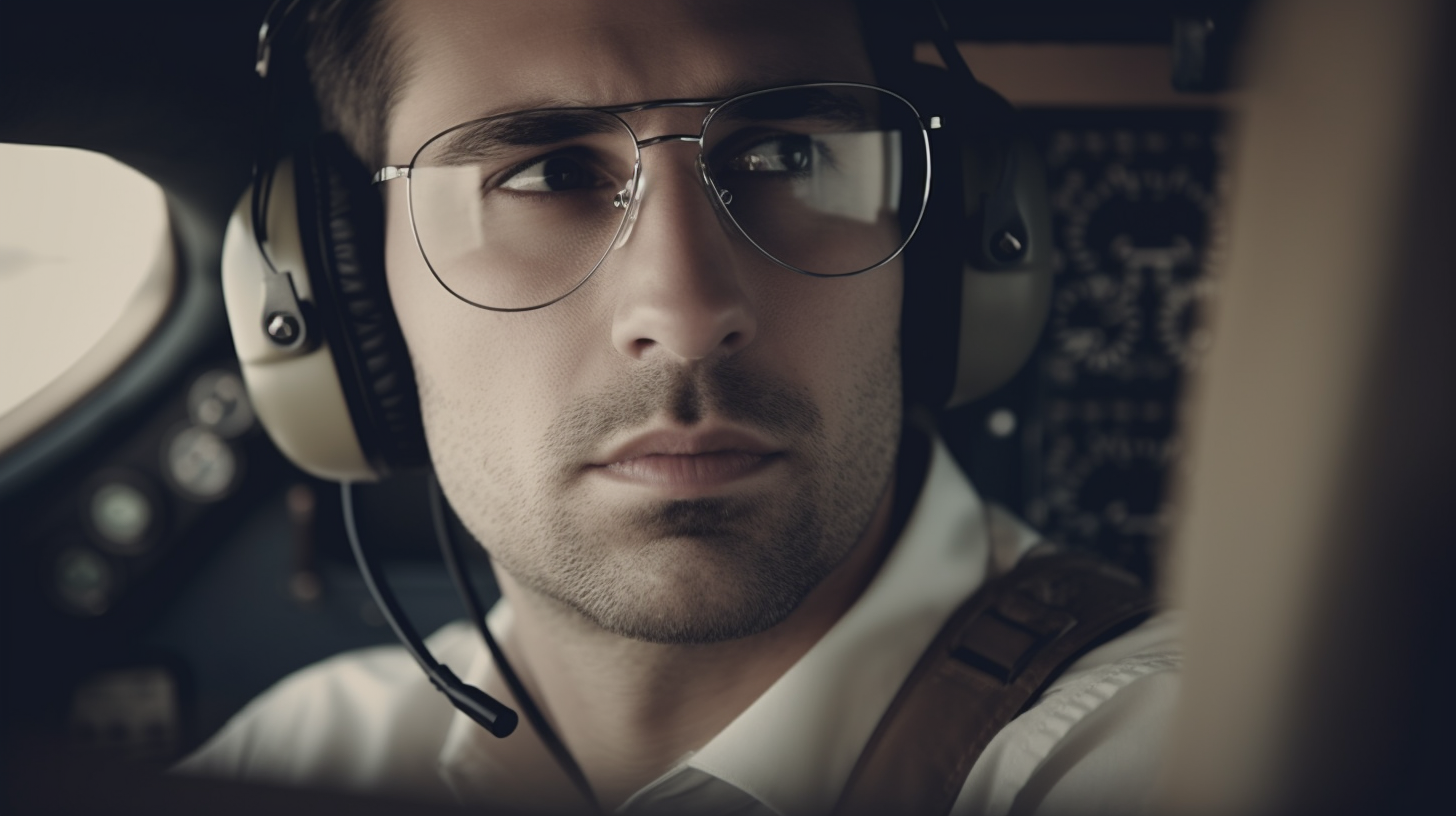
You’ll be wearing these for extended periods. Opt for comfortable, durable frames that fit well. A snug fit is important so they don’t slip when you’re looking around the cockpit.
4. Have a Backup Plan:
This is crucial. Always have a spare pair of glasses or a supply of contact lenses readily available in your flight bag. Imagine the scenario: you land, and suddenly realize you left your primary pair at home. A backup ensures your flying adventures aren't cut short.
5. Communicate with Your AME:
Be upfront and honest about your vision and any corrective measures you use. They are there to help you navigate the process and can offer specific advice based on your individual needs.
6. Stay Healthy:
Beyond just vision, maintain good overall health. A healthy lifestyle benefits your entire body, including your eyes, and can contribute to passing your medical exam with flying colors (pun intended!).
A Cultural Nod: Pilots and Their Spectacles
It’s interesting to note how glasses have been integrated into the pilot narrative throughout history. While early aviators might have been depicted without them, as aviation became more mainstream, the image of the bespectacled pilot emerged. Think of characters in classic films or even real-life aviators who sported glasses as a symbol of intellect and expertise. It adds a certain gravitas, doesn't it?
In pop culture, glasses can sometimes symbolize a more thoughtful or studious approach, which in the context of piloting, translates to meticulous preparation and attention to detail – qualities essential for any aviator. So, your glasses might just be a subtle nod to that legacy of skilled and thoughtful pilots.

The Takeaway: Your Vision is Not a Barrier, It's a Feature
The world of aviation is more inclusive than ever. The ability to fly with glasses is not an exception; it's the norm for a significant portion of pilots today. From commercial airline captains to weekend recreational flyers, your vision, when properly corrected, is perfectly capable of meeting the demands of the cockpit.
So, if that dream of taking the controls has been hovering on the horizon, don't let the thought of needing glasses ground it. Instead, see it as just another piece of equipment, much like a headset or a navigation chart, that helps you achieve your goal.
The sky doesn't discriminate based on your refractive error. It offers boundless beauty and exhilarating freedom to anyone willing to put in the effort and meet the necessary standards. Your journey to becoming a pilot with glasses is not only possible, it’s a testament to how far we've come in making the skies accessible to everyone.
A Reflection: Seeing the World Differently, Both Inside and Out
It’s a beautiful parallel, isn't it? We put on glasses to see the world around us with greater clarity and detail. And when we fly, we gain an entirely new perspective on the world below – a tapestry of landscapes, cities, and nature that humbles and inspires. Both acts involve enhancing our perception, pushing the boundaries of what we can observe and appreciate.
Just as your glasses help you see the finer details of a book or the distant horizon on a clear day, your training as a pilot will hone your ability to perceive and interpret the complex environment of the sky. You’ll learn to notice subtle shifts in weather, the precise movements of other aircraft, and the breathtaking beauty of a sunrise from above the clouds. Your vision, whether aided or not, is a tool for experiencing the world, and in aviation, it becomes a tool for mastering it.
So, the next time you put on your glasses, remember that they are not a limitation, but a gateway. A gateway to sharper vision, and for many, a gateway to the incredible, awe-inspiring world of flight. The sky is waiting. Go explore it.