Can Two Honeycrisp Trees Pollinate Each Other

Imagine a world where apples just... appeared. No fuss, no muss, just a perfectly crisp Honeycrisp in your hand. Sounds magical, right? But even the most delightful things in nature have a bit of a secret handshake.
Those glorious, juicy Honeycrisp apples we all adore don't just decide to grow all by themselves. They need a little help from their friends, specifically, other apple trees. It’s like a tiny, leafy dance party happening right in your backyard.
So, the big question on everyone's mind, especially if you've just planted a couple of these beauties: Can two Honeycrisp trees be each other’s perfect dance partner? Can they, in the wonderful language of the orchard, pollinate each other?
Must Read
The Secret Life of Apple Blossoms
Let’s pull back the curtain on those pretty pink and white apple blossoms. They're not just for show, oh no. They're the love letters of the apple world, carrying the promise of future fruit.
Each blossom has both the "boy parts" (stamens) and the "girl parts" (pistil). So, in theory, it seems like they should be able to handle their own business, right? Like a self-sufficient superhero of the fruit world.
But here’s where it gets interesting, and a little bit funny. While a Honeycrisp blossom has all the necessary equipment, it’s a bit picky. It’s like that friend who could cook a gourmet meal but would rather order takeout.
Honeycrisp trees are what we call "self-incompatible." Don't let the fancy name scare you! It simply means that the pollen from one Honeycrisp flower has a hard time, or sometimes a downright refusal, to fertilize another Honeycrisp flower on the same tree or even a different Honeycrisp tree.

It's like they're saying, "Nah, I need someone a little different to get things really cooking!"
So, if you have two Honeycrisp trees standing side-by-side, thinking they’re going to be best apple buds and produce fruit together, there’s a strong chance they’ll be giving each other a polite, flowery shrug.
The Need for a Different Kind of Date
This is where the matchmaking begins! For a Honeycrisp tree to produce those delightful apples, it needs pollen from a different variety of apple tree. Think of it as needing a blind date arranged by a mutual friend.
The pollen has to travel from one tree to another, usually by the busy bee brigade or other helpful insects. These little workers are the original dating app of the orchard, buzzing from bloom to bloom with vital cargo.
So, while two Honeycrisp trees can certainly bloom at the same time and look like the perfect pair, their pollen just doesn't quite "get" each other in the way needed for pollination. It’s a bit like a conversation where both people are speaking the same language but aren’t really connecting.
Who's the Perfect Pollination Partner?
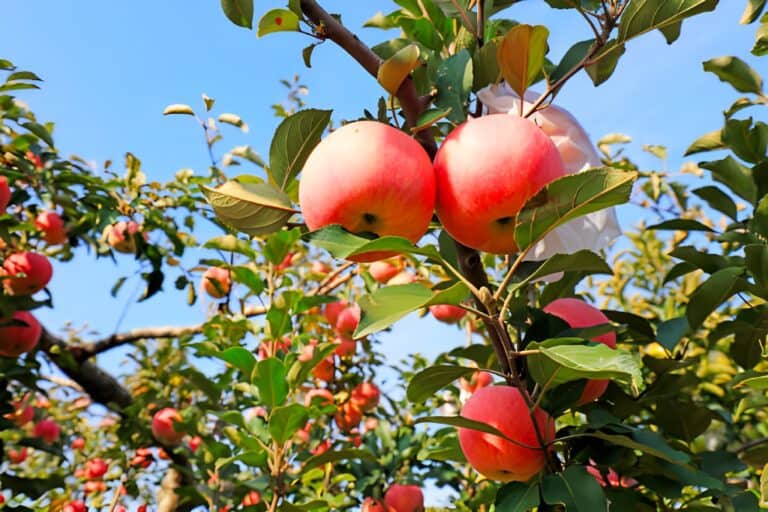
This is where the fun really begins! If you have a Honeycrisp tree, you’ll want to introduce it to some other apple varieties that bloom around the same time. These are its pollination partners.
Good news! Many popular apple varieties are excellent choices. Think of trees like McIntosh, Fuji, Gala, or even an old reliable like Granny Smith. These are the apple trees that Honeycrisp can actually get along with, romantically speaking.
The key is that their bloom times need to overlap. If one tree is flowering its little heart out while the other is already dropping its petals, no pollination magic will happen. It’s all about timing, just like in life!
The Heartwarming Tale of the Bees
And who are the unsung heroes in this entire pollination drama? You guessed it: the bees! They are the tireless matchmakers, the busy couriers, the ultimate wingmen of the orchard.
When a bee visits a flower, it picks up pollen on its fuzzy little body. Then, off it buzzes to the next flower, whether it’s on the same tree or a different one. If it lands on a compatible apple tree flower, some of that pollen might transfer.
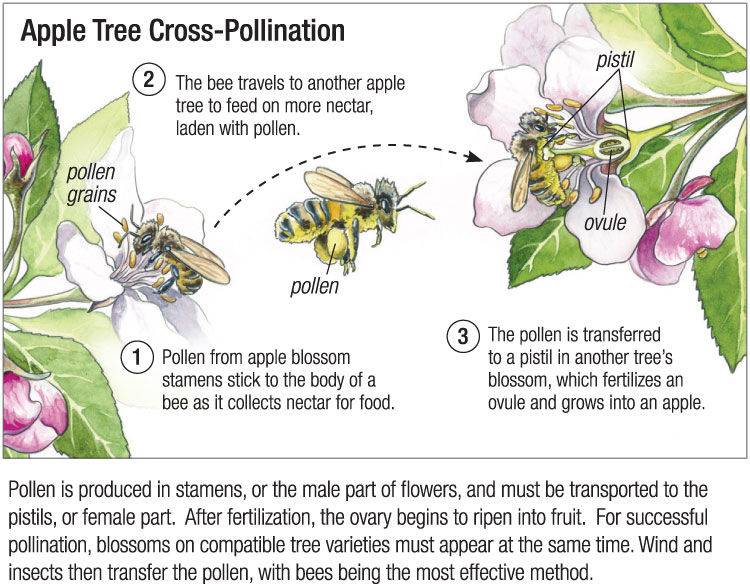
This pollen then works its way down to the ovary of the flower, and voilà! A tiny apple begins to form. It’s a beautiful, natural process that relies on the cooperation of nature’s smallest workers.
So, the next time you see a bee buzzing around your apple blossoms, give it a little nod of appreciation. It’s doing the hard work of ensuring you get those delicious Honeycrisp apples.
A Little Orchard Wisdom
If you’re dreaming of a backyard filled with your own homegrown Honeycrisp apples, here’s the takeaway: plant at least one other apple tree variety that blooms at the same time.
Don’t stress too much about the exact compatibility charts. Most common apple varieties that bloom concurrently will do the trick. It’s like picking a neighbor – usually, most people get along well enough!
And if you happen to have two Honeycrisp trees already planted, don’t despair! You can still enjoy their beautiful blossoms. You might just need to add a new friend to the apple family to get the fruit production rolling.
The Joy of a Honeycrisp Harvest
The thought of two Honeycrisp trees pollinating each other might seem like a simple yes or no question, but the answer is a delightful "it's complicated!" And that's what makes it so interesting.
Nature has its own intricate dance, and the Honeycrisp's self-incompatibility is just one of its charming quirks. It reminds us that sometimes, the best things happen when we have a little help from our friends, even if those friends are different varieties of apple trees.
So, the next time you bite into a crisp, sweet Honeycrisp apple, take a moment to appreciate the journey it took to get to your plate. It’s a story of blossoms, bees, and the wonderful, sometimes surprising, ways nature connects.
It’s a reminder that even the most independent-seeming fruit relies on a community. And that, in itself, is a pretty sweet deal.