Can They Track Your Location On Airplane Mode
Ever found yourself gazing out the airplane window, wondering if that little airplane icon on your phone screen is truly your digital shield from the outside world? It's a question that pops into many minds during those moments of airborne quiet, a blend of curiosity and a touch of paranoia. After all, we live in a world where our devices seem to know everything about us. So, can they really track your location when your phone is supposedly off the grid in airplane mode? Let's dive in and explore this fascinating aspect of our modern tech lives.
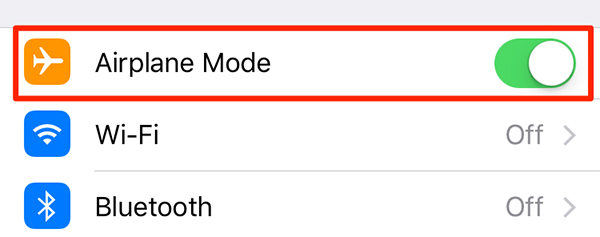
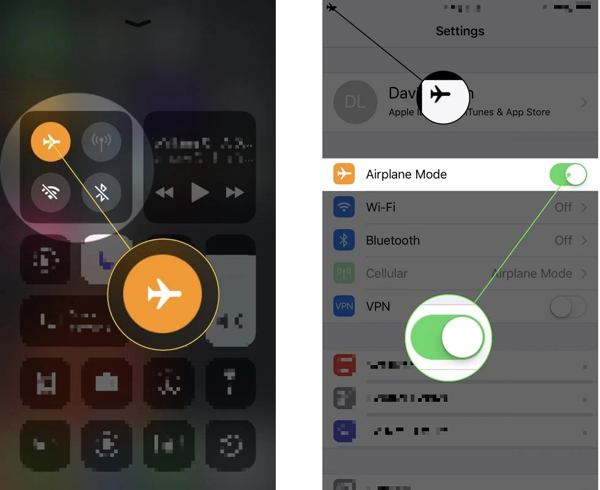
The primary purpose of airplane mode is quite straightforward: to disable wireless communication functions that could potentially interfere with the aircraft's navigation and communication systems. This includes cellular data, Wi-Fi, and Bluetooth. By switching these off, you're essentially telling your phone to stop actively searching for or transmitting signals. This is crucial for passenger safety and the smooth operation of flights. Think of it as a digital time-out for your phone, allowing you to disconnect and enjoy the journey without contributing to potential electronic interference.
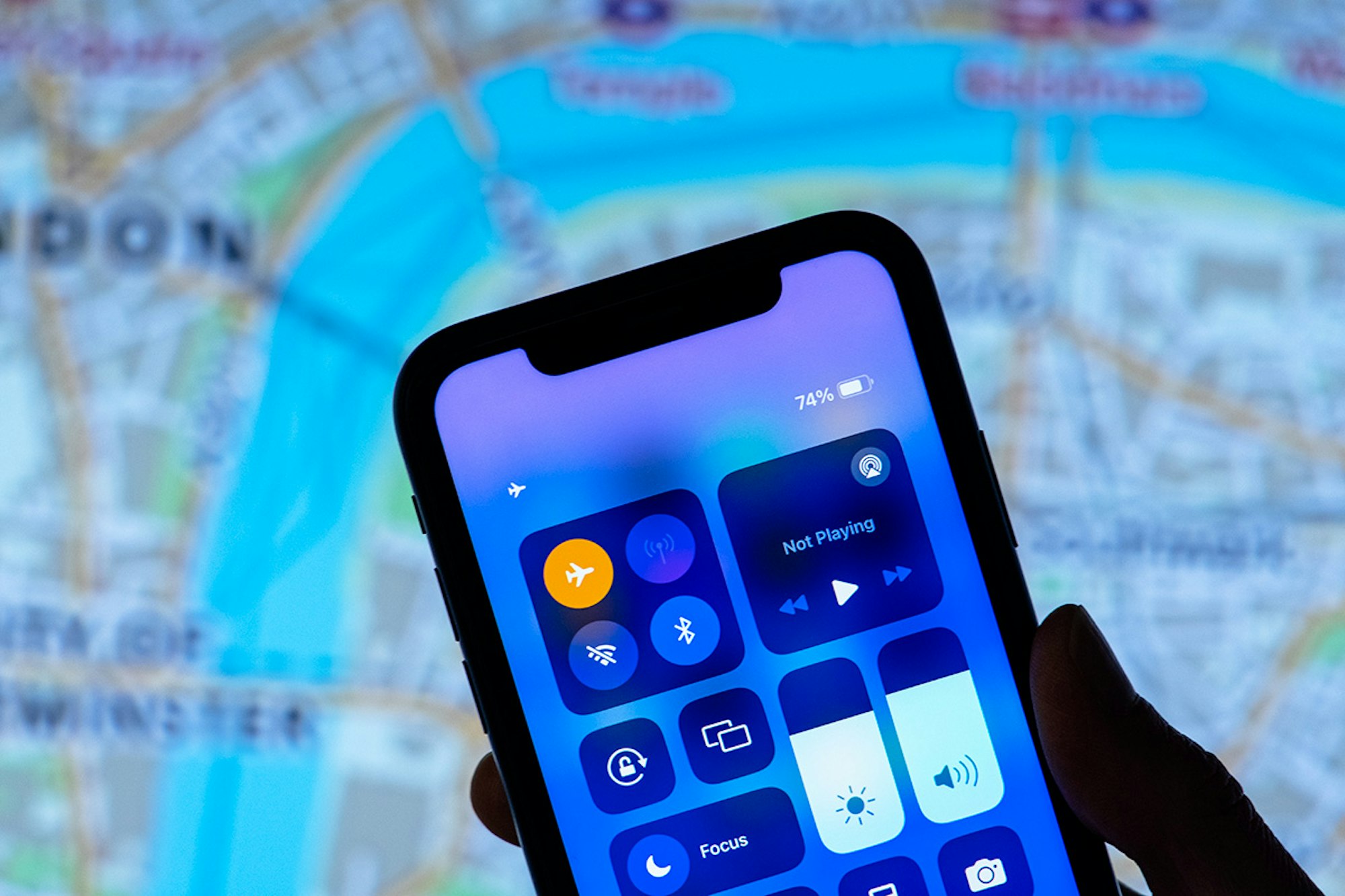
So, does this digital time-out extend to your location? The answer is a little nuanced, and that's where the curiosity truly kicks in! When airplane mode is activated, your phone's GPS receiver, which is responsible for determining your location, is generally not turned off. This is a key point. GPS works by receiving signals from satellites, not by transmitting your data. So, in theory, your phone is still capable of knowing where it is, even if it can't share that information widely.
Must Read
Now, the crucial distinction is between a device knowing its location and a device reporting its location. While your phone might still be picking up GPS signals, airplane mode prevents it from sending that location data to cellular towers, Wi-Fi networks, or the internet. Your apps won't be able to update your real-time location on a map, and services that rely on constant location updates will likely cease to function. However, some onboard systems might have their own ways of interacting with devices, though this is far from common tracking.
Think about how this applies in everyday life. Imagine you're exploring a new city and want to use a downloaded map that doesn't require internet. Your GPS would still be active even if you had your cellular data off to save on roaming charges. Similarly, some fitness apps might continue to track your run using GPS even when you're not connected to a network. It's about the independent function of the GPS hardware.
![[Answered] Can You Track an iPhone on Airplane Mode?](https://images.wootechy.com/article/can-you-track-an-iphone-on-airplane-mode.png)
For those who love to tinker, there are simple ways to explore this. You can download an offline GPS status app before your flight. Once in airplane mode, open the app. You might be surprised to see your phone still reporting its latitude and longitude, demonstrating that the GPS receiver is indeed active. This can be a fun educational experiment, showing how different components of your device operate independently. It’s a great way to demystify the technology we use every day!
In conclusion, while airplane mode effectively severs your phone's connection to external networks and prevents real-time location sharing, the GPS receiver itself often remains operational. It’s a clever piece of engineering that balances safety with the continued functionality of certain device capabilities. So, rest assured, your phone isn't broadcasting your location to the masses while you're enjoying your flight. The airplane icon is your digital peace of mind in the skies.
![Does Airplane Mode Turn Off Location Tracking [Answer & Tips]](https://www.awztool.com/wp-content/uploads/does-aiplane-mode-turn-off-location-tracking-1024x637.png)