
Can I Top Up Coolant With Water

So, you’re cruising along, feeling all sorts of road-trip fabulous, and then… the dreaded temperature gauge starts doing its dramatic dance. Red zone, anyone? Panic might be setting in. And then you remember the coolant. But wait, what if you’re out of the fancy green or pink stuff? Can you just… top it up with water?
This is where things get interesting! It’s like a little engine mystery. A coolant conundrum! And honestly, who doesn’t love a good mystery? Especially one that involves your trusty steed, your car!
The Water Question: A Tale as Old as Time (or at Least, as Old as Cars)
Okay, let’s get straight to it. The short, punchy answer? Sometimes. But there's a whole heap of "ifs" and "buts" and "oh-dear-don'ts" attached to that. Think of it like a secret recipe. You can’t just swap out key ingredients willy-nilly and expect the same delicious result, right?
Must Read
Water is, well, water. It’s readily available. It’s cheap. It feels like the most obvious solution when your engine is looking a bit parched. And for a super short-term fix, in a pinch, it might just save your bacon. But is it a long-term relationship kind of solution? Probably not.
Why is Coolant Even a Thing?
So, what's the deal with coolant anyway? Why can't we just use good ol' H2O all the time? It turns out, coolant is a bit of a superhero. It's not just about keeping your engine cool. Oh no, it does so much more!
For starters, coolant has some seriously impressive properties. It has a much higher boiling point than plain water. This is crucial because your engine gets hotter than a dragon’s breath on a summer day. If you just used water, it could boil over faster than a kettle on high heat, leading to… well, more problems.
And then there’s the freezing. Ever thought about what happens to water in a super cold engine? It freezes. And when water freezes, it expands. Think ice cubes in a freezer. You’ve seen what happens to those plastic containers, right? Imagine that happening inside your engine block. Not pretty. Coolant, on the other hand, has anti-freeze properties, keeping things fluid even in the chilliest weather.
The Rust Rumble and the Corrosion Calamity
But wait, there’s more! Your engine is a complex metal beast. And metal, left to its own devices, can rust. That’s where coolant’s other superpower comes in: corrosion inhibitors. These clever little additives create a protective barrier, preventing rust and other nasty corrosion from forming inside your engine. Water, bless its simple heart, does none of this.
Using just water can lead to rust particles floating around your engine. These particles can clog up crucial passages, leading to overheating and, you guessed it, more expensive repairs. It’s like throwing sand into a delicate clockwork mechanism. Not ideal.
So, When Can Water Actually Help? (The Short-Term, Emergency Edition)
Okay, let’s talk about those desperate moments. Stranded on the side of a highway with the sun beating down, and your temperature gauge is screaming for help. If you have absolutely nothing else, and I mean nothing, adding some water might be your only option to limp to the nearest service station.
But here’s the golden rule: only if your engine is cool. Never, ever, EVER add cold water to a hot engine. That’s a recipe for a cracked engine block, and trust me, that’s way more expensive than a tow truck. Let it cool down completely. Patience is a virtue, especially with hot metal.
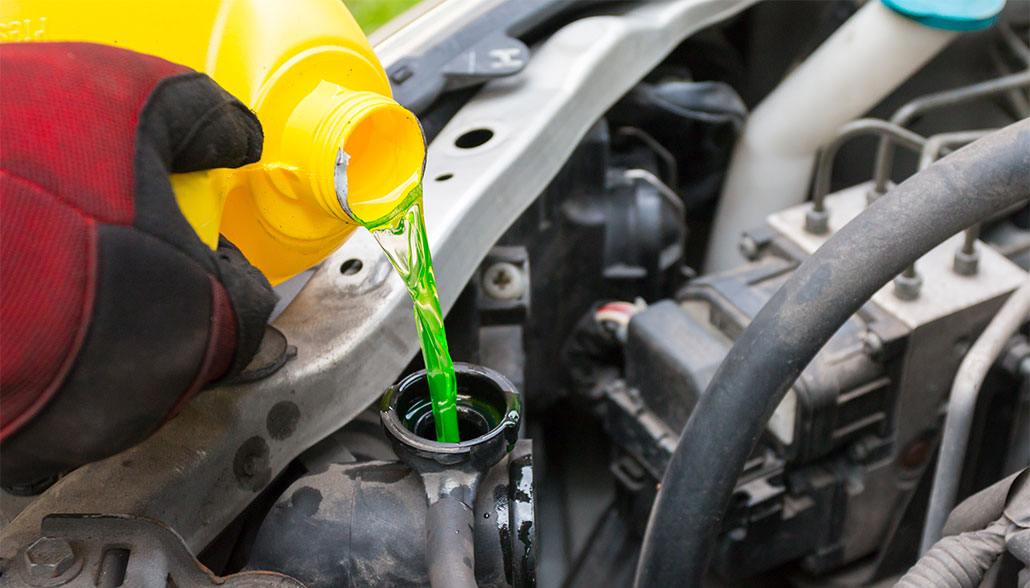
And when you do add water, only use distilled water if possible. Tap water has minerals that can cause deposits and further corrosion. It’s like the difference between a gourmet meal and instant noodles. Both fill you up, but one is definitely better for your long-term health (and your car’s!).
The "Not-So-Fun" Consequences of Using Only Water
Let’s be real. The fun stops here if you make a habit of using just water. Here’s the not-so-glamorous side:
- Overheating: Water boils at a lower temperature. Your engine will get too hot. Big trouble.
- Freezing: In cold weather, water turns to ice. Your engine parts could crack. Even bigger trouble.
- Corrosion: Rust city! Your engine will start to decay from the inside out. Expensive trouble.
- Clogged System: Rust bits and mineral deposits can block coolant passages. Frustrating trouble.
See? It’s a whole cascade of potential disasters. It’s the automotive equivalent of skipping your daily vitamins. You might be fine for a while, but eventually, something’s going to give.
The Coolant Mix: A Perfect Harmony
The magic of proper coolant is that it’s usually a pre-mixed solution of antifreeze and distilled water. Or, you can buy concentrated antifreeze and mix it yourself with distilled water. The ideal ratio is typically 50/50. This gives you the best balance of boiling and freezing protection, along with all those crucial corrosion inhibitors.

Think of it as a carefully crafted potion. Each ingredient plays its part. You wouldn’t add extra sugar to a delicate cake batter and expect it to turn out perfectly, would you? Same with your coolant.
Quirky Fact Time!
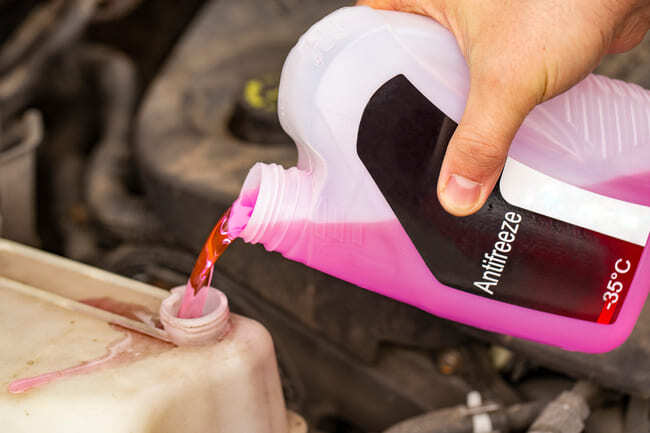
Did you know that different colors of coolant aren't just for show? They often indicate different types of antifreeze chemistry. So, that bright pink stuff isn’t just pretty; it’s likely a different formulation than the traditional green. Mixing different types can cause problems, like gelling or reducing the effectiveness of the inhibitors. So, it’s best to stick with what your car manufacturer recommends!
It’s like a secret handshake for your engine! You need to know the right one.
When to Top Up: The Art of the Small Addition
So, you’ve checked your coolant level. It’s a little low. What’s the best course of action? If you’re not experiencing any overheating or other issues, and you just need a top-up, it's always best to use the correct type of coolant for your vehicle. Check your owner’s manual! It’s your car’s best friend, filled with all sorts of important secrets.
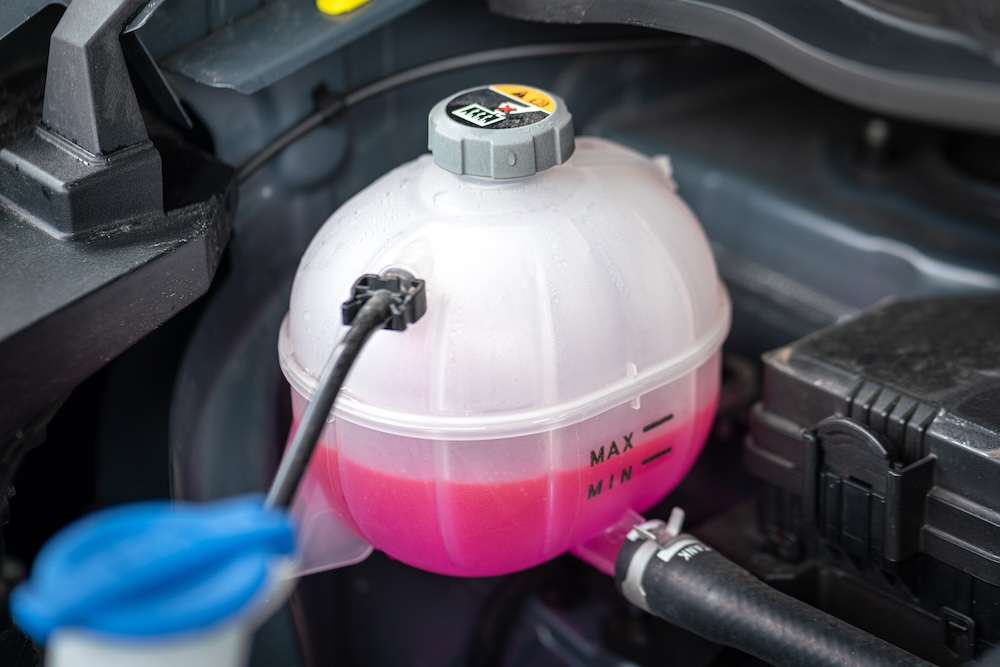
If you can’t find the exact same coolant, a universal coolant might be an option, but always, always check compatibility. And if you’re in a real bind and need to add a little water, remember: distilled water only, and only when the engine is cool. And then, get the correct coolant in there as soon as humanly possible.
It’s like a temporary bandage versus proper stitches. One will get you through a tough spot, but the other is the real, long-term fix.
The Takeaway: Be Kind to Your Engine!
Ultimately, your car’s cooling system is pretty important. It’s not just there to make your heater work on a chilly day (though that’s a nice bonus!). It’s vital for the life and health of your engine. So, while the idea of topping up with water might seem like a clever shortcut, it’s usually a path that leads to more expensive headaches down the road.
Keep an eye on that temperature gauge. Listen to your car. And when in doubt, always opt for the proper coolant. It’s a small investment that pays off big time in keeping your automotive adventures smooth sailing. Happy driving, and may your engine stay perfectly cool (and never, ever boil over)!

