Can I Put Olive Oil In My Ear
Hey there, ear adventurer! So, you're staring at that fancy bottle of olive oil in your kitchen, maybe you've got a little tickle in your ear, or perhaps you've heard whispers of this old-school remedy. And the question pops into your head: "Can I, in fact, go all culinary with my ear canal and pour in some liquid gold?"
It's a classic question, isn't it? Like wondering if you can use ketchup as hair dye (spoiler: please don't). We've all got those little nagging curiosities, and this one is definitely up there. So, let's dive in, shall we? Grab a cuppa, settle in, and let's have a friendly chat about olive oil and your ears.
The Great Olive Oil Ear Question: Let's Get Down to Brass Tacks
Alright, first things first. Is it safe? Is it a good idea? Or is it just a recipe for a greasy ear and a confused doctor? The short answer, my friend, is a bit of a mixed bag, with a leaning towards "proceed with caution" or, better yet, "ask a pro first."
Must Read
You see, the idea of putting olive oil in your ear isn't completely out of left field. It’s an age-old home remedy, and like many home remedies, it has some roots in why people thought it was a good idea. Think of your grandma, bless her heart, with her trusty bottle of something for everything. Olive oil was often one of those somethings.
So, why olive oil? Well, it’s a lubricant, right? It’s slippery. And sometimes, the reason our ears feel a bit off is due to earwax buildup. Imagine a tiny little traffic jam in your ear canal, and the wax is the stubborn car that refuses to move. Olive oil, being slick and smooth, can act like a tiny tow truck.
The theory is that by gently warming a small amount of olive oil and letting a few drops trickle into your ear, it can help to soften hardened earwax. Once softened, this wax can then (hopefully!) make its way out on its own, or be easier to remove during a professional cleaning.
When Might Olive Oil Actually Be Your Ear's Friend?
Let's talk about the scenarios where this Mediterranean marvel might be considered. The primary culprit is usually a case of stubborn, dry, impacted earwax. You know, the kind that feels like a tiny, uninvited cork in your ear, muffling sounds and making you want to stick anything and everything (that you shouldn't) in there.

When earwax gets too dry and hard, it can become really difficult for your ear to naturally expel it. Our ears are pretty amazing self-cleaning machines, by the way! They produce wax that traps dust and debris, and then this waxy goodness is supposed to slowly migrate out. But sometimes, this process goes a bit wonky.
In these specific cases, a doctor might recommend an earwax softening agent, and olive oil is sometimes on that list. They might even use it themselves during an ear cleaning procedure. It's a gentle way to loosen things up without being too harsh.
So, if you're experiencing a feeling of fullness, slight hearing loss, or even a bit of discomfort that you suspect is due to simple earwax buildup, and you've already chatted with your doctor, olive oil could be a part of the solution. But and this is a big ol' but, it’s crucial to get the green light from a medical professional first.
A Word of Caution: The "Buts" and "Don'ts" of Oiling Your Ear
Now, before you go chugging olive oil like it’s a health elixir and then diving headfirst into your ear with the bottle, let’s pump the brakes. This is where things can get a little… sticky. And not in a good, toffee-related way.
The biggest no-no? If you have any kind of ear infection, a perforated eardrum (that's a hole in your eardrum, and trust me, you don't want to mess with that!), or if you have ear tubes. Putting anything liquid into an ear with these conditions can cause serious problems, including making the infection worse or leading to more pain and damage. So, if you have any suspicion of an infection – redness, pain, discharge, fever – forget the olive oil and book it to the doctor’s office. Pronto!
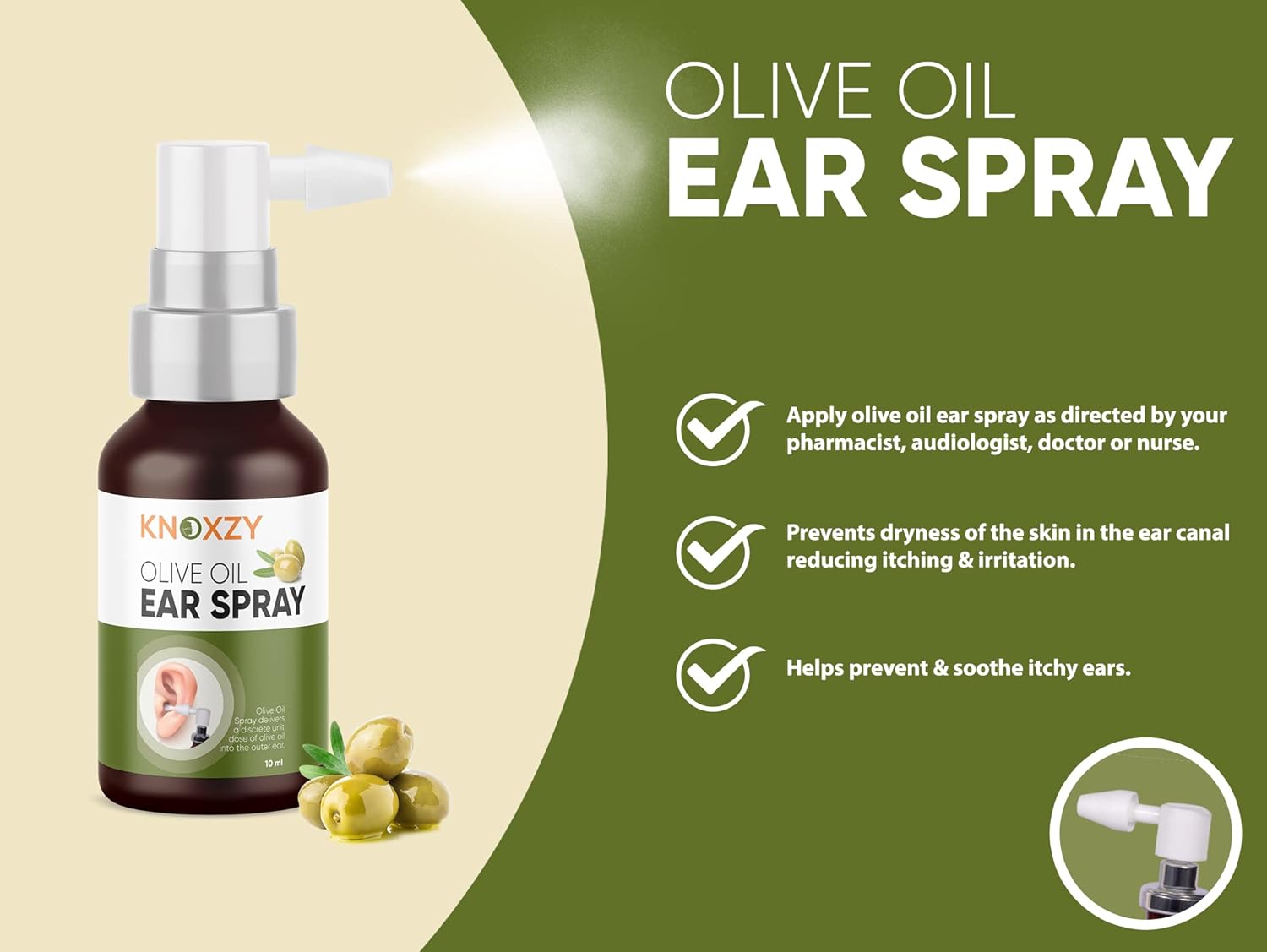
Also, never try to use olive oil to remove something stuck in your ear. That's a job for a professional. Imagine trying to get a rogue popcorn kernel out with a slippery olive oil-assisted Q-tip. It’s a recipe for disaster, potentially pushing it further in or damaging your ear canal. Leave the foreign object extraction to the experts, please!
And speaking of Q-tips… another massive no-no. Resist the urge. Q-tips, and anything else you might be tempted to insert into your ear, tend to push earwax further in, rather than removing it. It's like trying to clean a narrow vase with a fat brush; you just end up compacting the mess. So, hands off your ear canal with pointy objects!
The olive oil itself needs to be warmed gently. We’re talking lukewarm, like a cozy bath for your ear, not hot enough to cook a tiny ear-sized omelet. Too hot, and you could burn yourself. Too cold, and it might be unpleasant. So, test it on your wrist first, like you would a baby’s bottle.
And how much? We’re talking a few drops, not a deluge. You don’t want to flood your ear canal. A little goes a long way when you’re dealing with delicate inner workings.
Finally, the frequency. This isn't an everyday spa treatment for your ears. If you do use it, it's typically for a short course, usually a few days, under the guidance of a healthcare provider. Overdoing it can actually lead to more problems, like fungal infections or irritation.

How to "Olive Oil" Your Ear (Safely, of Course!)
Okay, so you've spoken to your doctor, you've got the all-clear, and you're ready to give this a gentle, cautious try. Here's the breakdown of how to do it without turning your ear into a miniature olive grove:
- Gather Your Supplies: You'll need a clean dropper bottle (a pharmacy-bought one is ideal), a small amount of extra virgin olive oil (the fancier, the better, I guess?), and a tissue or cotton ball.
- Warm the Oil: Place the olive oil in a small, clean container and set it in a bowl of warm water (not hot!). Let it sit for a few minutes until it’s comfortably warm to the touch. You can also do this by holding the dropper bottle in your cupped hands for a minute. Always test the temperature on your wrist before using it in your ear.
- Get Comfy: Lie down on your side, with the affected ear facing upwards. You might want to place a tissue or towel under your head to catch any drips.
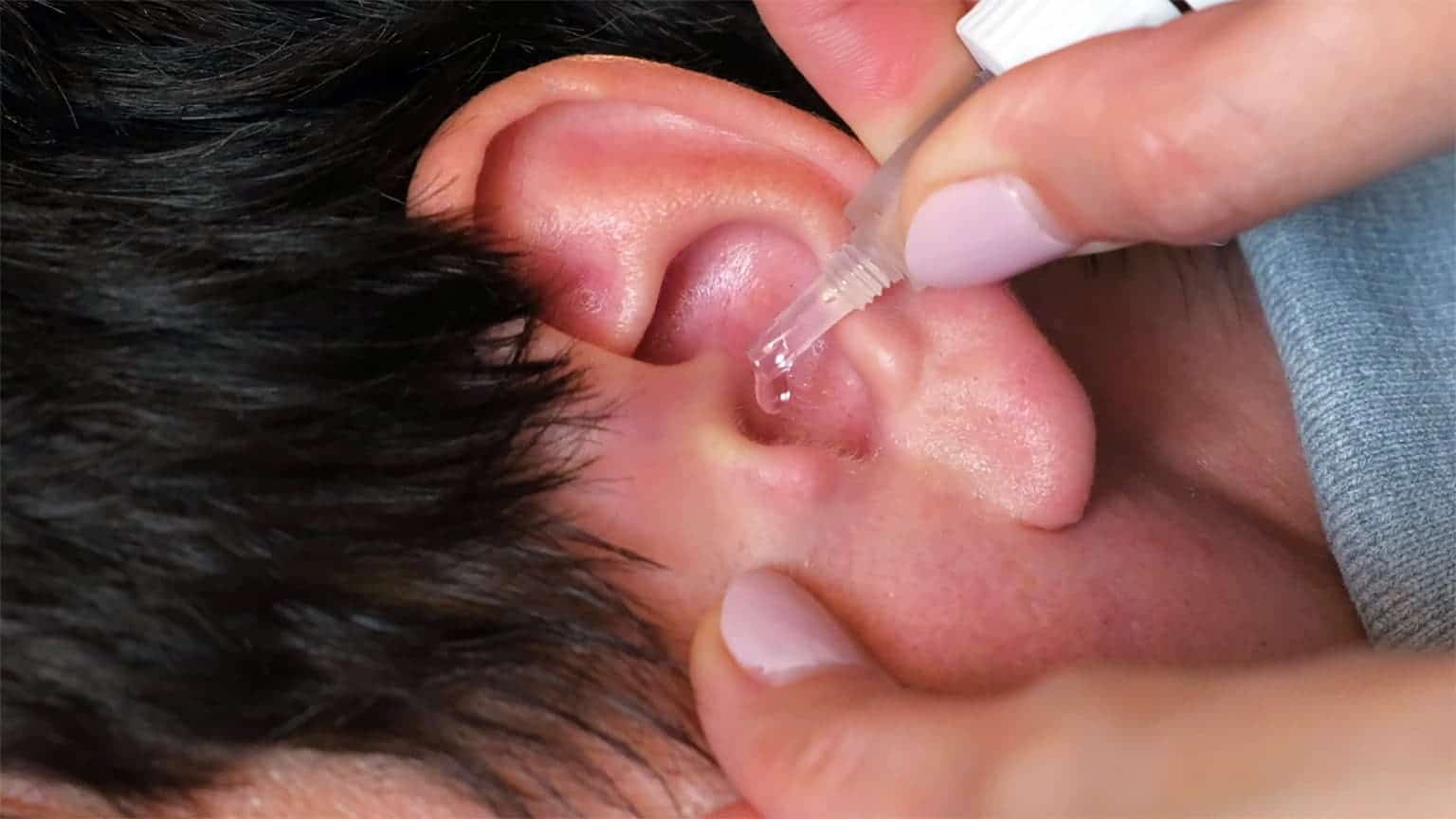
- Administer the Drops: Gently pull your earlobe upwards and backwards to help straighten the ear canal. Carefully squeeze 2-4 drops of the warmed olive oil into your ear canal using the dropper. Try not to let the dropper touch your ear.
- Relax and Wait: Stay in this position for about 5-10 minutes. You can gently massage the area just in front of your ear to help the oil spread. Read a book, listen to a podcast, or just enjoy the quiet.
- Drain and Clean: Gently tilt your head to let any excess oil and loosened wax drain out onto the tissue. You can then clean the outer part of your ear with a dry tissue. Do NOT use a Q-tip to try and clean the inside!
- Repeat (If Advised): Your doctor might recommend doing this once or twice a day for a few days. Pay attention to how your ear feels.
Remember, the goal here is to soften the wax, not to force it out or to create a slippery slide for your earwax. Patience is key!
What If It Doesn't Work? Or Makes Things Worse?
Sometimes, home remedies are great. Other times, they’re… well, they’re not. If you’ve tried the olive oil treatment (after consulting your doctor, of course!) and you’re still experiencing symptoms, or if your symptoms worsen, it’s time to call in the cavalry. That means a trip back to your doctor or an audiologist.
There could be other reasons for your ear discomfort or hearing issues that olive oil simply won’t address. Things like excessive wax buildup that needs professional removal, earwax impaction that’s too severe for home treatment, or even something entirely different like fluid buildup, infections, or even just a buildup of different gunk. Our ears are complex, and sometimes they need expert hands.
A doctor has tools and techniques to safely remove earwax, such as irrigation, suction, or manual removal with specialized instruments. They can also diagnose and treat any underlying ear conditions. So, don’t hesitate to seek professional help if your home remedy isn’t cutting it, or if you’re worried about your ear health.
Think of it this way: if your car makes a funny noise, you might try topping up the oil yourself, but if it keeps sputtering, you take it to the mechanic, right? Your ears deserve that same level of care and attention.
The Uplifting Conclusion: Your Ears Deserve the Best!
So, can you put olive oil in your ear? The answer, as we've discovered, is a qualified "yes, but only under specific circumstances and with professional guidance." It's not a magic bullet for all ear woes, and it certainly isn't a free-for-all for your ear canal.
But here's the really wonderful part: our ears are these incredible, intricate marvels that allow us to experience the world through sound. They let us hear the laughter of loved ones, the melody of our favorite song, the gentle rustle of leaves, and the comforting patter of rain. They are truly precious.
When we experience ear discomfort or hearing issues, it can feel frustrating, isolating, and even a little scary. But remember, there are solutions, and there are people who are dedicated to helping you hear the world as clearly and joyfully as possible. Whether it's a gentle home remedy like a few drops of olive oil (when appropriate!) or a visit to a skilled healthcare professional, taking care of your ears is an act of self-love.
So, go forth, my friend, with your ears tuned to wonder and your approach to ear care guided by wisdom and, when in doubt, professional advice. Your ears will thank you, and the world will sound even more beautiful because of it. Keep listening, keep smiling, and keep those ears happy!