Can I Put A Caravan On My Land
So, the dream has hit you, hasn't it? That glorious vision of a twinkling fairy light-strung caravan, parked neatly in your very own patch of green. Maybe it's for the ultimate glamping getaway without the trek to a campsite, or perhaps you're eyeing it as a quirky guest house, a teenage den, or even a surprisingly chic home office. Whatever the sparkling motivation, the big question looms: “Can I actually put a caravan on my land?” It’s a question that can feel as complicated as assembling IKEA furniture blindfolded, but fear not, dear reader. We’re going to unravel this kerfuffle together, with a cuppa and a good dose of common sense.
Let’s face it, the idea of a caravan conjures up all sorts of images. For some, it's the smell of damp sleeping bags and questionable roadside diners. For others, it's the freedom of the open road, the wind in your hair, and a suspiciously small but perfectly formed kitchen. Whatever your caravan-shaped fantasy, bringing it to life on your own land requires a little more than just pointing and saying, “There you go, fella.”
Think of it like this: you wouldn’t just plonk a trampoline in the middle of your neighbour's prize-winning rose garden, would you? There are rules, understandings, and generally a bit of unspoken etiquette involved. And so it is with caravans and land. It’s not a free-for-all, unfortunately. While the thought of a mobile home parked serenely under the apple trees is delightfully rustic, there are several important boxes you need to tick before you start dreaming of al fresco dining on your caravan steps.
Must Read
The Big Bosses: Planning Permission and Regulations
Alright, let’s get down to the nitty-gritty. The first, and arguably the most crucial hurdle, is understanding local planning regulations. This isn't some vague suggestion; it's the law. Your local council is the gatekeeper here, and they have a say in what you can and can't do with your land, especially when it involves anything that could be considered a dwelling or a significant structure.
Why all the fuss, you ask? Well, councils have to consider a whole heap of things: the impact on neighbours (imagine their perfectly manicured lawn now being overshadowed by your vintage Airstream – awkward!), the potential strain on local infrastructure (like drainage and sewage), and the general aesthetic of the area. They want to keep things tidy and harmonious, like a well-behaved village fête.
Now, putting a caravan on your land can fall into a few different categories. Is it for temporary storage? Is it for occasional use, like a holiday bolt-hole? Or are you planning to make it a more permanent fixture, perhaps for an elderly relative or as a rental income? Each of these scenarios can have different rules attached.
Temporary Storage vs. Permanent Residence
If you’re just looking to park your beloved caravan when it’s not out exploring the countryside, like a trusty steed resting in its stable, then it's usually less of a headache. Think of it as parking your car in your driveway. Most councils are perfectly fine with you storing a caravan on your private land, as long as it's not causing an obstruction or becoming a bit of an eyesore. You might want to check if there are any specific rules about where it can be placed on your property – perhaps not right on the front boundary where it might upset the neighbours’ feng shui.

However, if you’re thinking of it as a more permanent dwelling, even for a few months of the year, then you’re stepping into a different ballgame. This is where the word “caravan” can get a bit tricky. If it's being used as a main residence, or even a secondary one for extended periods, the council will likely treat it more like a dwelling. And that, my friends, means you’ll probably need planning permission. It’s like trying to sneak an extra slice of cake when you’re already full – you might get away with it once, but eventually, someone notices.
The process for obtaining planning permission can be, shall we say, an adventure. It involves forms, drawings, potentially consultation with neighbours, and a waiting game that can feel as long as a never-ending road trip. But if your heart is set on that caravan becoming a more permanent feature, it’s a journey you might have to undertake.
Caravans as Granny Annexes and Beyond
Ah, the charming idea of a granny annexe! Or a student pad! Or a glamping business! These are all very popular reasons for wanting a caravan on your land. And the good news is, it’s often entirely possible, but again, it hinges on those pesky planning rules. If you’re building an annex for a family member, for example, there might be specific provisions or exemptions, but you’ll still need to engage with the council. They’ll want to know it’s a genuine family arrangement and not just a cunning ploy to create a rental property without the full planning hassle.
For those dreaming of a little caravan park, or even just a single glamping unit for hire, you’re definitely entering the realm of needing formal permission. This is because you’re looking to run a business, and that has implications for noise, traffic, and the overall impact on the local area. Imagine the caravans arriving and departing, the visitors, the potential for a mini-festival atmosphere. The council needs to ensure it all fits within the existing framework.
Don't let this deter you, though! Many people have successfully navigated this. The key is to do your homework. Start by visiting your local council's planning department website. They usually have a wealth of information, often with downloadable guides and FAQs. You can even give them a friendly phone call and explain your idea. Most planning officers are happy to offer some initial guidance, even if it’s just to point you in the right direction.
Building Regulations: The Unseen Architects
Beyond planning permission, there’s also the matter of building regulations. This is especially relevant if you’re modifying a caravan or setting it up in a way that makes it more permanent. Think about things like insulation, ventilation, electrical safety, and waste disposal. A caravan designed for occasional touring might not meet the same standards as a structure intended for more regular occupation.
If your caravan is connected to utilities, like water and electricity, or if you’re building any kind of platform or extension around it, then building regulations will definitely come into play. It’s like the unsung heroes of construction, ensuring your abode is safe, sound, and won’t give you a nasty electric shock or flood your garden after a heavy rain.
Some caravans are built to specific standards that might make them more suitable for longer-term use. If you're buying a new, residential-style park home, for instance, these are often built to much higher specifications and come with their own certifications. For a vintage touring caravan, however, you might need to do some upgrades to ensure it meets modern standards for habitation.
Site Specifics: What’s Your Land Like?
Your land itself plays a role. Is it a vast, sprawling acreage, or a postage-stamp-sized garden? Is it easily accessible, or a bumpy trek through a bog? The practicality of getting a caravan onto your land and keeping it there safely is a big consideration.
You'll also need to think about drainage and sewage. If you're planning to live in the caravan, you can't just… well, you know. You'll need a proper way to dispose of waste. This might involve connecting to mains drainage, installing a septic tank, or using a chemical toilet system, depending on the scale of your project and your location. It’s not the most glamorous aspect, but it’s a vital one for hygiene and environmental reasons. Nobody wants a caravan with a… fragrant aura.
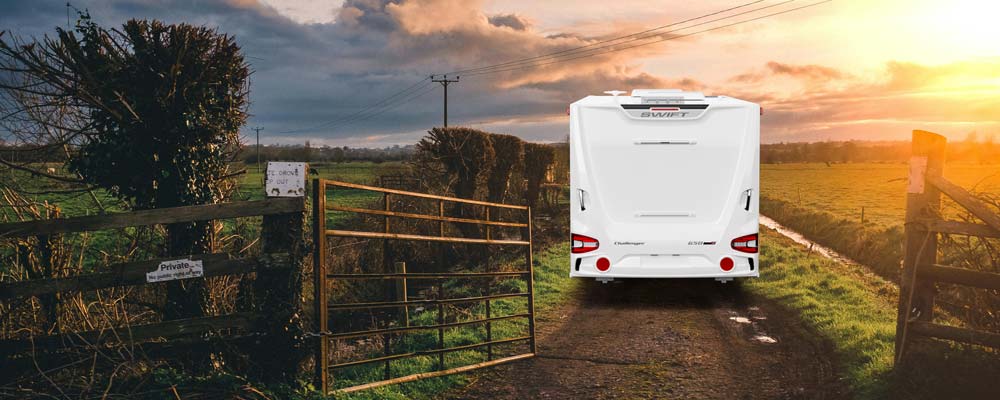
Access is another big one. Can a large vehicle, like a caravan, actually get onto your land without causing damage to your driveway, your neighbours' property, or the caravan itself? You might need to reinforce gates, widen entrances, or even consider a separate access track. This can be a surprising expense, so factor it in early.
The Neighbours: A Crucial Consideration
Let’s talk about the people who live closest to your dream caravan: your neighbours. Even if you have every bit of planning permission and all your ducks are in a row, an unhappy neighbour can make life very difficult. Remember that example of the trampoline? It applies here too.
It’s always a good idea to have a friendly chat with your neighbours before you lodge any formal applications or start clearing a space. Explain your intentions, show them your plans (if you have them), and address any concerns they might have. They might be perfectly happy for you to have a caravan, especially if it’s for a family member. Or, they might have genuine worries about privacy, noise, or the overall look of the street. Open communication is your best friend here. A bit of neighbourly goodwill can go a long way, much further than a strongly worded letter to the council.
Think of it as being a good tenant in the neighbourhood. You want to make sure your new addition doesn’t cause any undue stress or disruption to the existing community. A bit of proactive diplomacy can save a lot of headaches down the line. Perhaps a strategically placed hedge, or a promise of occasional garden produce? Small gestures can be surprisingly effective.

Caravans as Temporary Structures: The Loophole?
Sometimes, people try to use the "temporary structure" angle to avoid planning permission. While a caravan is technically mobile, if it’s being used as a dwelling for any significant period, the council will likely see it as a more permanent use. The definition of "temporary" can be quite fluid, and it’s not something to rely on to bypass the system. Councils are wise to this, and it's usually best to be upfront and honest about your intentions.
The law often looks at the use of the land, not just the structure itself. If a caravan is occupied and functioning as a home, that’s a significant use that requires consideration. Trying to play fast and loose with this can lead to enforcement action, which is nobody’s idea of a good time.
The Bottom Line: Do Your Homework!
So, can you put a caravan on your land? The simple, albeit slightly frustrating, answer is: it depends. It depends on your local council’s rules, the specific use of the caravan, the nature of your land, and how much effort you’re willing to put into the process.
Your first port of call should always be your local council planning department. Don’t guess, don’t assume, don’t rely on what your mate Dave’s cousin’s brother-in-law did. Get the official word. You might find that your dream caravan is perfectly achievable with a bit of paperwork, or you might discover that it's a bit more complex than you initially thought. Either way, being informed is the first step to a happy caravan outcome.
Think of it as planning a holiday. You wouldn't just rock up at the airport with a toothbrush and hope for the best, would you? You research destinations, book flights, find accommodation. This is just a different kind of planning for your own little slice of paradise. So, grab that cuppa, open your laptop, and dive into the world of planning regulations. Your dream caravan might be closer than you think, and with a little bit of diligence, you’ll be well on your way to enjoying that perfectly parked home away from home.