Can I Drive On A Flat Tire
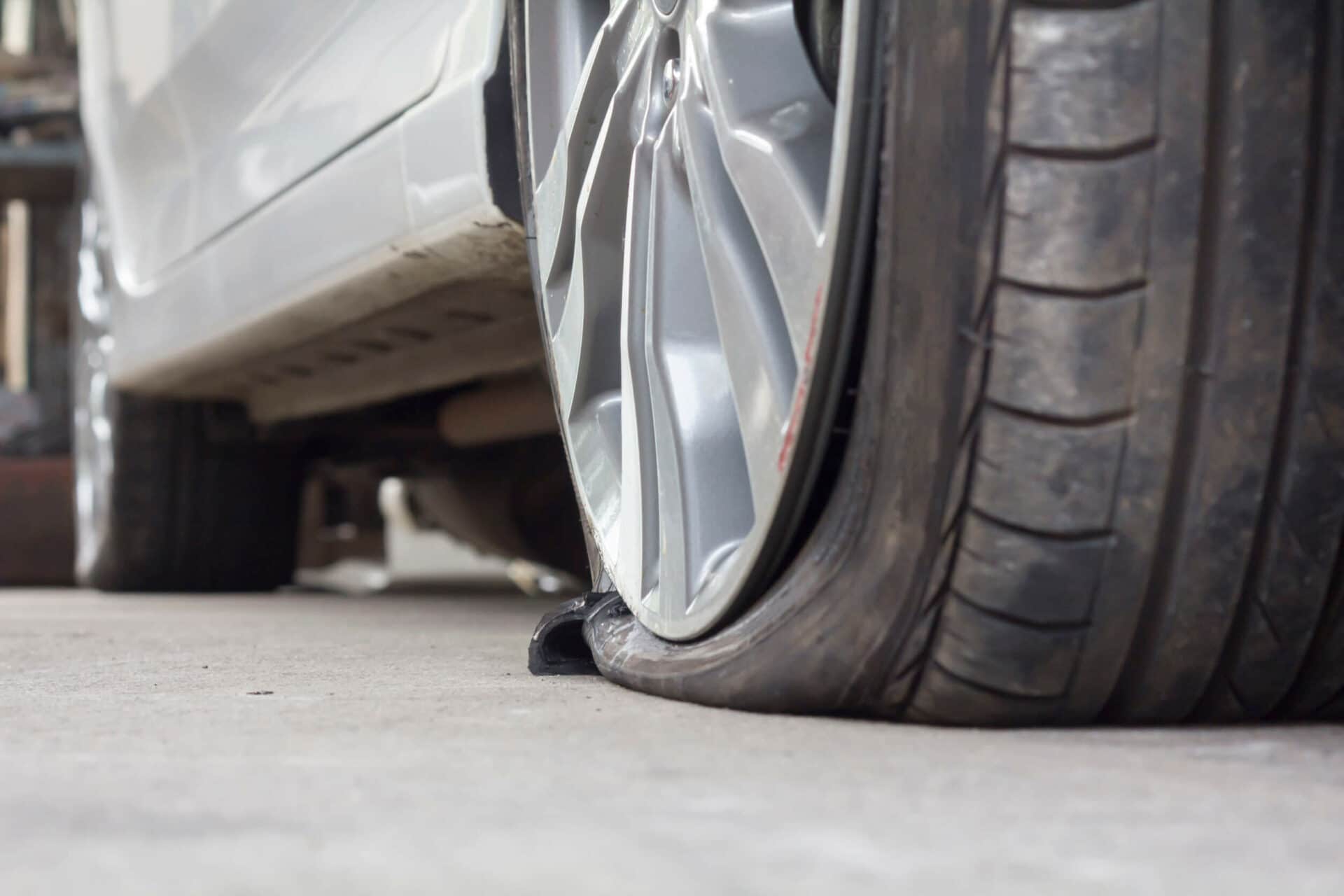
So, you’ve got a flat. Bummer, right? That little thump-thump-thump that turns into a definite squish-squish-squish. It’s like your car’s telling you it’s had a bit too much to drink. But here’s the million-dollar question, the one that probably popped into your head faster than you could say "oh, fiddlesticks": Can I drive on a flat tire?
Let’s dive in. Because honestly, this is a topic ripe for some fun. We’re not talking brain surgery here. We’re talking about a deflated piece of rubber. It’s the kind of everyday drama that makes life interesting. Think of it as a mini-adventure. Or maybe just a really annoying pause in your road trip.
The short, unglamorous answer is: Probably not a good idea. But like most things in life, there are shades of grey. And sometimes, those shades of grey are actually pretty important. Like, really important. Like, "don't wreck your entire car" important.
Must Read
The Big IF: How Flat Is It?
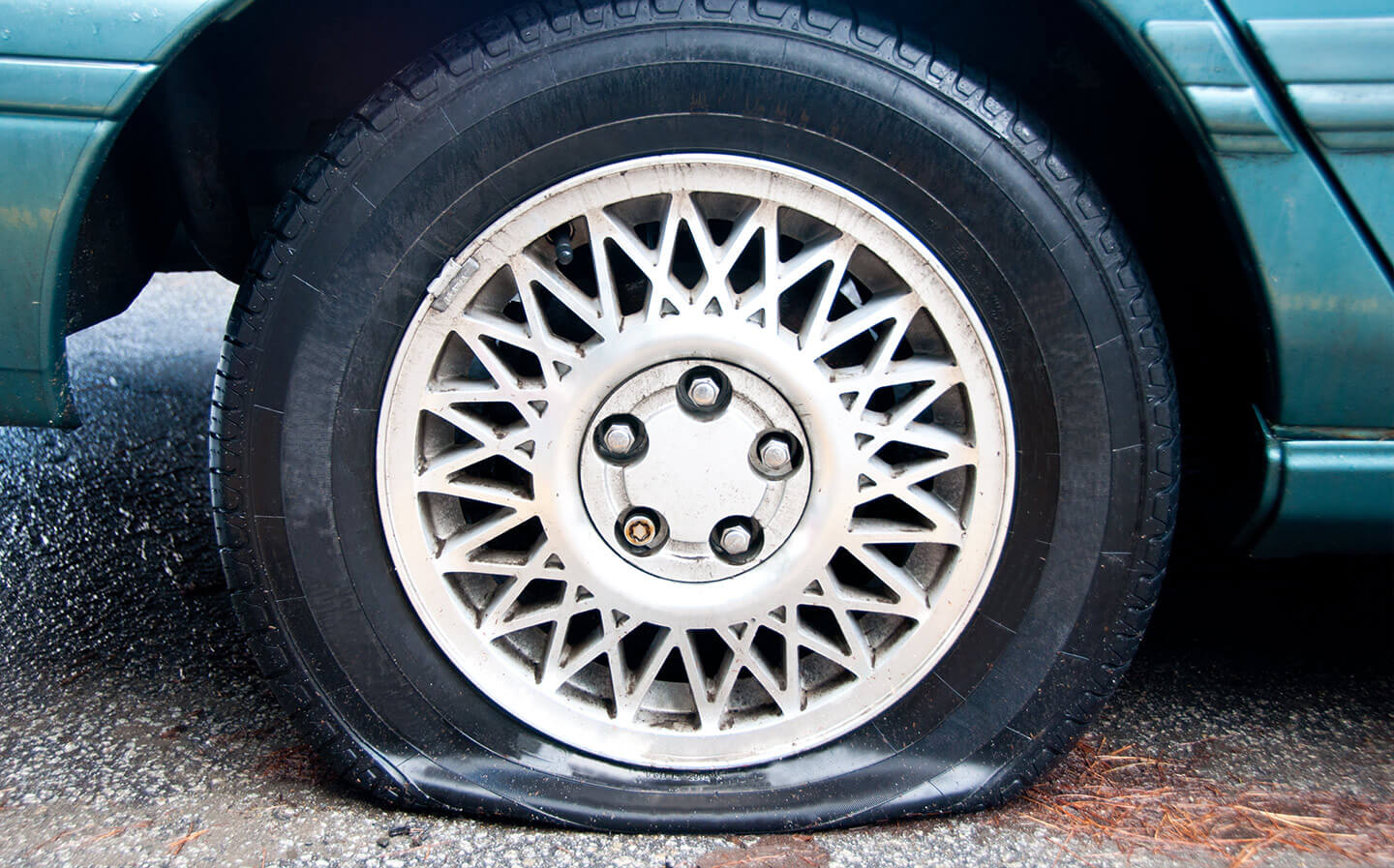
First off, let’s define "flat." Is it just a little low on air? Like it’s taking a leisurely nap? Or is it completely, utterly, pancake-flat? So flat you could use it as a very sad, very ineffective frisbee?
If it’s just a bit soft, like it’s had a long day and needs a sit-down, you might be able to go a tiny distance. Think, like, super short. Like, pulling into an empty parking spot. Or maybe inching to the side of the road if you’re on a highway. We’re talking meters, not miles. Seriously, don’t get ambitious.
But if it’s totally smooshed? Like it’s been run over by a rogue steamroller? Then, my friend, it’s a hard no. A resounding, definitive, "nope, nope, nope."
Why the Fuss About a Little Air?
You’re probably thinking, "It’s just rubber and air. What’s the big deal?" Well, let me tell you, that little bit of air is doing a lot more than you think.
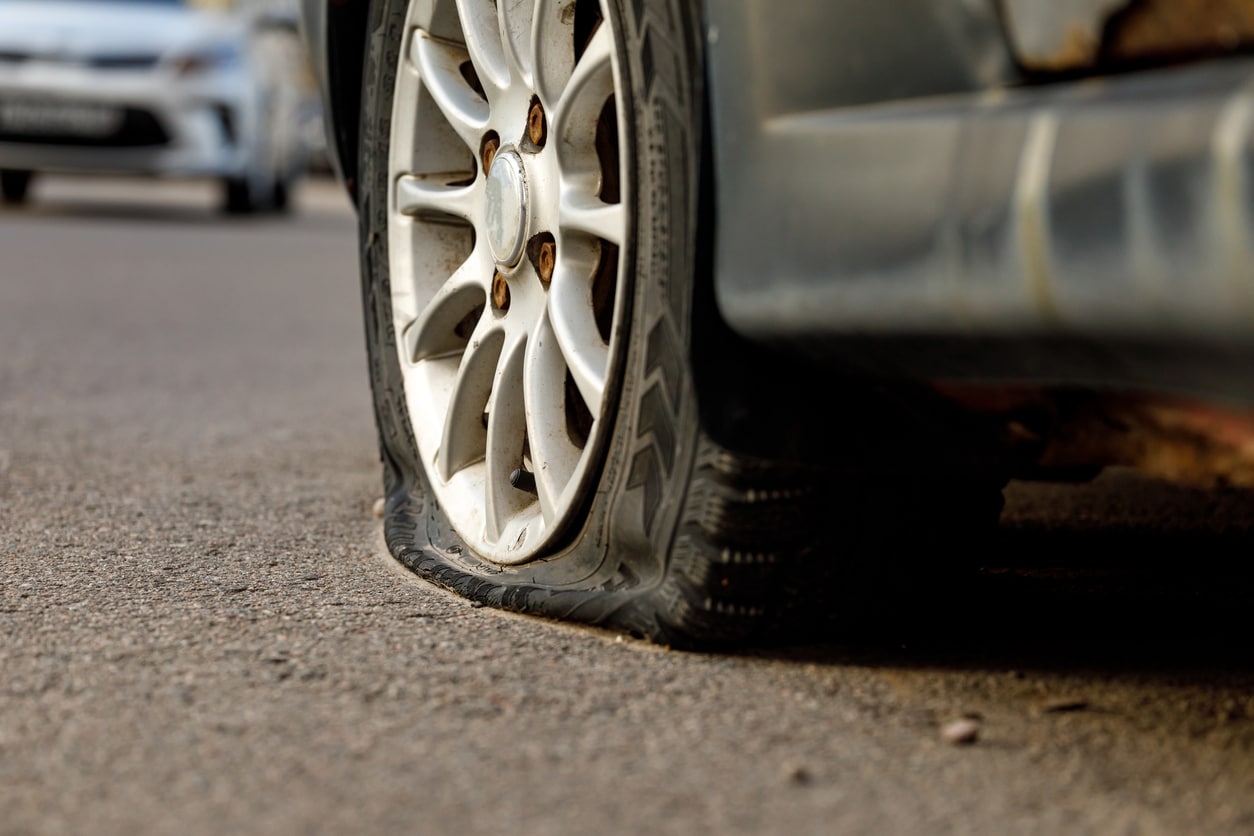
Your tires are like the car’s shock absorbers. They cushion the ride. They keep things smooth. When one is flat, all that weight is pressing down directly onto the rim. That metal rim is not designed for asphalt. It’s designed to hold the tire. And that’s about it. Think of it like wearing your socks to a rock-climbing competition. You're going to have a bad time.
When you drive on a flat, you’re essentially grinding your wheel rim against the road. This can cause some serious damage. We’re talking bent rims, torn-up tires, and potentially even damage to your suspension. This isn't just an aesthetic problem. This is a "costly repair" problem.
The Quirky World of Tire Damage
Did you know that the average tire has to deal with a lot? Potholes the size of small craters? Rogue nails that seem to materialize out of thin air? And let’s not forget the occasional squirrel-related incident (okay, maybe that last one is just me). Tires are tough cookies, but even the toughest cookies can crumble under pressure. Or, you know, lack of air pressure.
And the way tires fail is almost as varied as the reasons they fail. Sometimes it’s a slow leak, like a tiny puncture that’s having a party in your tire. Other times, it’s a sudden blowout, which is like your tire deciding to go out with a bang. Either way, it’s usually not a fun experience.
Think of your tire like a carefully constructed balloon. It’s got internal pressure holding everything in shape. Take that pressure away, and it’s just a floppy mess. Driving on that floppy mess is like asking a deflated bouncy castle to support a small army. It’s not going to end well.

The “Just a Few Feet” Fallacy
This is where things get really fun. The "just a few feet" fallacy. We've all been there, right? You’re so close to home. Or so close to that emergency tire repair shop that looks like it’s run by a guy named "Chuck" and his pet badger. You think, "I can make it. It's just a little further."
But that little further can be the difference between a simple tire change and a full-blown rim replacement. Imagine your rim as the skeleton of your wheel. When you’re driving on a flat, you’re basically walking on that skeleton without any flesh or protective covering. Ouch.
It’s a bit like trying to run a marathon in flip-flops. You might make it a few steps, but you’re not going to win any races, and you’re definitely going to regret it later. Your car’s rim is not designed for that kind of abuse. It’s not built for scraping.
What If You Have Run-Flat Tires? The Magic Rubber!
Ah, run-flat tires. The heroes of our story. Or at least, the slightly more resilient adventurers. These are the tires that are designed to be driven on for a limited distance at a limited speed even when they have no air. It’s like they’ve got a secret inner strength. A superhero cape made of reinforced rubber.

These bad boys have thicker sidewalls that can actually support the weight of your car for a while. Think of it as a built-in emergency kit. They’re not meant for long-term driving, mind you. You still need to get them fixed or replaced pronto. But they can save you from being stranded in the middle of nowhere at 3 AM.
If you have run-flats, you’ll usually see a little symbol on the tire itself, or your car might have a special tire pressure monitoring system (TPMS) that alerts you. It’s like a little flashing beacon of hope. But even with run-flats, there’s a limit. Don’t push your luck. Treat them like a temporary fix, not a permanent solution.
The Sound of Silence (and the Smell of Trouble)
One of the surest signs you’re doing something you shouldn’t be doing is the sound. That squelch-squelch-squelch is your tire’s distress signal. It’s the sound of rubber giving up the ghost. It's also the sound of your rim potentially meeting its maker.
And the smell? Oh, the smell. Burnt rubber is a distinct aroma. It’s not exactly Chanel No. 5. It’s more like a burning tire factory. If you start smelling that, it’s a pretty good indication that things are not going according to plan. Your tire is basically screaming at you, "Help! I'm melting!"
These aren't subtle hints, folks. These are loud, smelly, all-caps warnings. Listen to your car. It’s trying to tell you something important. And usually, that something is, "Pull over, you silly goose!"
So, What’s the Fun Part About This?
Okay, so maybe "fun" isn't the first word that comes to mind when you're facing a flat. But there's a certain theatricality to it, don't you think? It's a classic road trip trope. The unexpected setback that tests your mettle. Will you be the hero who calmly changes the tire? Or the one who calls for a tow truck with a slightly panicked voice?
And let's be honest, who doesn't have a story about a flat tire? It's a universal experience. A bonding moment for drivers. "Remember that time I got a flat on the way to [insert important event here]?" It's the stuff of legends. Slightly inconvenient, but legendary nonetheless.
Plus, it’s a great excuse to learn something new about your car. You might even discover that you have a spare tire and a jack lurking in your trunk. It's like a treasure hunt! And who knows, you might even impress someone with your newfound tire-changing prowess. That's a win in my book.
The Verdict: Be Smart, Be Safe
So, back to the original question: Can I drive on a flat tire? The answer, in most cases, is a firm no. Unless you have those magical run-flat tires and are only going a very short distance at a very slow speed.
Driving on a flat tire is like trying to win a race with one shoe off. It’s not designed for it, and you're likely to do more damage than good. Your rim, your suspension, and your wallet will thank you for not attempting it. So, pull over safely. Check your spare. Or call for roadside assistance. It’s the smart move. And sometimes, the smartest move is the most fun to brag about later!