Can Dogs Sleep With A Cone On

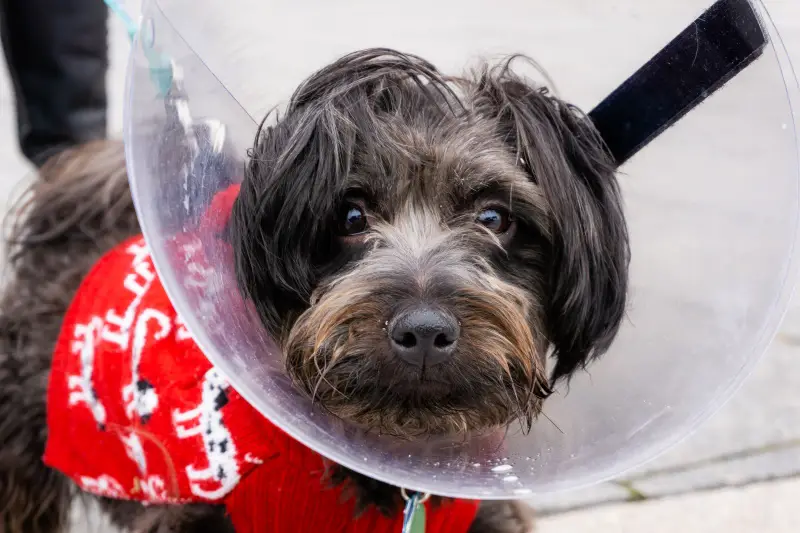
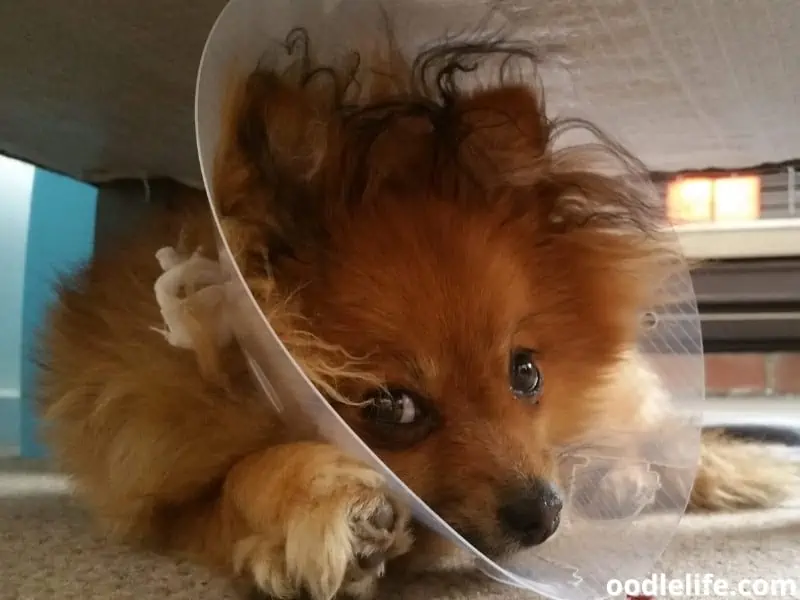
Ah, the humble cone. For many of us dog parents, the sight of our furry companions sporting that magnificent plastic collar evokes a complex mix of sympathy, amusement, and a touch of desperation. But let's be honest, when our beloved pups are sporting those glorious "lampshades," a peculiar kind of bonding often happens. We find ourselves marveling at their stoic acceptance (or hilarious attempts to navigate doorways), and the shared experience of this temporary indignity can be surprisingly heartwarming. It’s a sign of care, of healing, and of a commitment to our dog’s well-being.
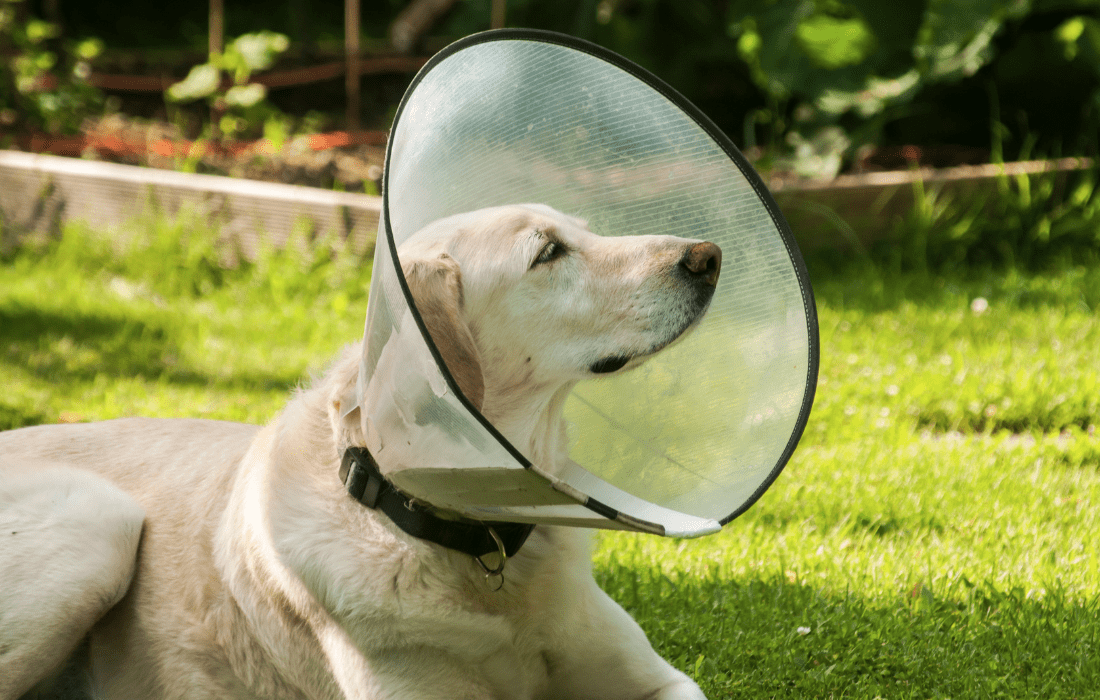
The primary purpose of this rather unflattering accessory, often affectionately dubbed the "cone of shame," is quite serious and incredibly beneficial. It’s all about preventing. Preventing our dogs from reaching and licking, chewing, or scratching wounds, surgical sites, or irritated skin. This simple, albeit bulky, barrier is crucial for proper healing. Think of it as a highly effective, non-invasive bandage protector. Without it, a dog's enthusiastic grooming can undo the best surgical work or reopen an injury, leading to infection and prolonged recovery. So, while it might look a bit silly, its role in keeping our dogs healthy and on the mend is undeniably significant.
We see these cones in action most commonly after surgeries like spaying, neutering, or dental procedures. They’re also a familiar sight for dogs recovering from skin infections, hot spots, or injuries where they might be tempted to lick themselves raw. Some dogs might wear them after a bee sting or a minor scrape that their owner wants to ensure stays clean. Essentially, any situation where a dog’s own mouth could become a hindrance to healing is a prime candidate for cone-time.
Must Read
Now, let’s talk about making this necessary phase a little more bearable, for both pup and parent. The biggest hurdle is often comfort and mobility. Firstly, ensure the cone fits properly. It shouldn't be too tight, restricting breathing or swallowing, nor so loose that your dog can slip out of it or still reach their target. Many vets now offer softer, fabric cones which can be significantly more comfortable for sleeping and general wear. If your dog is particularly distressed, don’t hesitate to discuss alternatives with your veterinarian. Sometimes, a well-fitting Elizabethan collar is still the best option, but there are ways to mitigate its impact.
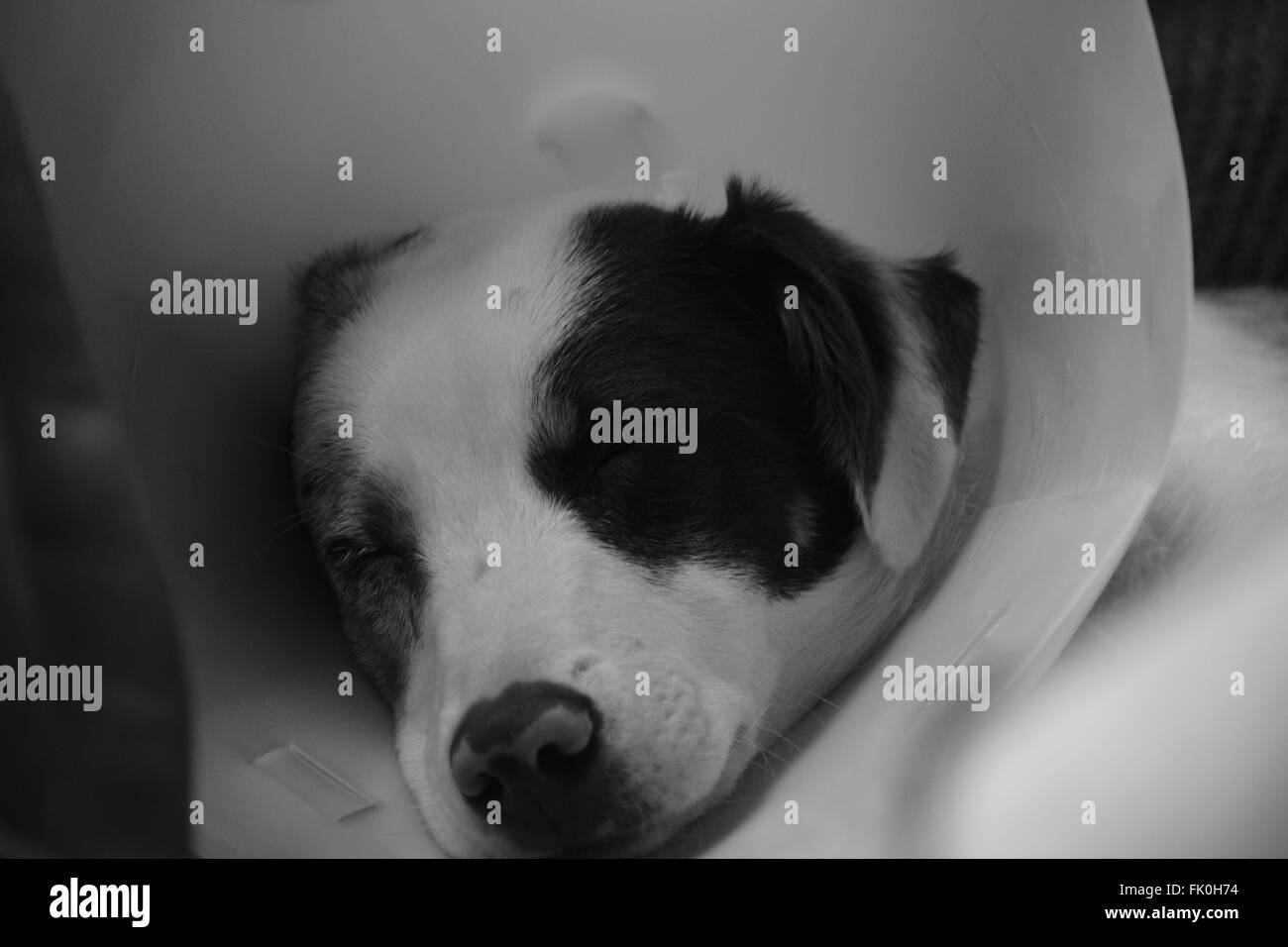
For sleeping, some dogs adapt surprisingly well, learning to sleep with their heads resting on the rim of the cone. Others struggle. Consider elevating their food and water bowls using stands or books. This allows them to eat and drink without having to bend down awkwardly, which can be uncomfortable with a cone. Also, provide a comfortable, plush bed. A soft surface can make resting easier. Some owners even find that a larger, strategically placed pillow can act as a buffer, allowing their dog to nestle in. Finally, be patient and offer plenty of reassurance. Your dog is likely feeling a bit miserable and confused. Extra cuddles and positive reinforcement will go a long way in helping them through this temporary, but important, healing period. Remember, it’s all about helping them get back to their happy, healthy selves!