Can Cling Film Go In The Oven

Ever stared at a bubbling casserole, a perfectly roasted chicken, or even just some leftover veggies, and wondered about that trusty roll of cling film sitting in your kitchen drawer? We've all been there! The question of whether our kitchen wizard, cling film, can brave the heat of the oven is one of those surprisingly common culinary conundrums. It's a little bit of a kitchen mystery, isn't it? Part of the fun comes from that instant connection we feel to it – it’s the unsung hero of keeping our food fresh, preventing spills, and generally making our lives a whole lot easier. So, let’s dive into this steamy topic and get to the bottom of whether your cling film can join the oven party.
Think about it: we use cling film for so many things! It’s the go-to for wrapping up sandwiches for lunchboxes, sealing bowls of overnight oats, and keeping that half-used avocado from browning too quickly. Its versatility is undeniable. The tight seal it provides is fantastic for trapping moisture and flavour, which is a huge benefit when you’re storing food. It also acts as a great barrier against freezer burn, keeping your frozen goodies tasting their best for longer. And let’s not forget its role in some delicious culinary techniques, like sous vide, where it’s essential for creating that perfect, controlled cooking environment.
The real question for many home cooks is: can this everyday kitchen staple handle the intense heat of an oven? It's a question that pops up when you're planning your meals, especially when you're trying to be efficient and perhaps want to cook something directly in its cling-film-covered container, or maybe you're thinking of using it to create a steam pocket for added moisture.
The short, and most important, answer to whether cling film can go in the oven is a resounding NO. And here’s why that’s such a crucial piece of information to have readily available. While cling film is a miracle worker in the fridge and on the countertop, its capabilities unfortunately do not extend to the fiery depths of your oven. The primary reason for this is the materials from which cling film is made and the temperatures it's designed to withstand. Most common cling films are made from polyvinyl chloride (PVC) or polyethylene (PE). These plastics have different melting and degradation points, but none of them are designed for the prolonged, high heat of an oven.
When cling film, particularly PVC-based films, is exposed to oven temperatures (which typically range from 175°C/350°F to 230°C/450°F and can go even higher), it can start to melt, deform, and crucially, release harmful chemicals. These chemicals can then leach into your food, compromising not only the taste but, more importantly, your health. Think of it this way: the very thing that keeps your food fresh at low temperatures is what can contaminate it at high temperatures. It’s a bit of a cruel twist of plastic fate!

You might be thinking, “But what about those oven bags for roasts?” That’s a great point, and it highlights a key distinction. Those specially designed oven bags are made from different, heat-resistant plastics like polyester or nylon. They are engineered to withstand specific oven temperatures without melting or releasing toxins. So, it’s not about all plastics being a no-go in the oven, but specifically about your everyday cling film.
So, what are the benefits of knowing this? Well, besides the obvious benefit of avoiding the ingestion of potentially harmful chemicals, it also helps you plan your cooking more effectively. If you’re looking for ways to keep your food moist or create steam, there are much safer and more effective alternatives. For instance, you can use parchment paper (also known as baking paper) to cover dishes. Parchment paper is designed to withstand oven temperatures and provides a breathable barrier that can help retain moisture without the risk of melting or chemical transfer. Another excellent option is aluminum foil. It’s fantastic for creating a tight seal, reflecting heat, or forming a packet to steam food. Just remember that aluminum foil should not be used with highly acidic foods for extended periods, as it can react.
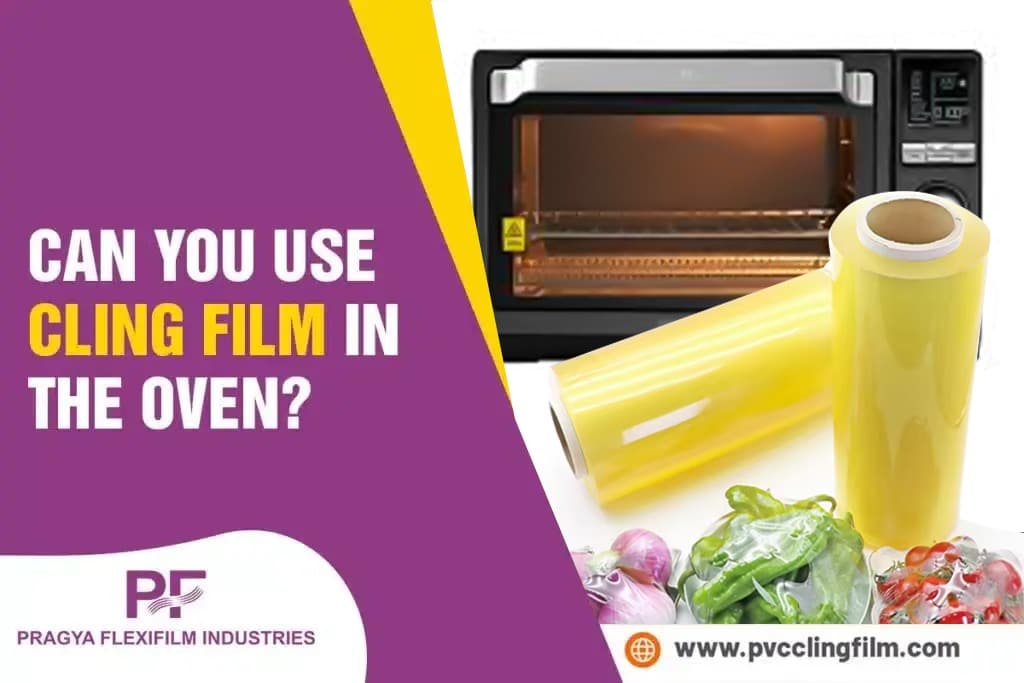
If you're aiming for that perfect, moist roast chicken or tender steamed vegetables, consider using oven-safe lids for your pots and pans, or simply use aluminum foil or parchment paper. These materials offer the desired effect without the potential dangers associated with heated cling film. It’s all about choosing the right tool for the job, and when it comes to the oven, your cling film is best left in the drawer.
Let’s recap the main takeaway: cling film is NOT oven-safe. It's a simple rule, but it's a vital one for safe and healthy cooking. Enjoy your culinary adventures, and always remember to keep your cling film chilled out in the fridge, not heated up in the oven!