
Can Chewing Gum Go Out Of Date

Let’s face it, we’ve all been there. You’re rummaging through that old drawer, the one where rogue lip balms and forgotten receipts go to live, and you unearth a pack of gum. Maybe it’s been hiding since that concert last summer, or perhaps it’s a relic from a road trip years ago. The big question, the one that might linger in the back of your mind as you ponder its minty potential, is: can chewing gum go out of date? It’s a question that sparks a surprising amount of debate, and honestly, it’s a fun little mystery to unravel.
Think about it. Gum is pretty much designed to be long-lasting, right? That’s its whole gig. It’s that resilient companion for your jaw, ready to offer a burst of flavor whenever you need it. Unlike that carton of milk that’s staring you down with a rapidly approaching expiration date, gum seems to exist in a different temporal plane.
But here’s the thing: while gum might not sprout mold like a forgotten banana, it definitely undergoes changes. It’s less about becoming unsafe and more about losing its mojo. So, while you probably won’t get sick from that ancient pack, you might be sorely disappointed in the experience.
Must Read
The Science (or Lack Thereof) Behind Gum’s Longevity
So, what’s actually going on inside that brightly colored wrapper? Chewing gum is primarily made of a gum base, sweeteners, flavorings, and softeners. The gum base is the real MVP here – it’s a complex blend of synthetic polymers, resins, and waxes. These ingredients are remarkably stable. They don’t readily break down or spoil in the way organic materials do.
This is why, technically, chewing gum doesn’t “expire” in the traditional sense. You won’t find a specific date stamped on it that signifies it’s gone bad and needs to be tossed. Instead, you’ll often see a “best by” or “use by” date. This is a crucial distinction.
Manufacturers include these dates to indicate when the gum is likely to be at its peak quality. Think of it as a recommendation from your favorite band: it’s the best time to listen to their album, but it’ll still sound good a few years down the line, just maybe not as crisp.
When Flavor Fades and Texture Transforms
The most noticeable sign that your gum has seen better days is a decline in flavor. That vibrant burst of spearmint or watermelon? It’s going to mellow out. The sweeteners start to lose their punch, and the flavorings, which are often volatile oils, can evaporate over time, especially if the package isn’t perfectly sealed.

Then there’s the texture. Remember that satisfying chew? Over time, the softeners in the gum can dry out. This can lead to a gum that’s either rock hard and brittle, or conversely, a little too sticky and difficult to chew. It loses that pleasant elasticity that makes chewing gum such a satisfying, mindless activity.
Imagine trying to enjoy your favorite playlist, but the audio is muffled and distorted. That’s kind of what happens to old gum. The essence is still there, but the experience is diminished. It’s like wearing a favorite but slightly faded t-shirt – still comfortable, but the colors aren’t as bright.
Factors Affecting Gum’s Shelf Life
Several things can influence how long your gum remains in its prime chewing condition:
- Packaging: A tightly sealed, original wrapper is your gum’s best friend. Once it’s opened, especially if it’s not resealable, air and moisture can start to work their magic (or mischief).
- Storage Conditions: Heat is a gum’s nemesis. Storing gum in a hot car or direct sunlight will accelerate the degradation of its flavor and texture. Cool, dry places are ideal.
- Ingredients: Different gum formulations will have slightly varying shelf lives. Gums with more natural ingredients might be a bit more susceptible to changes than those with highly stable synthetic compounds.
So, that pack of gum you left on your dashboard in July? Yeah, it’s probably not going to deliver the invigorating minty blast you were hoping for come October.

A Cultural Phenomenon: Gum Through the Ages
Chewing gum isn’t just a modern invention. Humans have been chewing on things for millennia! Ancient Greeks chewed on mastiche, a resin from the mastic tree, for breath freshening and oral hygiene. Indigenous peoples in North America chewed on spruce tree resin. It’s a surprisingly universal habit, a simple act that transcends cultures and time.
The modern chewing gum industry really took off in the 19th century. John Curtis is credited with producing the first commercial chewing gum in the United States in the 1840s. It wasn’t until Thomas Adams, inspired by General Santa Anna’s interest in chicle (a natural latex), that the industry truly boomed. Adams’s Tutti-Frutti gum became a sensation.
Think about the iconic gum brands we have today. Bubble Yum, Juicy Fruit, Wrigley’s Spearmint – these have been around for generations, a constant in a changing world. They’ve been the soundtrack to school days, road trips, and late-night study sessions. They’re more than just candy; they’re little pieces of nostalgia.
And let’s not forget the cultural impact! From the satisfying snap of a bubble to the silent, rhythmic chewing of a classroom, gum is woven into the fabric of everyday life. It’s a social lubricant, a stress reliever, and sometimes, just a way to pass the time. Remember the epic bubble-blowing contests of your youth? The competition to see who could blow the biggest, most audacious bubble? That was pure, unadulterated gum joy.
Fun Facts to Chew On
Here are a few tidbits to impress your friends the next time you’re reaching for a piece of gum:
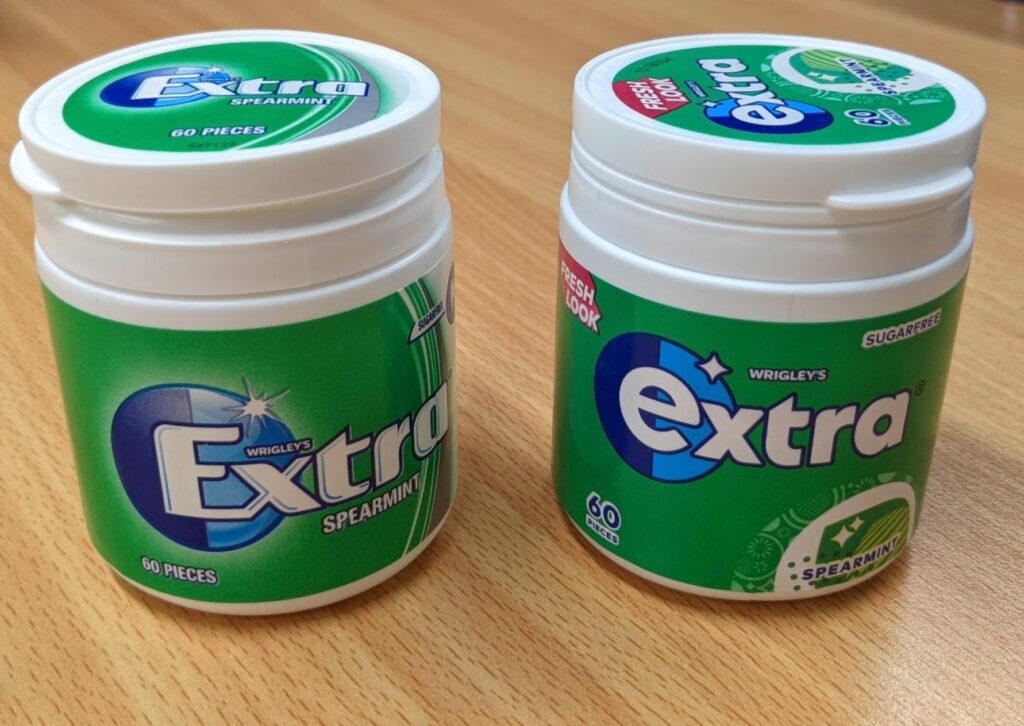
- The world’s largest chewing gum ball weighed over 3,000 pounds! Now that’s a lot of chewing.
- Chewing gum can actually help improve concentration and alertness. So, that nervous chew before a big presentation? It might actually be helping!
- The average person chews about 300 sticks of gum per year. That’s a lot of mastication!
- The fear of getting gum stuck in your hair is a common childhood phobia. We’ve all heard the horror stories, but thankfully, there are ways to deal with it (like peanut butter – a surprising, yet effective, solution!).
When to Say Goodbye to Your Gum
So, how do you know when it’s time to part ways with your pack of gum? It’s less about a definitive date and more about sensory evaluation. Here’s your simple checklist:
1. The Texture Test: Does it feel rock hard? Does it crumble when you try to unwrap it? Or is it unnaturally sticky and gooey? If it feels significantly different from how fresh gum should feel, it’s probably past its prime.
2. The Flavor Forecast: Pop a piece in your mouth. Is the flavor barely there? Does it taste stale or slightly off? If the flavor is a ghost of its former self, it’s time to move on.
3. The Visual Inspection: While rare, if you notice any discoloration or, heaven forbid, any fuzzy bits (which would be mold), then definitely toss it. This is highly unlikely with commercially produced gum unless it’s been stored in extremely damp conditions for a very long time.

4. The Smell Test: Sometimes, a whiff is all you need. If it smells musty or unappealing, it’s a clear sign to bid farewell.
If your gum passes these simple checks and still offers a decent chew and flavor, it’s probably fine. Think of it as a resilient survivor, a testament to its clever design. It’s not about strict rules; it’s about enjoying the experience.
The Bottom Line: Enjoying Your Chew
Ultimately, the question of whether chewing gum goes out of date is more nuanced than a simple yes or no. It doesn’t become dangerous, but it certainly loses its appeal over time. The sweetness fades, the texture shifts, and the delightful burst of flavor becomes a distant memory.
It’s a reminder that even the most stable of things can change. Our own lives are a bit like that, aren't they? We evolve, our tastes change, our experiences shape us. The person you were five years ago isn’t exactly the same person you are today, and that’s a good thing. It’s a sign of growth and adaptation.
So, the next time you unearth that forgotten pack of gum, give it a little sniff, a gentle poke. If it still promises a decent chew and a hint of flavor, go for it! Enjoy that little burst of minty refreshment. And if not? Well, there’s always another pack waiting, ready to be enjoyed at its peak. It’s a small, simple pleasure, and that’s worth appreciating, no matter the age of the wrapper.

