Can A Horse See In The Dark

Ever found yourself fumbling for a light switch in a dimly lit room, squinting to see where you’re going? Most of us do! Our human eyes, while amazing for a lot of things, aren't exactly built for navigating the dead of night without a little help. But what about our magnificent equine friends, the horses? Can they see in the dark? It’s a question that might seem like a niche curiosity, but honestly, it’s pretty darn interesting when you think about it, and it tells us a whole lot about these creatures we love.
Let’s face it, if you’ve ever been around a horse at dusk or dawn, you’ve probably noticed they seem pretty comfortable moving around. They don’t typically trip over their own feet or bump into fences like a lost toddler in a darkened playroom. This hints at something pretty special going on with their vision. So, the short answer is: yes, horses can see in the dark, and even quite well! But it’s not like they have built-in night-vision goggles, though that would be pretty cool, wouldn’t it?
Think about it this way: humans are largely diurnal creatures. That means we’re most active and see best during the day. Our eyes are designed for bright light. Horses, on the other hand, evolved from prey animals. Their ancestors, out on the open plains, needed to be able to spot a sneaky predator lurking in the shadows, or find their way back to the herd when the sun was just thinking about setting. This meant their eyes had to adapt to be much more sensitive to light.
Must Read
One of the key reasons for their superior night vision is something called the tapetum lucidum. Now, that’s a fancy Latin phrase, but it’s basically a reflective layer at the back of their eye, behind the retina. You know how sometimes when you shine a flashlight into a cat’s eyes at night, they seem to glow green or yellow? That’s the tapetum lucidum at work! In horses, this layer acts like a tiny mirror. When light enters their eye, it passes through the retina, hits the tapetum lucidum, and then bounces back through the retina again. This gives the light-sensitive cells in their retina a second chance to absorb the light, making them much more efficient at picking up even the faintest glimmers.
It’s like having a slightly fuzzy, but still very useful, extra ray of light helping you out. Imagine trying to read a book in a dimly lit café. If you had a little mirror positioned just right, reflecting any available light back onto the page, you’d probably be able to make out the words a bit better, right? That’s a simplified version of what’s happening in a horse’s eye.
Another factor is the number of rods in their eyes. Rods are the light-sensitive cells in our eyes that are responsible for vision in low light conditions. Humans have a decent number of rods, but horses have significantly more rods than cones (the cells responsible for color vision and detail in bright light). This means their vision is much sharper in dim light, even if their color perception isn't as vibrant as ours.
So, while you might be struggling to see the pattern on your rug without turning on the hall light, your horse is probably quite content to amble around their paddock, munching on grass. They can distinguish shapes and movements that would be a blur to us. This is incredibly important for their survival, as being able to detect danger early could mean the difference between life and death for their ancestors.
Why Should We Care?
Okay, so horses can see better in the dark. That’s neat, but why should we, as everyday people, actually care about this? Well, for starters, understanding how a horse sees helps us better understand their behavior. If you’re a horse owner or just someone who spends time with them, knowing they have this incredible low-light vision can explain a lot of things.
Ever wondered why your horse might be a little more alert or spooky around dusk? It’s not necessarily because they’re being difficult; it’s because they’re picking up on subtle changes in their environment that you might be missing. They might be seeing shadows moving, or a small animal darting across their path, things that are just too dim for our eyes to register clearly.
This knowledge is also super important for their safety and well-being. If you’re leading a horse out at night, or riding them in low light conditions, you need to be aware of their capabilities and limitations. While they can see in the dark, they don’t see everything. Their field of vision is also quite different from ours, with blind spots, especially directly in front and behind them. So, a bit of extra caution and communication (talking to them, for example) is always a good idea.
Imagine you’re walking a small dog on a leash at night. You’re holding the leash, but you also need to keep an eye on where the dog is going. It’s a similar concept with horses. They have great night vision, but they’re still reliant on us to be their eyes for the things they can’t see. Think of yourself as their co-pilot in the dim light!
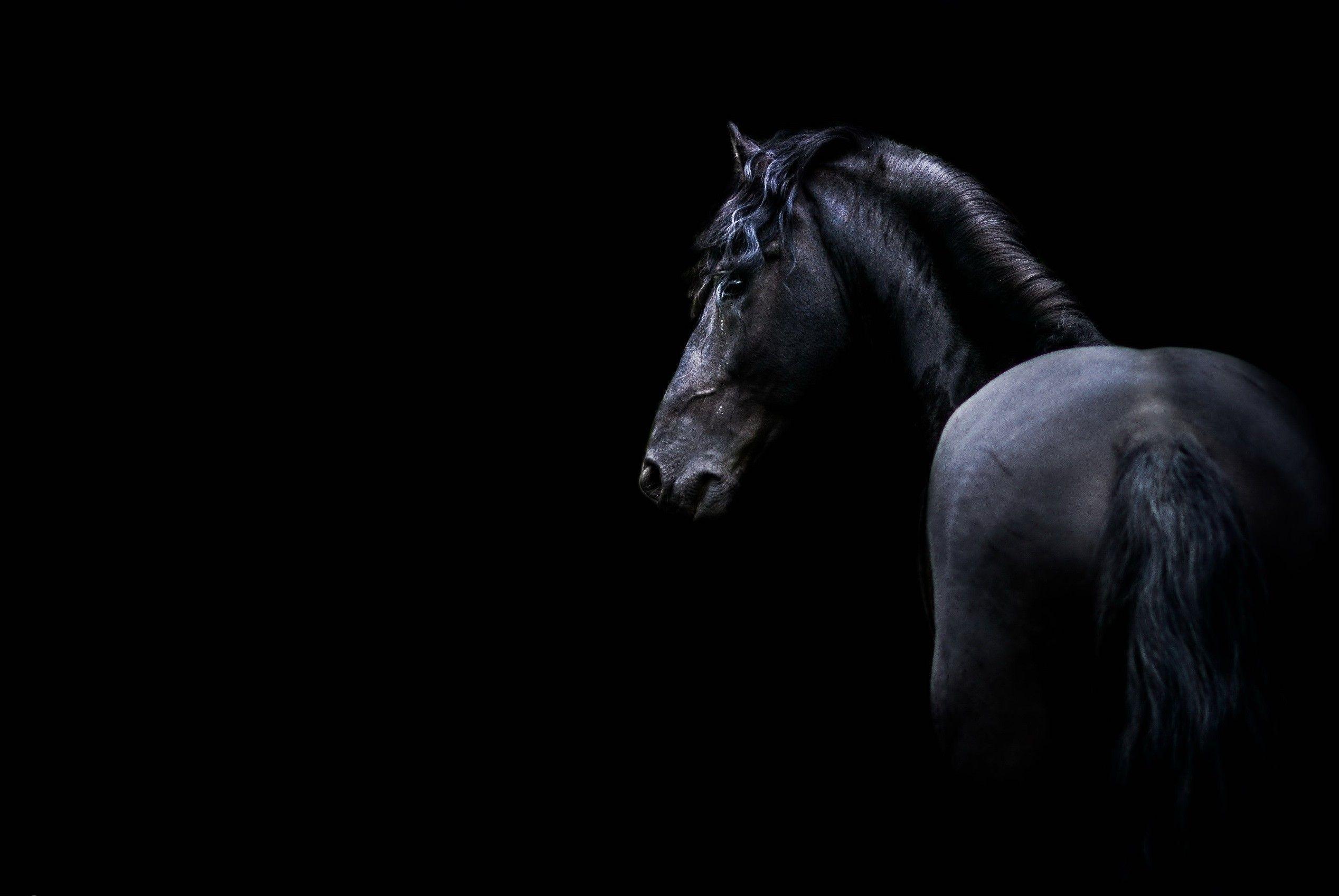
Also, it makes you appreciate them even more, doesn't it? These animals are perfectly adapted to their environment, with senses that have been honed over millennia. When you’re out in the countryside on a quiet evening, and you see a horse grazing peacefully in a field as the stars start to appear, you can marvel at the fact that they’re not just relying on the faint moonlight; they're actively perceiving their surroundings with an acuity that we can only dream of.
It’s a little window into their world, a reminder that they experience life differently from us. Their vision, attuned to the nuances of twilight and moonlight, is a testament to the power of evolution. So, the next time you’re out with a horse at dawn or dusk, take a moment to consider their incredible eyesight. It’s a small detail, but it’s one that adds so much richness to our understanding and appreciation of these incredible animals.
And hey, if nothing else, it’s a fun fact to share at your next dinner party! “Did you know horses can see in the dark? It’s thanks to this thing called the tapetum lucidum…” You’ll be the most interesting person there, guaranteed!