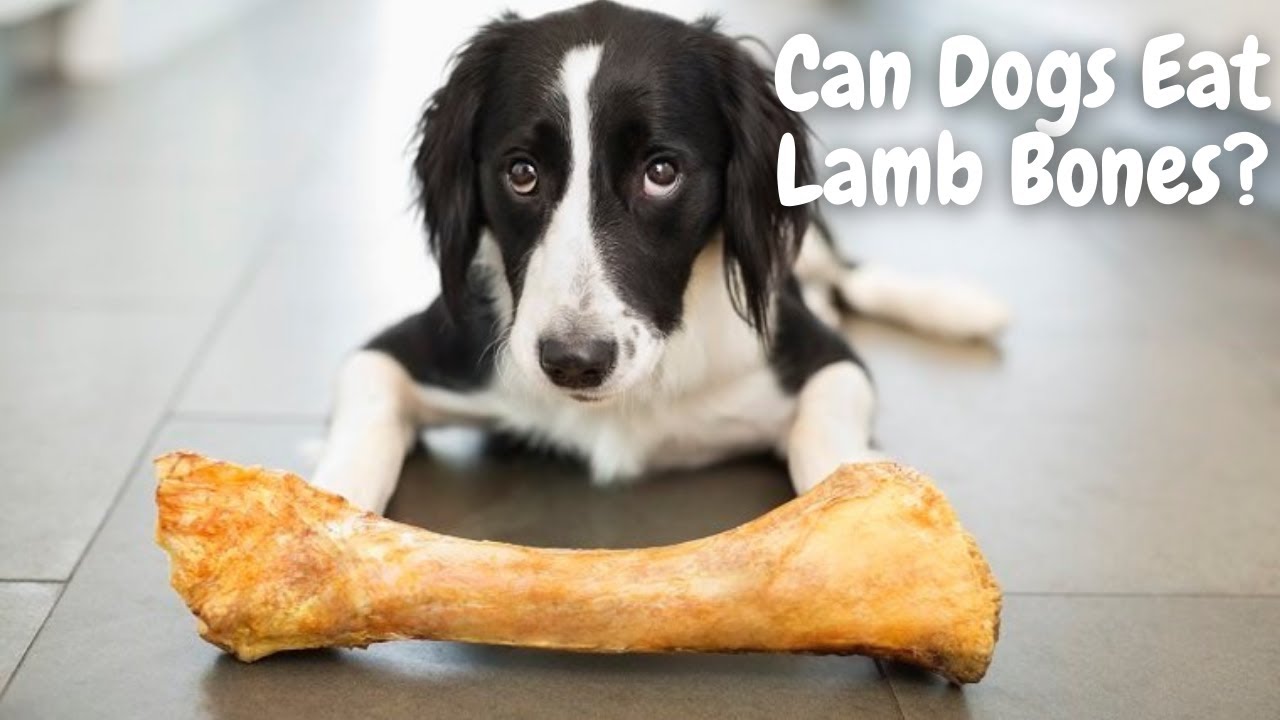
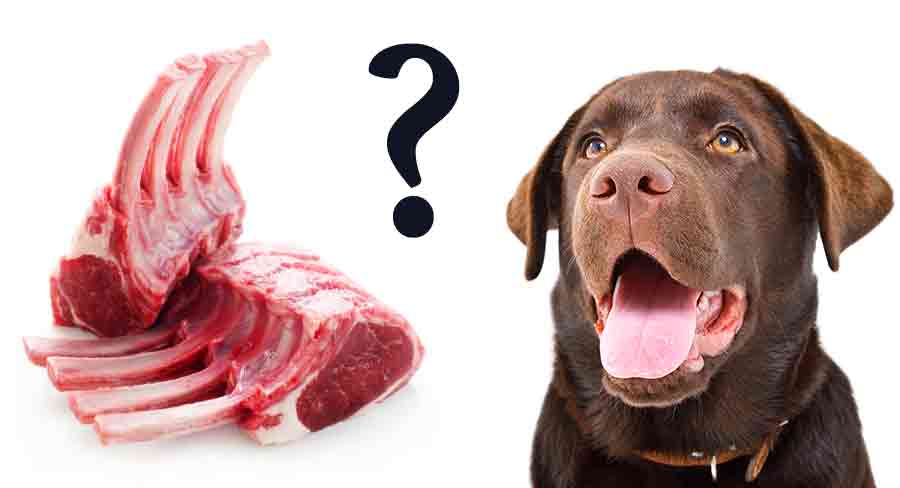
Can A Dog Eat Cooked Lamb Bones

Ah, the age-old question that sparks debate around many a kitchen counter and dog park! When it comes to our furry companions and what they can safely munch on, the topic of cooked lamb bones often pops up. It’s a bit like a culinary mystery novel for pet parents – you want to know if that juicy roast lamb bone from your Sunday dinner is a delicious and harmless treat, or a potential trip to the emergency vet. And let’s be honest, who doesn't love seeing their dog enjoy a good bone? It taps into their primal instincts and provides endless entertainment. This is why the question of can a dog eat cooked lamb bones is so popular and incredibly useful for any responsible dog owner.
The Big Question: Cooked Lamb Bones and Your Canine Pal
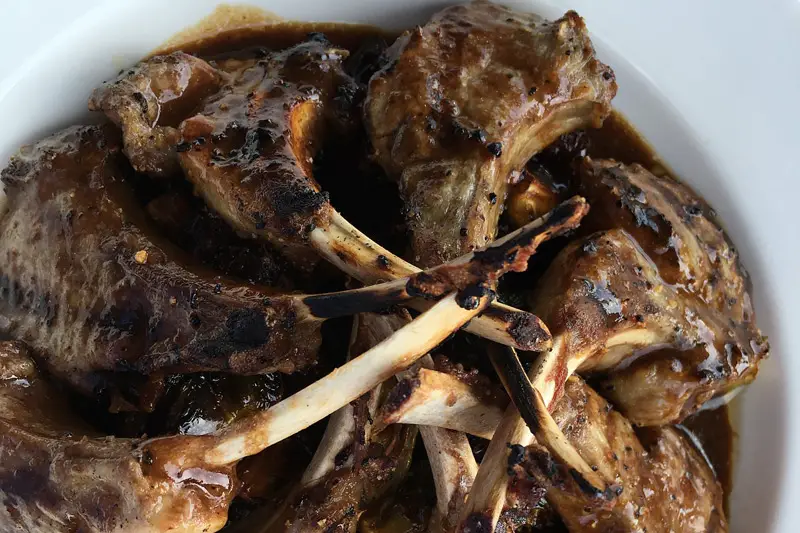
So, let’s get straight to the heart of it: can a dog eat cooked lamb bones? The short, and often misunderstood, answer is: it’s generally not recommended and carries significant risks. While a raw lamb bone might be a different story (though even those come with their own set of considerations), the process of cooking bones fundamentally changes their structure. When lamb bones are subjected to heat, they become brittle. Imagine a dried twig versus a fresh, pliable one – that’s the difference in structural integrity.
The primary concern revolves around splintering. Cooked bones, especially smaller ones or those with sharp edges like those from lamb chops or roasts, can easily break into sharp, jagged pieces when chewed. These shards can cause a variety of painful and potentially life-threatening problems for your dog. We’re talking about everything from minor mouth injuries like cuts on the gums and tongue, to more serious internal issues.
Must Read
The thought of our dogs enjoying a bone is appealing, but their safety must always come first. Understanding the risks associated with cooked bones is crucial for every dog owner.
The Dangers Lurking in Cooked Bones
Let’s delve a little deeper into why those cooked lamb bones can be so problematic. One of the biggest fears is gastrointestinal perforation. Those sharp bone fragments can puncture the delicate lining of a dog’s stomach or intestines. This is a serious medical emergency that often requires surgery and can have a lengthy recovery period. Symptoms to watch out for include vomiting, diarrhea (potentially with blood), lethargy, abdominal pain, and loss of appetite.

Another significant risk is bowel obstruction. If a dog swallows a large enough piece of bone, or if multiple pieces fragment and accumulate, they can create a blockage in the digestive tract. This obstruction prevents food from passing through and can be incredibly dangerous, leading to severe pain, dehydration, and potential damage to the bowel wall. Surgery is almost always required to remove the obstruction.
Beyond the internal damage, cooked bones can also cause choking hazards. Larger pieces, or even a collection of smaller fragments, can become lodged in a dog’s throat, obstructing their airway. This is a terrifying situation that requires immediate veterinary attention. Signs of choking include frantic pawing at the mouth, gagging, coughing, difficulty breathing, and a blueish tint to the gums or tongue.
Finally, even if your dog manages to swallow the bone fragments without immediate perforation or obstruction, they can still lead to constipation. The calcium and phosphorus in bone can bind together, creating hard, difficult-to-pass stools. This can cause discomfort and straining for your dog.
So, What's a Dog Lover to Do?
If you're looking for a safe and satisfying way for your dog to enjoy a bone-like experience, there are much better alternatives. Many veterinarians and animal behaviorists recommend raw, digestible bones from reputable sources, specifically designed for canine consumption. These bones are typically larger and softer, designed to be gnawed on rather than easily broken into dangerous shards. Examples include certain types of raw beef bones or poultry necks (though supervision is always recommended). However, it’s always best to consult with your veterinarian before introducing any raw bones into your dog’s diet, as they can assess your individual dog’s needs and potential risks.
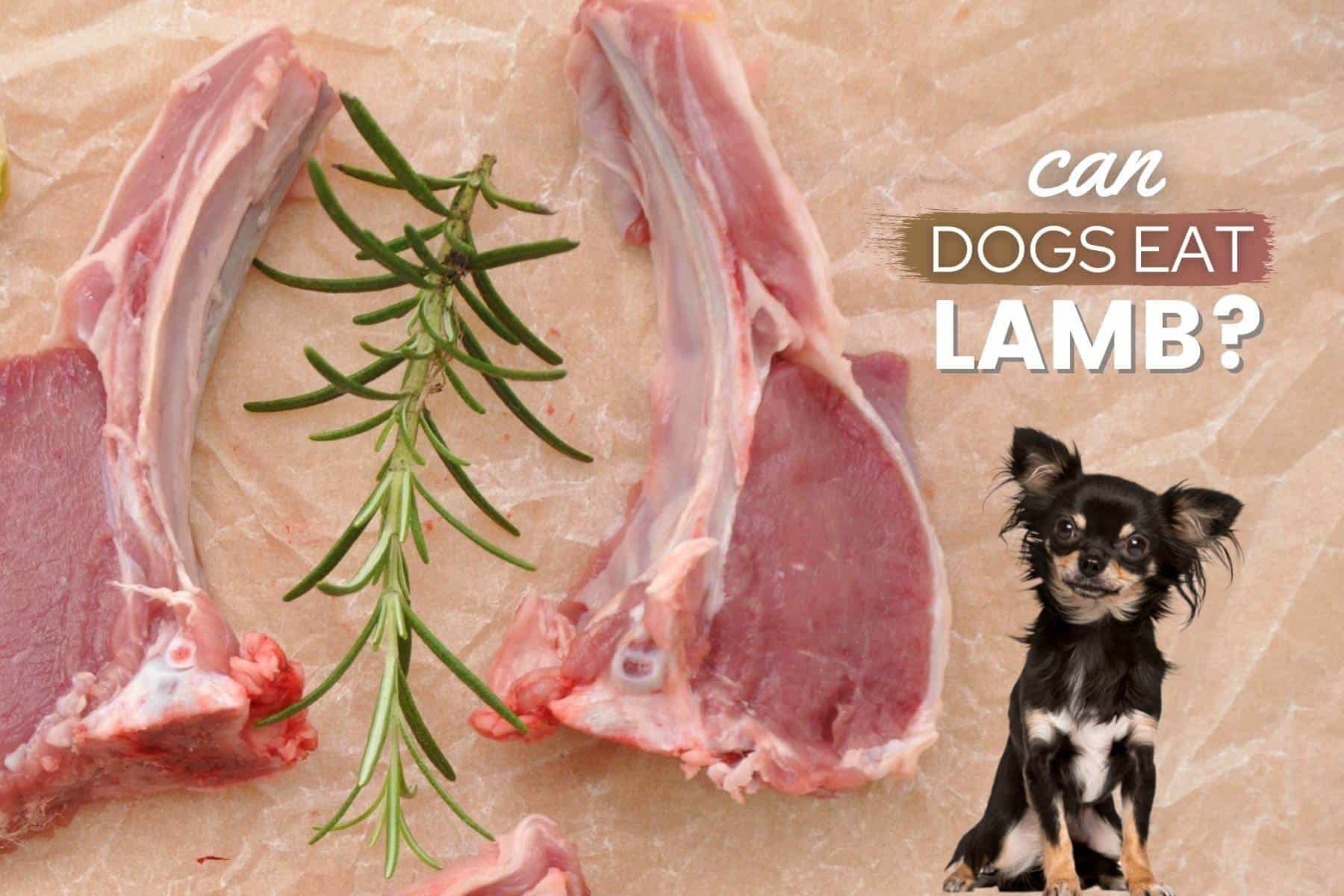
There are also a plethora of dental chews and edible bones available on the market that are specifically formulated for safety and dental health. These can provide a satisfying chewing experience without the inherent dangers of cooked bones. Look for products made from natural ingredients that are easily digestible and designed to be consumed.
In summary, while the instinct to share our delicious table scraps with our beloved dogs is strong, when it comes to cooked lamb bones, it’s a case of “better safe than sorry.” The risks of splintering, perforation, obstruction, and choking are simply too high to ignore. Opting for veterinarian-approved alternatives will ensure your dog gets the chewing satisfaction they crave without compromising their health and safety. Your dog’s wagging tail and healthy smile will thank you!