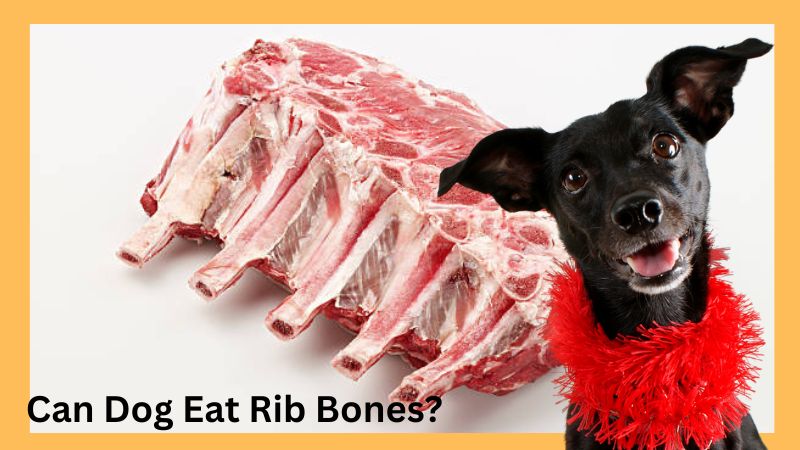
Can A Dog Eat Beef Rib Bones
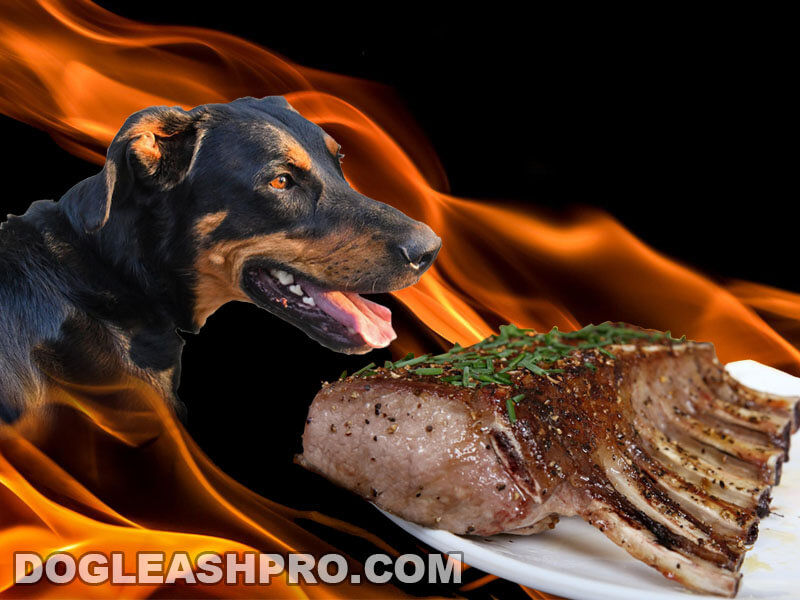
You know, I have this friend, bless her heart, who’s a total Pinterest mom for her dog. Like, organic, grain-free, hand-massaged kibble kind of mom. And one sunny afternoon, she was having a barbecue, and her golden retriever, Barnaby, was looking particularly wistful at the grilling beef ribs. She leans over to me, with this very serious expression, and asks, “Can Barnaby have a beef rib bone?” I swear, the way she asked it, I half expected a veterinarian to be standing by with a clipboard.
It got me thinking, though. It’s such a common question, right? That primal image of a dog gnawing happily on a bone. We see it in cartoons, in movies, even in our own childhood memories of family dogs. But then, the internet explodes with conflicting advice, and suddenly you’re paralyzed with indecision. Is it a wholesome, natural treat, or a potential trip to the emergency vet? Let’s dive into this bone-anza, shall we?
The Great Beef Rib Bone Debate: Friend or Foe?
So, the short answer, as with most things dog-related, is: it’s complicated. And before you even think about handing over that juicy rib bone, we need to have a little heart-to-heart about the “why” and the “what ifs.”
Must Read
Let’s start with the idea of dogs and bones. Dogs are descended from wolves, and wolves, well, they eat their prey, bones and all. So, there’s a natural instinct there. Gnawing on bones can be a fantastic way for dogs to keep their teeth clean, exercise their jaws, and frankly, entertain themselves for hours on end. Who doesn’t love a good chew toy, right? Especially when it smells like yesterday’s delicious barbecue.
But here’s where the ancestral diet starts to diverge from our modern-day realities. Wild wolves aren't typically chowing down on barbecue leftovers that have been cooked, seasoned, and probably have a few stray bits of sauce clinging to them. And that’s a crucial distinction.
Cooked Bones: The Big No-No (Usually)
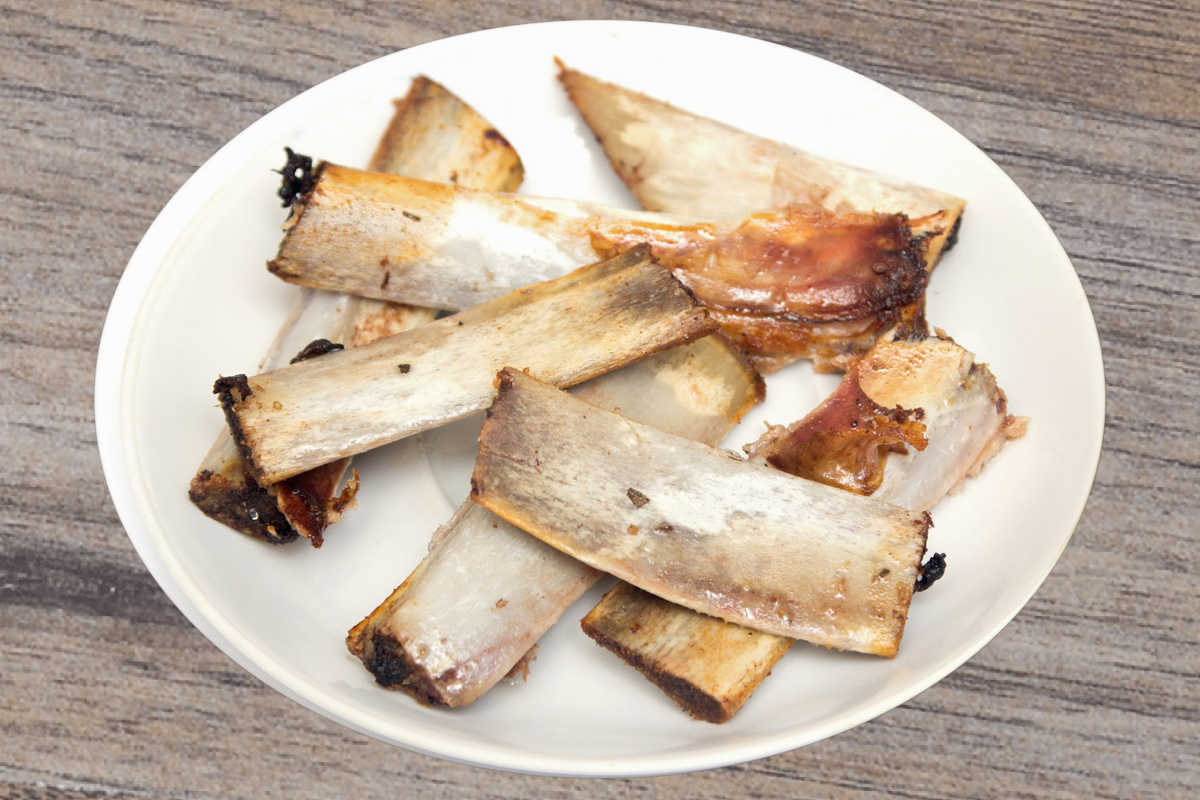
This is where we hit the biggest snag. When beef rib bones, or any other animal bones, are cooked, their structure changes. They become brittle. Imagine baking a piece of uncooked spaghetti versus boiling it. The cooked one snaps much more easily, right? The same principle applies to bones. Cooked bones, especially small, hollow ones like those from ribs, are far more likely to splinter and fracture.
And when they splinter, they can create sharp, jagged edges. These little shards can cause all sorts of trouble. We’re talking about potential:

- Mouth and tongue injuries: Ouch! A cut on your dog's tongue or gums is not only painful for them, but it's also a recipe for bleeding.
- Broken teeth: Gnawing too hard on a brittle bone can lead to chipped or broken teeth. Not fun, and definitely not cheap to fix.
- Choking hazards: Smaller pieces can easily get lodged in your dog's throat. This is a terrifying emergency situation that requires immediate veterinary attention.
- Internal damage: If swallowed, these sharp fragments can perforate the esophagus, stomach, or intestines. This is a serious, life-threatening condition that often requires surgery. Trust me, you do not want your furry friend to go through that.
- Constipation: Sometimes, large pieces of bone can lead to severe constipation or even a blockage. It's like trying to pass a very rough pebble.
So, that beautiful, char-grilled rib bone that looks so tempting? It’s probably a big fat no-go for your dog. Your friend Barnaby might have to admire the barbecue from a slightly more respectful distance.
What About Raw Bones? Are They Safe?
Okay, so cooked bones are generally out. But what about the raw ones? This is where the conversation gets a little more nuanced. Many proponents of raw feeding diets (like BARF – Biologically Appropriate Raw Food) include raw bones as a significant part of their dogs’ nutrition. And there’s certainly some logic to it.
Raw bones are typically softer and more pliable. They are less likely to splinter in the same dangerous way that cooked bones do. They provide excellent dental benefits, scraping plaque and tartar off teeth as your dog gnaws. Plus, the act of chewing itself is incredibly satisfying for a dog.
However, even with raw bones, there are still considerations:
Size Matters!
This is probably the most important factor after the cooked vs. raw debate. You should never give your dog a bone that is small enough for them to swallow whole. This goes for both raw and cooked, but it's especially critical for raw bones where the temptation to gulp might be higher. For beef rib bones, they are typically on the smaller side, which automatically puts them in a higher risk category, even if raw.
A good rule of thumb is that the bone should be larger than your dog’s muzzle. If they can get their whole mouth around it and still have it slide down their throat, it’s too small. Think about the breed and the dog’s chewing habits. A determined terrier might be able to break a larger bone into swallowable pieces, while a gentle giant might be perfectly safe with a bone that’s too large for a smaller breed.
The Type of Bone
While we’re talking about beef ribs, it’s worth mentioning that some bones are inherently riskier than others, regardless of whether they’re cooked or raw. Marrow bones from larger animals (like beef femur bones) are generally considered safer when raw, as they are denser and less prone to splintering. However, even these can pose a risk if the dog manages to break off large chunks.
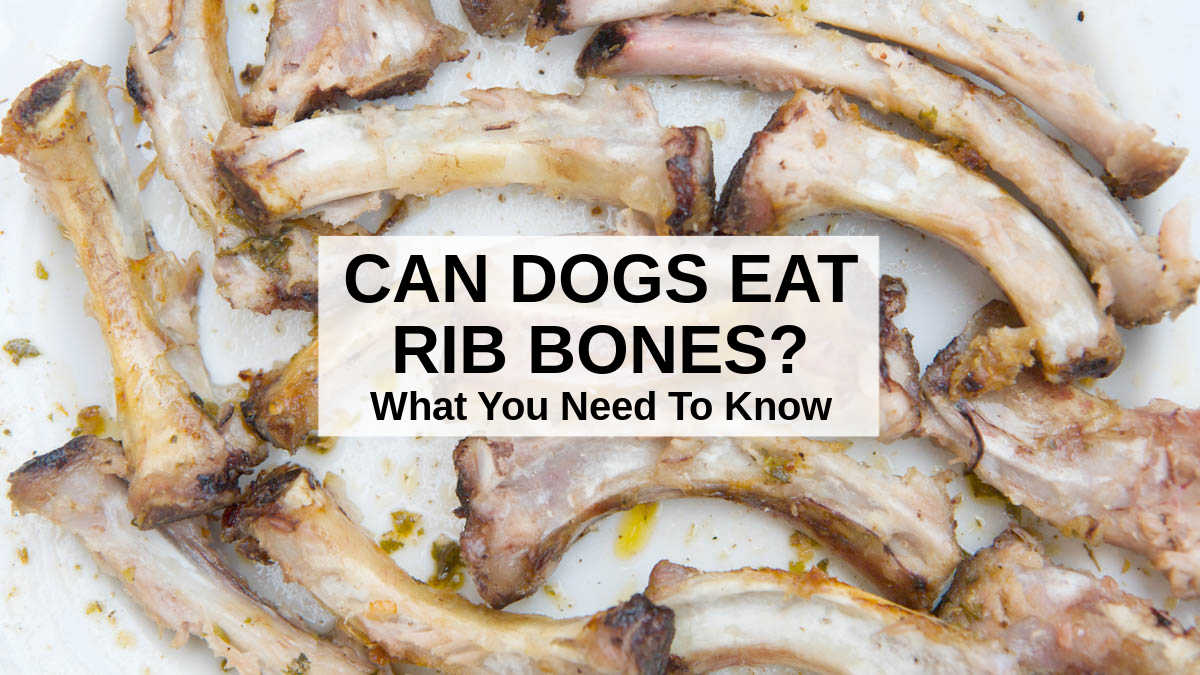
Small, porous bones like rib bones, chicken wings, or small fish bones are the ones that give owners and vets the most concern because of their fragility and tendency to splinter. So, even if you’re going the raw route, beef rib bones might still be a skip.
Supervision is Key
This is non-negotiable, folks. Never leave your dog unattended with a bone, whether it’s raw or cooked. You need to be there to observe their chewing behavior. Are they aggressively trying to break it into pieces? Are they gnawing it down to a size that looks concerning? Are they starting to choke? Your presence allows you to intervene if necessary.
Bacterial Concerns
Raw meat, and therefore raw bones, can carry bacteria like Salmonella and E. coli. While dogs have a more robust digestive system than humans, there’s still a risk of them contracting these bacteria, which can lead to illness. And, of course, they can also spread these bacteria to humans in the household, especially if they lick faces or share living spaces. It’s a hygiene consideration that’s often overlooked.
So, Back to Barnaby and His Rib Bones…
Given all of this, my advice to my friend was, and still is: lean towards caution with cooked beef rib bones. They’re simply too brittle and too likely to cause internal damage or choking hazards. The risk often outweighs the reward.
If she were considering raw bones, I'd preface it with a huge emphasis on size, supervision, and the specific type of bone. And even then, I’d probably gently suggest that beef rib bones, due to their smaller size and inherent brittleness, might not be the best starting point for a raw bone treat. There are other, potentially safer, raw bone options out there if she’s really committed to that path.
It’s all about finding that sweet spot between giving our dogs natural, satisfying chews and ensuring their safety and well-being. Sometimes, the most loving thing we can do is say “no” to that tempting, but potentially dangerous, treat.
What Are Some Safer Alternatives?
If your dog is a serious chewer and you want to give them something that satisfies that urge, there are loads of safer options available. Have you guys explored things like:
- Dental chews: Many brands offer specially designed chews that help clean teeth and freshen breath.
- Nylon bones: These are durable and designed for aggressive chewers, though some dogs can still break off pieces, so supervision is still a good idea.
- Antlers: Split or whole antlers can be a fantastic, long-lasting chew. Just make sure they’re appropriately sized and that your dog isn't cracking their teeth trying to gnaw them.
- Benebones or Nylabones: These are made of tough nylon and come in various flavors and shapes. They're generally very safe and durable.
- Large, raw, whole marrow bones: If you decide to go the raw bone route, and after doing thorough research, larger, denser bones from reputable sources, under strict supervision, might be considered. But again, this requires a lot of homework and careful observation.
Ultimately, every dog is an individual. Some dogs are super gentle chewers, while others approach a chew toy like a demolition expert. Knowing your dog’s personality and chewing habits is paramount. And when in doubt, always err on the side of caution and consult your veterinarian. They’ve seen it all, and they can offer personalized advice for your specific dog.
So, next time you’re at a barbecue and your furry friend is giving those beef ribs the puppy-dog eyes, you’ll know exactly what to do. It’s not about depriving them; it’s about keeping them happy, healthy, and bone-chomping for years to come, in the safest way possible. And that, my friends, is the ultimate win-win!