Can A Dental X Ray Show Cancer

Ah, the humble dental X-ray! For some, the mere mention conjures up images of crinkly lead aprons and a strange, slightly metallic taste. But let's be honest, there's a certain satisfaction in knowing your dentist is getting a peek behind the curtain, checking on those pearly whites and the hidden structures that keep them firmly in place. It’s like a secret mission for your mouth, all in the name of good health! We visit the dentist for check-ups, and part of that routine often involves these fascinating snapshots of our dental landscape.
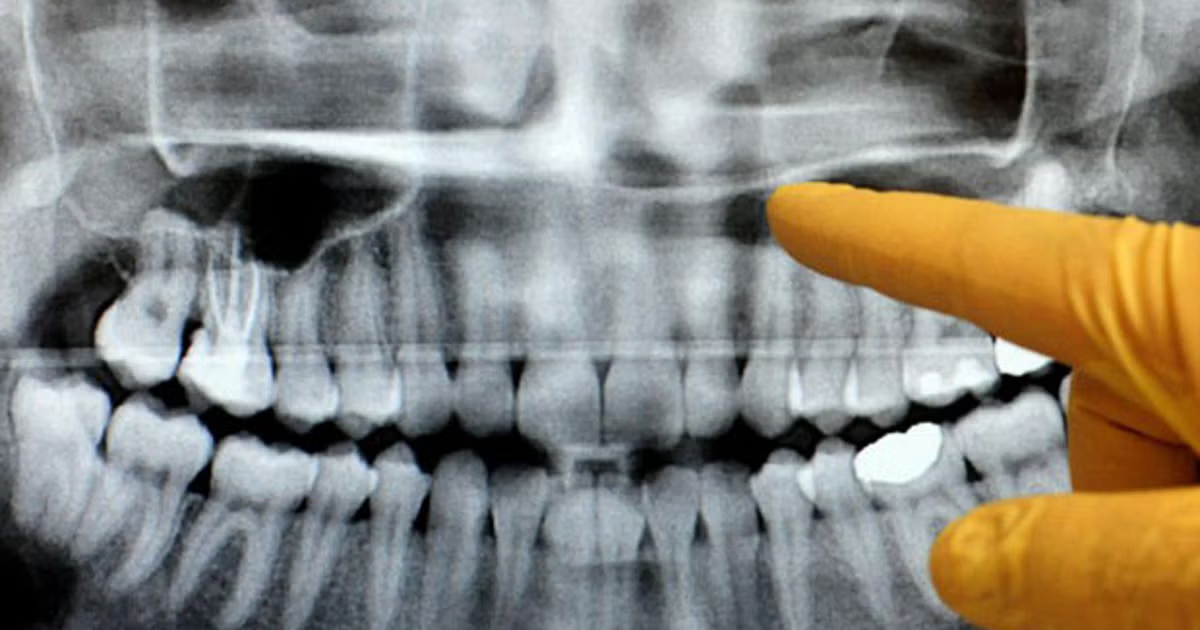
The primary purpose of a dental X-ray is to reveal what the naked eye simply cannot see. Think of them as your dentist's superpower for detecting problems that are brewing beneath the surface. They help identify cavities that might be forming between teeth or under existing fillings, assess the health of your jawbone, and check for any abnormalities in your tooth roots or surrounding tissues. This early detection is absolutely crucial for preventing more serious issues down the line, saving you pain, time, and money.
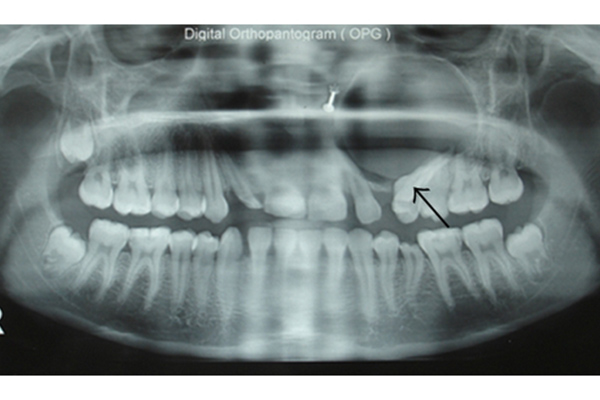
You've likely experienced various types of dental X-rays. The most common is the bitewing X-ray, where you gently bite down on a small film to capture images of the crowns of your upper and lower teeth. Then there are periapical X-rays, which show the entire tooth, from the crown to the root tip, and the bone that supports it. For a broader view of your entire mouth, including your jaw and skull, dentists might use a panoramic X-ray. These are all everyday applications designed to give your dentist a comprehensive understanding of your oral health.
Must Read
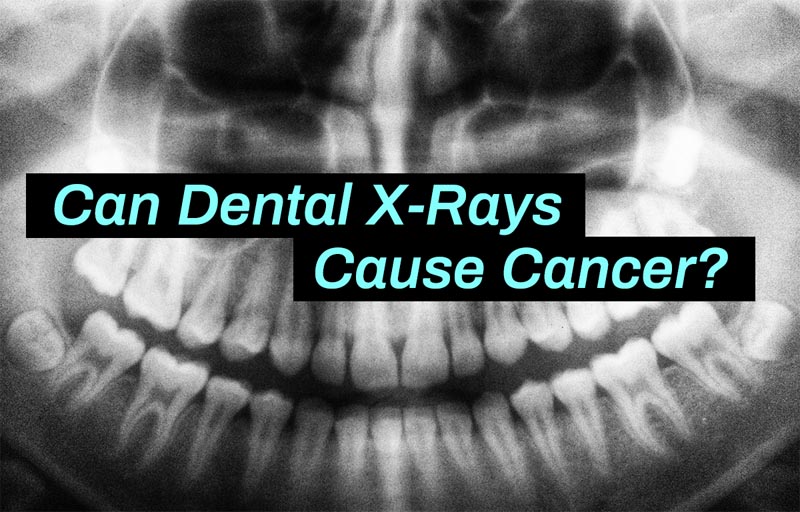
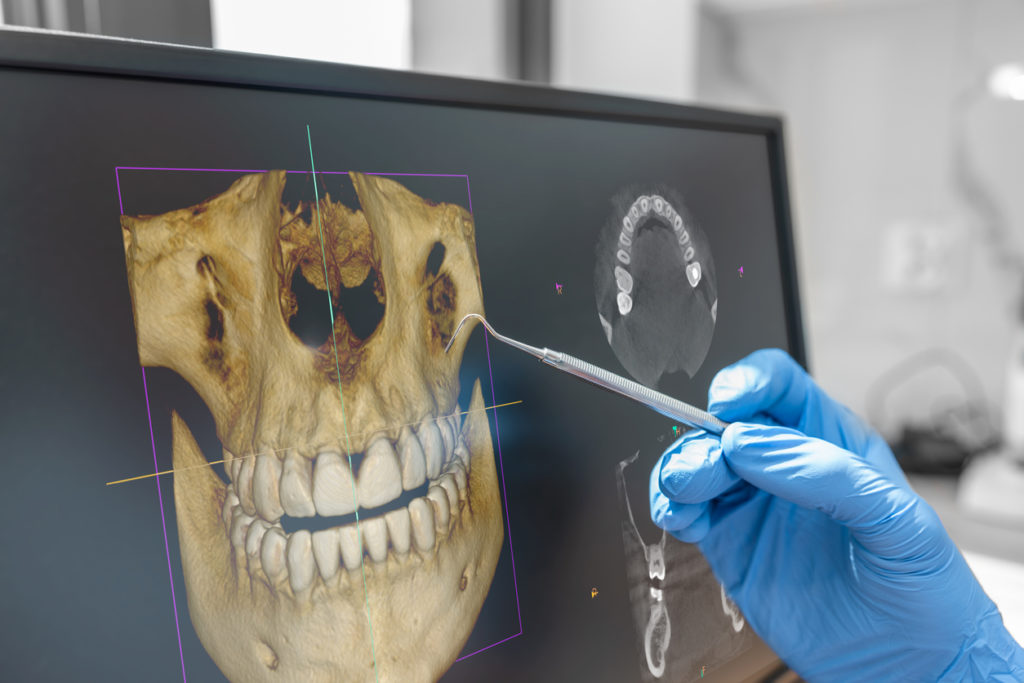
Now, about that burning question: Can a dental X-ray show cancer? The direct answer is a bit nuanced. Dental X-rays are primarily designed to detect issues related to teeth and bone structure. However, they can sometimes reveal suspicious signs that might warrant further investigation by a medical professional. For instance, an X-ray might show an unusual shadow or a change in bone density in the jaw that doesn't look quite right. These findings are not a diagnosis of cancer, but rather a red flag that prompts your dentist to recommend additional medical tests or a referral to a specialist. It's a crucial part of the early detection process, acting as a helpful, albeit indirect, tool.
To get the most out of your dental X-ray experience, here are a few practical tips. First, stay calm and relaxed. The process is quick, and the lead apron offers excellent protection. Second, don't hesitate to ask your dentist questions. If you're curious about what they're looking for or what the images reveal, your dentist is happy to explain. Understanding the process can make it feel less daunting. Finally, remember that these X-rays are a vital part of your overall health routine. Think of them as a proactive step towards maintaining a healthy smile and catching potential problems early. So, next time you're in the dental chair for an X-ray, embrace it as a small but mighty tool in your wellness arsenal!