
Best Wood To Burn On Log Burner
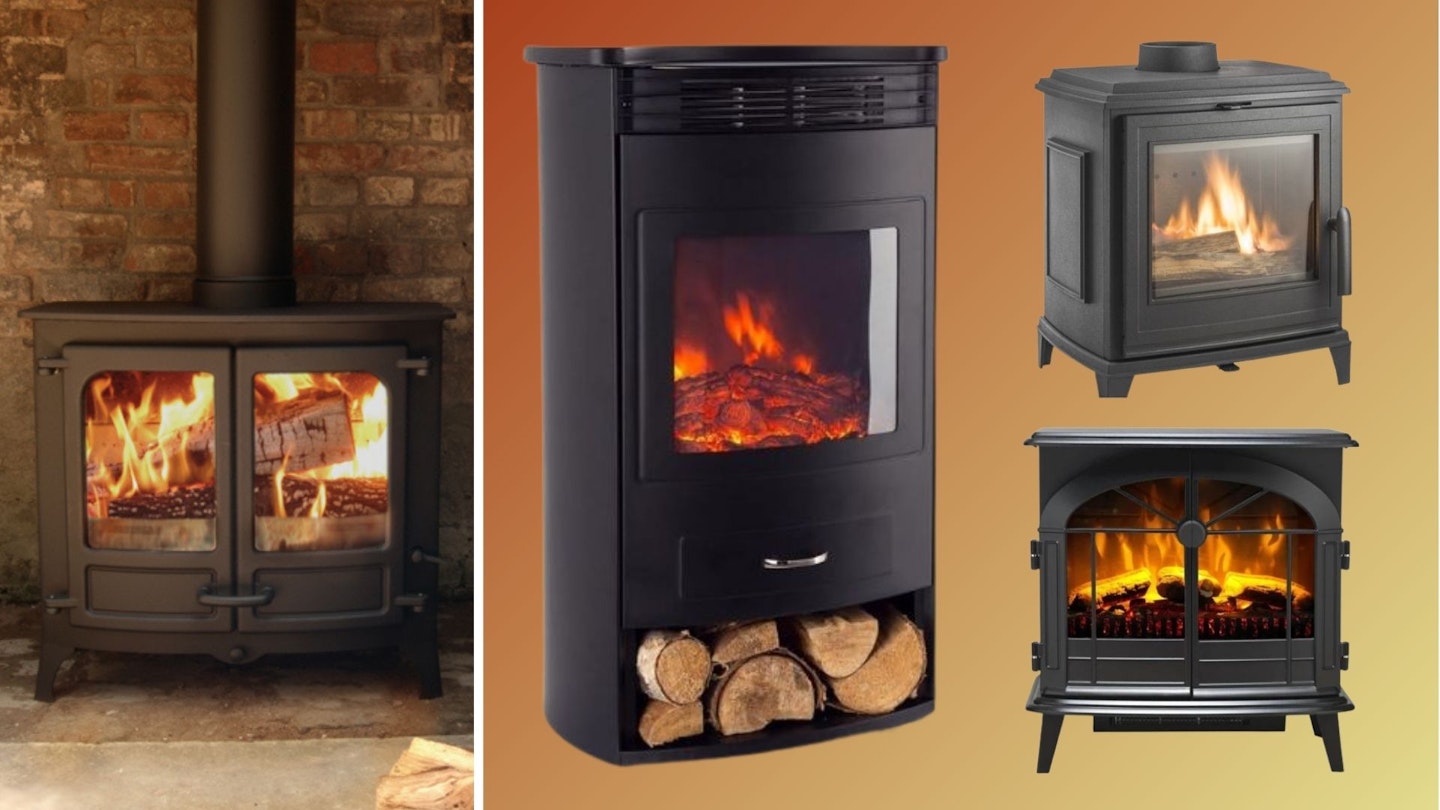
So, you’ve got yourself a log burner, huh? Fancy! Whether it’s a sleek modern marvel or a rustic old-school charmer, that cozy glow is just chef’s kiss. But here’s the burning question (pun intended!): what logs should you actually be chucking into that glorious firebox? Don’t worry, mate, we’re about to dive into the wonderful world of wood fuel. It’s not as complicated as it sounds, and soon you’ll be a bona fide log-burning guru, impressing all your mates with your fiery expertise. Get ready to make your hearth the heart of the home, all thanks to the right wood!
Let’s get one thing straight from the get-go: not all wood is created equal when it comes to log burners. Think of it like choosing your ingredients for a gourmet meal. You wouldn’t throw just any old thing into your pot and expect a Michelin-star dish, would you? Same goes for your fire. Using the wrong kind of wood can lead to a smoky, sputtering mess, a chimney that’s more tar than terracotta, and a general sense of disappointment. And nobody wants a disappointing fire, especially when it’s doing its darnedest to keep you toasty.
The golden rule, the absolute king of wood-burning, is seasoned hardwood. Now, I know, “seasoned” sounds like you’re marinating your logs for a dinner party, but it’s actually way simpler. Seasoned wood just means it’s been dried out properly. We’re talking wood that’s been left to air dry for at least a year, and ideally two. Why is this so important? Because wet wood is a disaster. It’s full of moisture, and when you try to burn it, all that energy goes into trying to evaporate that water instead of giving you a nice, hot flame. It’s like trying to run a marathon with a bucket of water strapped to your back – exhausting and not very effective.
Must Read
So, what exactly is hardwood? Think of trees that have broad leaves and, generally, grow slower. These trees pack more oomph into their wood. They’re denser, meaning they burn hotter and for longer, giving you that sustained, beautiful flame we all crave. Plus, they produce fewer sparks, which is always a good thing when you’ve got fabric soft furnishings nearby. Nobody needs a rogue spark turning your favourite cushion into a modern art installation!
Top of the hardwood pops list is Oak. Oh, Oak, you magnificent beast! Oak burns beautifully, giving off a lovely, steady heat for ages. It’s a bit of a slow starter, mind you. You might need a bit of kindling and some faster-burning wood to get it going, but once it’s roaring, it’s a marathon runner of the fire world. The downside? Oak can be a bit pricier, and it takes a *long time to season. So, if you’re buying, make sure it’s properly seasoned. If you’re harvesting, start thinking about it now for a fire next winter!
Then we have Ash. Ash is another fantastic choice. It’s a bit more forgiving than Oak and often burns even when it’s not perfectly seasoned, though we still recommend the proper drying. Ash produces a good amount of heat and a lovely flame. It’s also known for being quite clean burning, which is a bonus for your chimney’s health. Think of Ash as the reliable, all-rounder friend of the wood-burning world. Always there for you, always performing well.
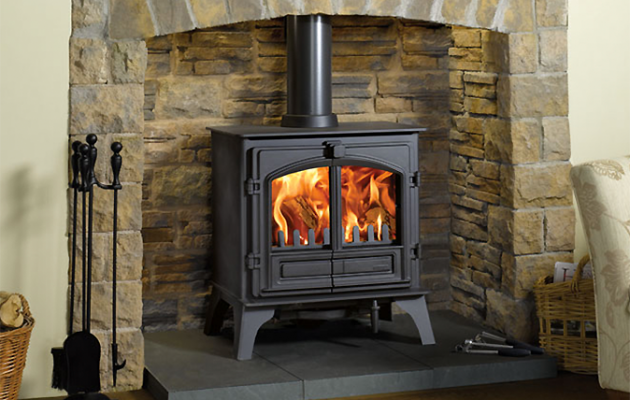
Don't forget about Birch! Birch is a bit of a speed demon when it comes to starting. It catches alight really easily and burns brightly with a beautiful, slightly blue flame. It’s great for getting your fire going quickly or for when you just need a quick burst of heat. However, it does burn a bit faster than Oak or Ash, so you might find yourself feeding it a little more often. It’s the sprint champion of the wood world, perfect for those moments when you need instant gratification.
And what about Beech? Beech is another heavyweight contender. It’s dense, burns hot, and lasts a good long time. It's very similar to Oak in its burning characteristics, offering a consistent and powerful heat output. It’s a solid, dependable choice that won’t let you down. If you see Beech logs on offer, snap them up – you won’t regret it.
Now, let's touch on some other hardwoods that are perfectly good options. Sycamore is a decent choice, burns well and gives good heat. Maple, similar to Sycamore, offers a good, consistent burn. Basically, if it’s a hardwood and it’s properly seasoned, you’re generally onto a winner. It’s like a happy wooden family reunion around your fire.

So, that’s the good stuff. Now for the stuff to avoid like a burnt offering at a barbecue. First up, softwood. Think pine, fir, spruce, all those lovely-smelling trees that grow quickly. They’re called softwood for a reason – they’re less dense. This means they burn much faster and produce less heat. You’ll be running to the woodpile every ten minutes, and your wallet will weep.
But the real problem with softwood isn’t just its quick burn. It’s the resin. Softwoods are packed with resin, which is basically sticky tree sap. When you burn this resin, it turns into creosote, and creosote is the arch-nemesis of your chimney. It’s a tarry substance that sticks to the inside of your chimney walls. Over time, this builds up, becoming a serious fire hazard. A chimney fire isn’t just inconvenient; it’s dangerous and can cause significant damage to your home. So, while softwood might smell nice when it burns, it’s a big no-no for your log burner.
What about treated wood? This includes things like old fence posts, railway sleepers, or any wood that’s been painted, varnished, or stained. Absolutely, unequivocally, DO NOT BURN TREATED WOOD. When you burn treated wood, you’re releasing all sorts of nasty chemicals into the air. We’re talking chemicals that are bad for your health, bad for the environment, and bad for your log burner. It’s like smoking a pack of cigarettes with every log. Don’t do it. Your lungs will thank you.
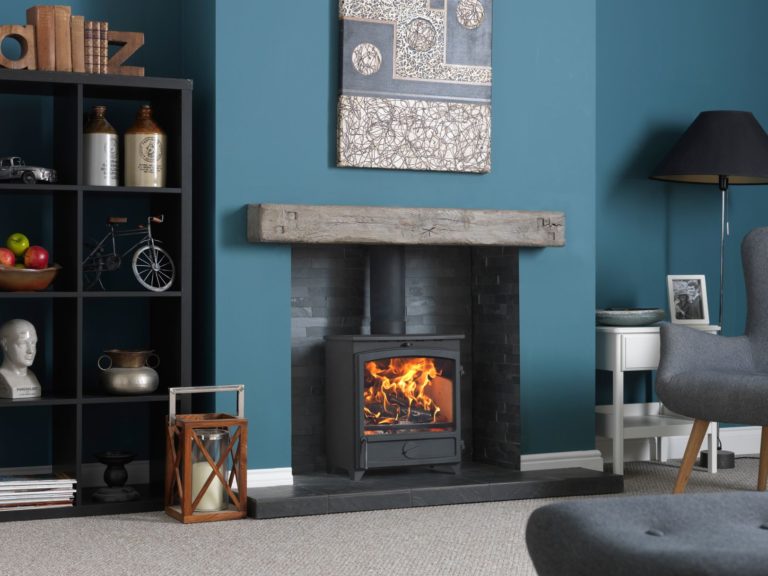
Then there’s damp or green wood. We touched on this earlier, but it bears repeating because it’s so important. If the wood isn’t dry, it’s going to cause you grief. It will smoulder, smoke excessively, and produce very little heat. You’ll be using a lot more wood to get any sort of warmth, and you’ll be contributing to creosote build-up. It’s a lose-lose situation. Look for cracks on the ends of the logs; that’s a good sign it’s drying. It should also sound hollow when you knock two logs together, not thuddy.
And let’s not forget about man-made materials. Cardboard, rubbish, plastics, old magazines… none of these belong in your log burner. They burn with toxic fumes, produce a lot of ash, and can damage your stove. Think of your log burner as a discerning diner; it only wants the finest natural produce. No fast food allowed!
Okay, so we’ve covered the good, the bad, and the downright dangerous. Now, let's talk about storage. You've bought or gathered your lovely, seasoned hardwood. Hooray! But if you don't store it properly, it'll just turn back into damp wood. The key is to keep it dry and well-ventilated. A log store is ideal, but even a simple sheltered spot with good airflow will do. Stack your logs off the ground to prevent moisture wicking up from the soil. A tarp can be useful to keep off the worst of the rain, but make sure the sides are open for ventilation. You don't want to trap moisture in.
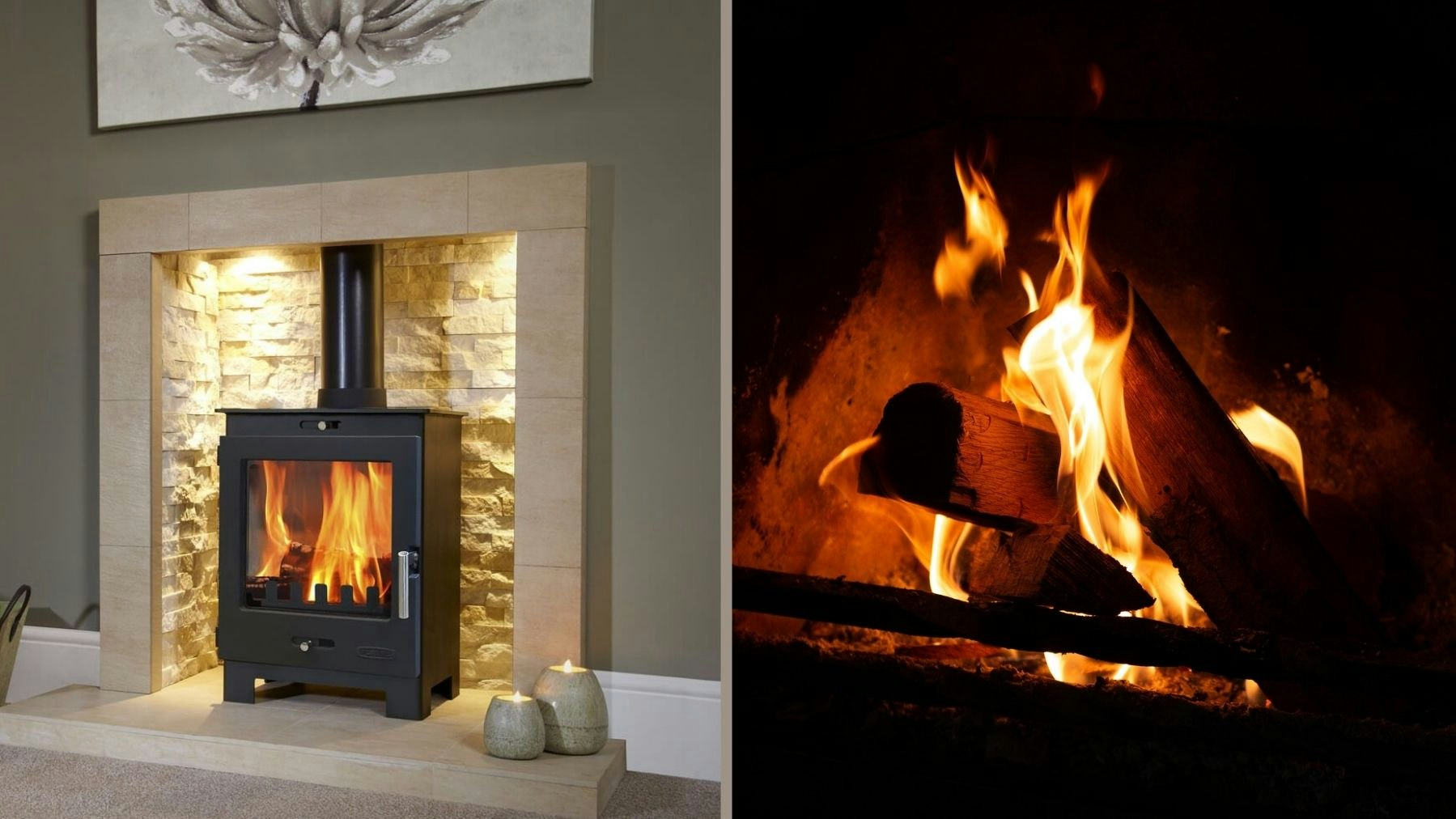
When you're ready to burn, bring your logs inside for a day or two beforehand. This helps them dry out any residual moisture from being outside, even if they’re already seasoned. It’s like giving them a little pre-game warm-up. And remember to build your fire properly. Start with a good base of kindling, add small pieces of softwood (just for starting, remember!), and then gradually introduce your seasoned hardwood. Don’t smother your fire; give it air to breathe. A happy fire is an oxygen-fed fire!
So, what’s the takeaway from all this woodsy wisdom? It’s simple, really. Choose seasoned hardwood for your log burner. Think Oak, Ash, Beech, Birch. Avoid softwood, treated wood, and anything that isn’t 100% natural, dry timber. Keep your wood dry and well-ventilated, and your log burner will reward you with cozy warmth and a beautiful, inviting flame.
And honestly, isn’t that what it’s all about? That feeling of coming home on a chilly evening, kicking off your shoes, and watching the flames dance. The gentle crackle, the radiating warmth, the way it transforms a room into a sanctuary. It’s more than just heat; it’s about creating a mood, a feeling of comfort and togetherness. By choosing the right wood, you’re not just fueling a fire; you’re crafting an experience. You’re bringing a little bit of the wild, the natural, and the truly comforting into your home. So go forth, my friend, armed with this knowledge, and make every fire a roaring success. May your hearth be forever warm and your winters delightfully cozy!

