Best Time To Go To Mexico City
I remember my first trip to Mexico City like it was yesterday. It was late October, and I’d booked my flight on a whim, seduced by ridiculously cheap airfare and the promise of tacos al pastor that were supposedly legendary. I pictured myself wandering through ancient ruins under a blazing sun, sipping margaritas by a turquoise sea. Oh, how naive I was. My first impression wasn't exactly turquoise seas; it was… well, a bit of a misty, cool breeze and a sky that was more overcast than blazing. Delicious tacos? Absolutely. But the weather? It wasn't what I'd envisioned, and it got me thinking: when is the absolute best time to dive headfirst into this sprawling, vibrant metropolis?
And that, my friends, is precisely what we’re going to unpack today. Because Mexico City, unlike a postcard-perfect beach resort, has layers. It’s a city that demands a little more… strategic planning. You can have an amazing time pretty much any time of year, no lie. But if you’re like me and you like to optimize your travel experiences, then understanding the subtle nuances of its climate and events can make all the difference between a good trip and an unforgettable one. So, grab your (virtual) coffee, settle in, and let's talk about the sweet spot for visiting CDMX.
First things first, let's tackle the elephant in the room: the weather. Mexico City sits at a surprisingly high altitude – over 7,300 feet! This means you’re going to experience a climate that’s generally temperate, but with some distinct rainy and dry seasons. Think of it less like the sweltering Caribbean and more like a perpetual spring or early autumn in some parts of the world.
Must Read
The Golden Window: Dry and Delightful
If you’re asking me for the definitive best time, the answer usually leans towards the dry season. And within that, the absolute sweet spot for many travelers is from November through April. Why is this period so highly prized? Well, it’s simple: less rain, more sunshine, and pleasant temperatures.
Let’s break it down a little further.
November and December: Festive Vibes and Cooler Air
Ah, November and December. This is when Mexico City really starts to sparkle. The air begins to cool down noticeably after the summer rains, making it incredibly comfortable for exploring. Imagine strolling through Chapultepec Park without breaking a sweat, or spending hours lost in the zocalo, soaking up the history and the atmosphere. The daytime temperatures are usually in the comfortable low to mid-70s Fahrenheit (around 20-23°C), while the evenings can get a bit crisp, often dipping into the 50s (10-15°C). So, definitely pack layers! A light jacket or sweater is your best friend here.
And the vibe? It’s electric. November brings Día de Muertos celebrations, a truly unique and visually stunning experience that, while technically starting at the end of October, often spills into the beginning of November. You’ll see incredible altars, vibrant marigolds, and a profound sense of remembrance and festivity. Then, as December rolls around, the city bursts into Christmas and holiday spirit. You’ll find beautifully decorated streets, lively posadas (traditional Christmas celebrations), and the famous Monumental Christmas Tree in the Zocalo, if you're lucky enough to catch it. It's a magical time, honestly, and the cooler weather makes enjoying all these outdoor festivities a dream.
This is also a great time if you’re looking to avoid the peak summer crowds. While it’s certainly popular, it doesn’t typically reach the absolute frenzy of certain other seasons.
January and February: Crisp Air and Clear Skies
Moving into January and February, the weather remains pretty much perfect. The air is often incredibly crisp and clean, and the skies are usually a brilliant, uninterrupted blue. This is your prime time for that iconic Mexico City sunshine. Think bright, clear days ideal for visiting outdoor markets like La Ciudadela, exploring the ruins of Teotihuacan (just a day trip away!), or simply enjoying a leisurely breakfast on a sunny terrace.
Temperatures are similar to November and December, perhaps a touch cooler on average, but still very manageable. You'll likely still need that jacket for evenings, but your daytime explorations will be met with glorious sunshine. This is also a fantastic time for photography, with the clear light really making the vibrant colors of the city pop. Don't forget your sunscreen, though! Even with the cooler temperatures, the high altitude means the sun can be surprisingly strong. Seriously, I’ve learned this the hard way more than once.
And the best part? This period is generally considered the least rainy part of the year. So, if your travel plans hinge on outdoor activities and minimal risk of your itinerary being rained out, January and February are your golden tickets. You’re practically guaranteed a dry, pleasant experience.
March and April: Spring Blooms and Warming Up
As we inch towards spring, March and April offer a lovely transition. The temperatures start to warm up a bit more, but it's still far from stifling. You'll experience pleasant daytime highs, often in the mid-70s to even touching the low 80s Fahrenheit (around 23-28°C). The evenings remain comfortable, requiring a light layer. It's a really sweet spot where you’re getting the benefits of the dry season but with a slightly more relaxed, less chilly feel.
:max_bytes(150000):strip_icc()/best-time-to-visit-mexico-1588985-final-5c4f2a4646e0fb00014c3793.png)
The city often starts to bloom in March and April, with flowers appearing in parks and along boulevards. It’s a visually beautiful time. And importantly, the risk of rain remains low. You're still firmly in the dry season.
However, there’s a small caveat. Easter (Semana Santa) often falls within March or April. If your travel dates coincide with Semana Santa, be aware that this is a major holiday period for Mexicans. Many locals will be traveling within the country, so popular destinations can get very crowded, and transportation might be more challenging to book. Hotels can also see a significant price hike. So, if you’re looking for a more laid-back experience, it might be wise to avoid the exact week of Easter. But if you’re keen to experience this significant cultural event, then by all means, go for it!
The Shoulder Seasons: A Good Compromise?
Now, what about the times outside of that prime November-April window? Are they entirely off-limits? Absolutely not! Mexico City is a year-round destination, and the shoulder seasons can offer some distinct advantages, especially if you’re on a tighter budget or prefer fewer crowds.
May and June: The Hint of Rain
May and early June are when the weather starts to shift towards the rainy season. This doesn't mean constant downpours, though. It usually means you can expect afternoon showers. Think of them as brief, intense bursts of rain that clear up relatively quickly, often followed by sunshine. The temperatures are also warming up significantly during these months, making it feel more tropical than the earlier dry season. Daytime highs can easily reach into the high 70s and low 80s Fahrenheit (around 26-28°C).
The upside? You’ll often find slightly lower prices for flights and accommodation compared to the peak dry season. And while there’s a higher chance of rain, it's usually not enough to derail a full day of sightseeing. You just need to be a bit more flexible with your schedule and perhaps have a good book handy for an indoor cafe if a sudden shower hits. Plus, the city is lush and green after the first rains begin.
/GettyImages-545489580-e95a1093ff304748b74dbd271a9c818f.jpg)
September and October: The End of Rain and Festive Beginnings
These two months mark the transition back into the dry season. September is often the rainiest month, but again, this typically means afternoon thunderstorms, not all-day deluges. By October, the rain starts to subside significantly, and the weather becomes increasingly pleasant. The temperatures are still quite warm, similar to May and June, but the humidity often decreases as you move into October.
This is also a fantastic time if you’re interested in the lead-up to Día de Muertos. While the main celebrations are at the very end of October and beginning of November, you’ll start to see decorations and preparations in the city in late October, which can be fascinating to witness.
The key here is flexibility. If you can tolerate the occasional afternoon shower and are looking for potentially better deals and fewer crowds, September and October are definitely worth considering. Just be prepared for that possibility!
The Rainy Season: Embrace the Elements?
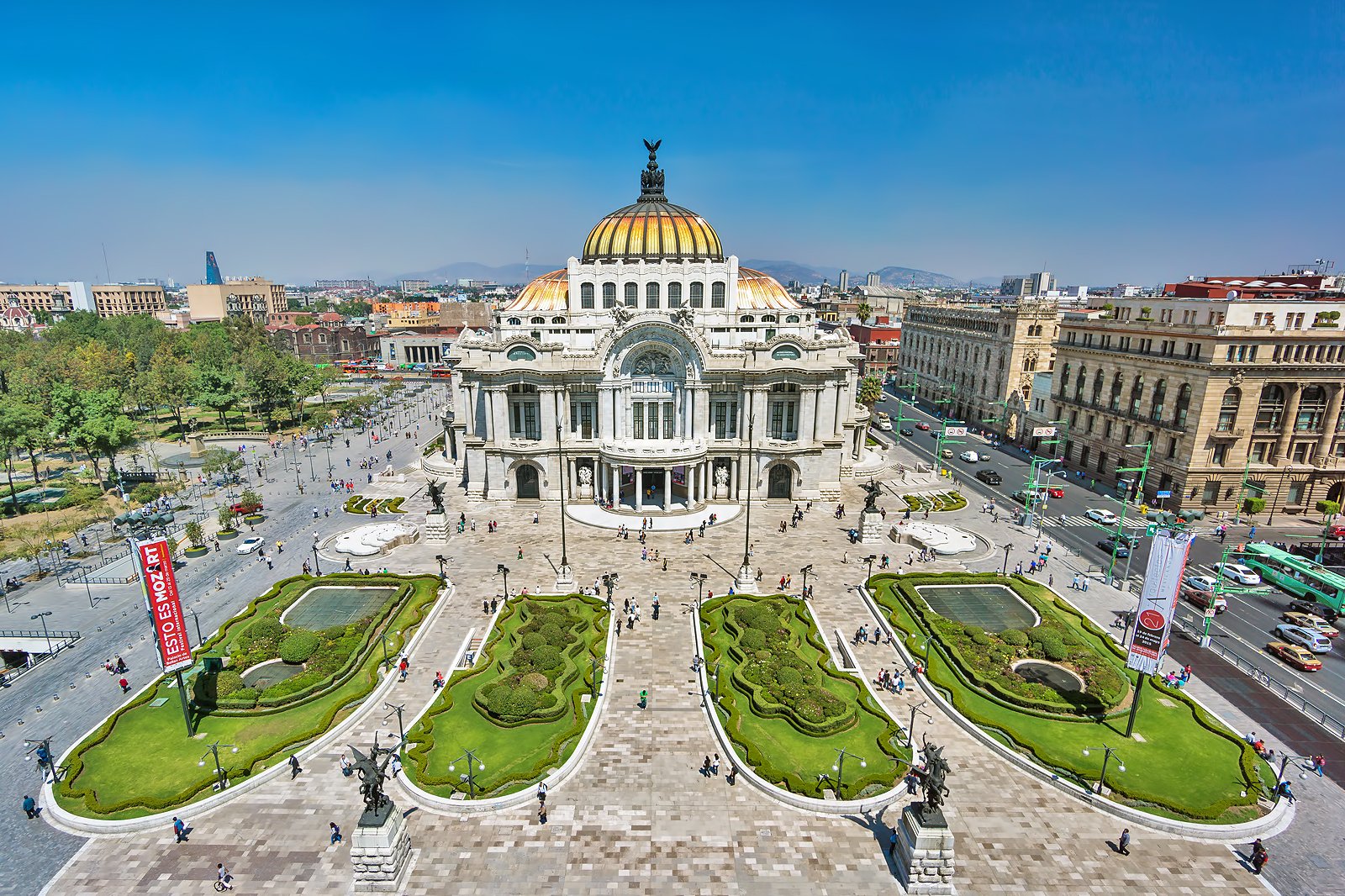
Finally, let's talk about the heart of the rainy season: July, August, and September (though September is often the wettest). As I’ve mentioned, the rain typically comes in the form of heavy afternoon showers. This means your mornings are often clear, sunny, and perfect for exploring. You might have a beautiful morning at the Floating Gardens of Xochimilco or exploring the murals of the Palacio de Bellas Artes, only for the skies to open up in the afternoon.
So, why would you go during the rainy season? Well, the city is incredibly green and vibrant. The temperatures are warm but not oppressively hot, and the rainfall often brings a welcome coolness. And, crucially, this is generally considered the off-season. This means you’re likely to find the best deals on flights and hotels. If you’re a budget traveler, this is your time to shine!

You just need to adjust your mindset. Plan your outdoor activities for the morning. Pack a reliable umbrella or a lightweight rain jacket. Embrace the cozy vibe of a cafe while the rain patters outside. Think of it as an opportunity to explore more museums, art galleries, or enjoy some of the city’s fantastic culinary scene indoors. And honestly, the afternoon showers are often dramatic and spectacular, a true display of nature’s power.
So, When Is The Best Time?
If I had to give you a single, definitive answer, it would be the dry season, specifically from November to April. This period offers the most consistent pleasant weather, with lower chances of rain and comfortable temperatures for exploring.
However, the "best" time is ultimately subjective and depends on your priorities:
- For the most consistently pleasant weather and fewer crowds (relatively): November, December, January, February.
- For warm weather with low rain chances and beautiful blooms: March, April.
- For good deals and a lush city, if you don’t mind afternoon showers: May, June, September, October.
- For the absolute best deals and don’t mind the rain: July, August.
- For experiencing unique cultural festivals: Late October (Día de Muertos), December (Christmas/Posadas).
My personal sweet spot? I’d probably lean towards late October for the start of Día de Muertos, then continuing into November. It's a magical time, the weather is starting to cool nicely, and you get that incredible cultural immersion. But honestly, I’ve enjoyed Mexico City in every month I’ve visited. It’s a city that has so much to offer, rain or shine, hustle or a more relaxed pace.
The most important thing is to just go. Don't let the weather charts paralyze you. Mexico City is an adventure waiting to happen, no matter the season. Pack your curiosity, your appetite, and maybe a slightly-too-heavy jacket for those crisp evenings, and you’re guaranteed to have an incredible time. Now, if you'll excuse me, I’m suddenly craving tacos al pastor...