Best Time Of Year To Visit Fiji

Hey there, fellow wanderlusters! So, you're dreaming of Fiji? Excellent choice, by the way. Picture this: turquoise waters so clear you can see your toes wiggling even when you're waist-deep, palm trees swaying like they're auditioning for a dance competition, and that warm, tropical breeze whispering sweet nothings. Ah, Fiji. It’s basically paradise found, right?
But like any good vacation, timing is everything. You don't want to get rained out your entire trip, or be sticky with humidity every second you're not in the ocean. So, let’s dish about the best time of year to soak up all the Fijian magic. Grab a virtual piña colada, and let’s dive in!
The Great Fiji Weather Debate: Dry Season vs. Wet Season
Alright, so Fiji, like many tropical destinations, has two main seasons: the dry season and the wet season. And spoiler alert: one is generally considered more "yay!" than the other for most visitors. It’s not a super complicated system, which is good news for us planners who’d rather be snorkeling than deciphering weather charts.
Must Read
Think of it like this: the dry season is your sun-drenched, no-sweat-on-your-brow kind of holiday. The wet season, well, it’s a bit more… damp. But hey, even a little rain can be romantic, and sometimes the trade-offs are worth it. We’ll break it all down, so you can pick the Fiji experience that’s perfect for you.
The Crown Jewel: Fiji's Dry Season (May to October)
If you ask me, and I know you are (virtually, at least!), the dry season is hands down the sweet spot for visiting Fiji. This is when the weather gods seem to be smiling their warmest, sunniest smiles. We're talking about gorgeous, clear blue skies for days, gentle breezes, and humidity levels that are actually… dare I say it… pleasant.
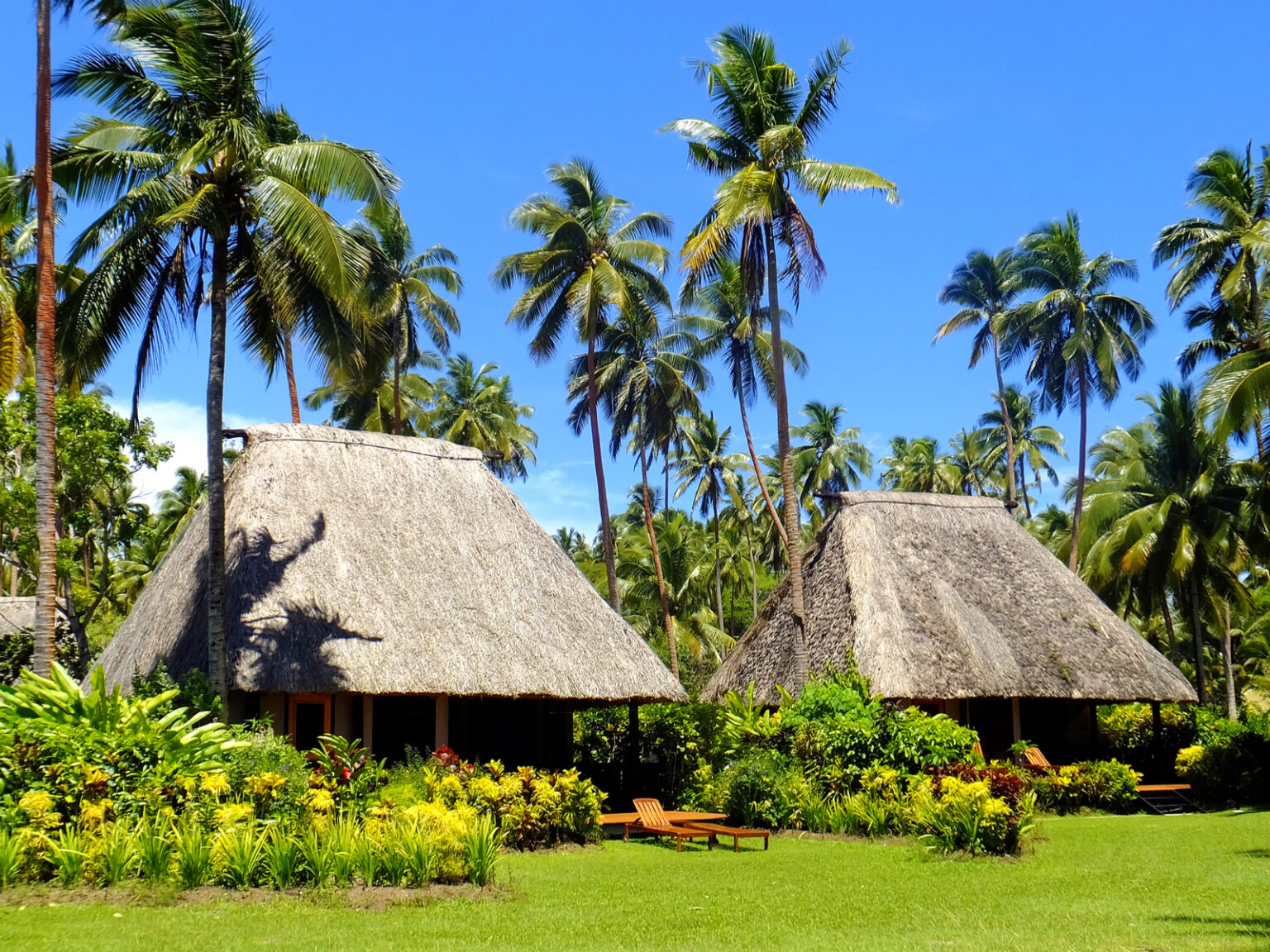
Imagine waking up to the sun streaming through your bungalow window, not a cloud in sight. You’ve got your flip-flops on before you even finish your coffee (which, by the way, is usually sourced locally and tastes divine). The days are perfect for exploring, for lounging by the pool, for that epic snorkeling adventure you’ve been dreaming of. No sudden downpours to interrupt your beach read. Bliss!
The temperatures during the dry season are also super comfortable. We’re talking averages in the mid-to-high 20s Celsius (around 77-82°F). It’s warm enough to feel like you’re in the tropics, but not so hot that you’re constantly seeking refuge in the air conditioning. Honestly, it’s the Goldilocks of Fiji weather – just right!
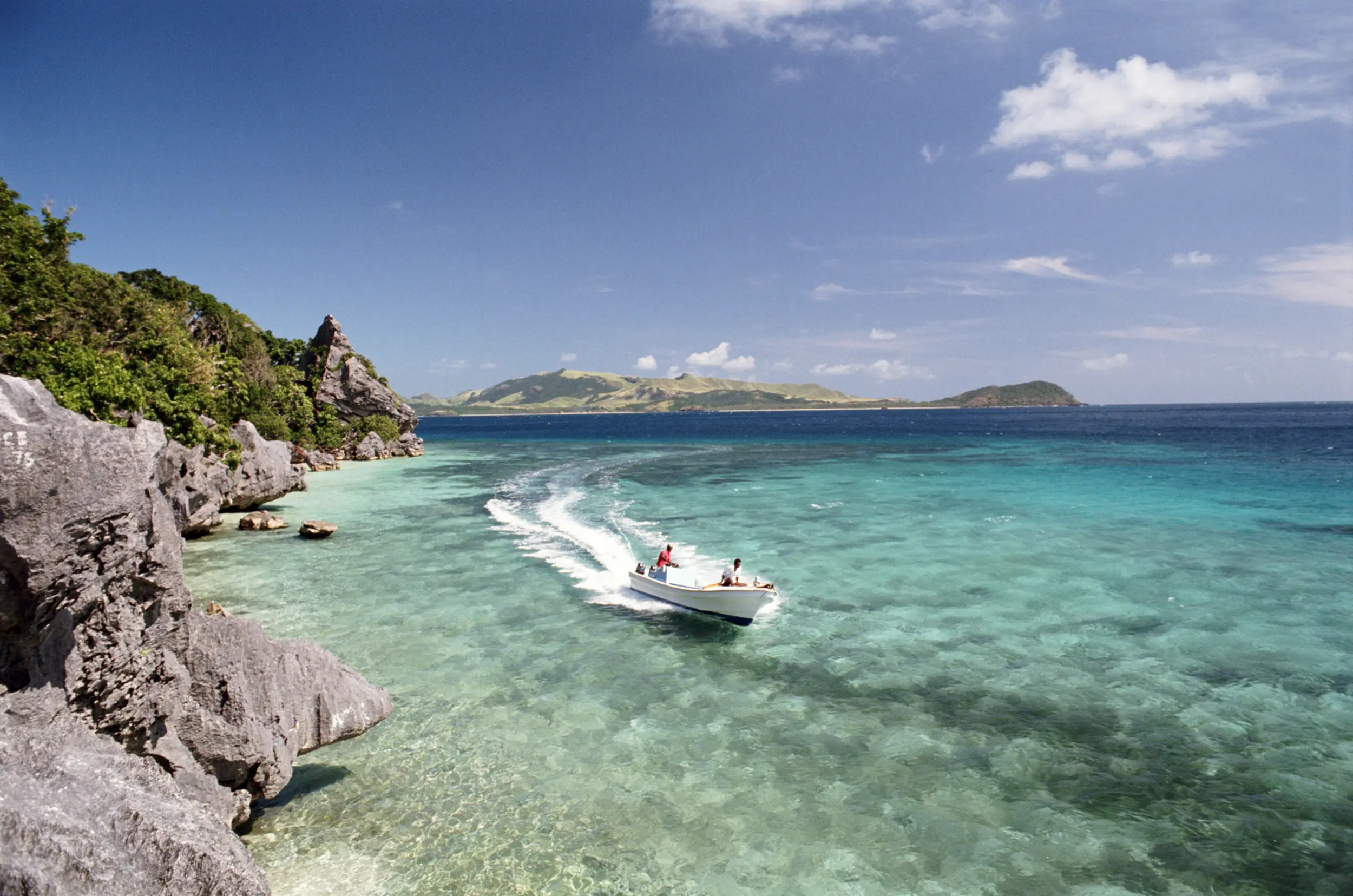
This is also when you’ll find the ocean to be at its calmest and clearest. If you’re into diving or snorkeling, this is your prime time. Visibility is usually excellent, and the water is delightfully warm. Think vibrant coral reefs teeming with colorful fish, and maybe even a friendly sea turtle or two cruising by. It’s like swimming in a National Geographic documentary, but, you know, you’re the star.
So, why isn't everyone going during the dry season? Well, there’s a little thing called demand. Because this is the ideal weather, it’s also the most popular time to visit. This means you’re likely to find higher prices for flights and accommodation, and the resorts and beaches might be a bit more crowded. If you’re on a tighter budget or prefer a more secluded experience, this is something to consider.
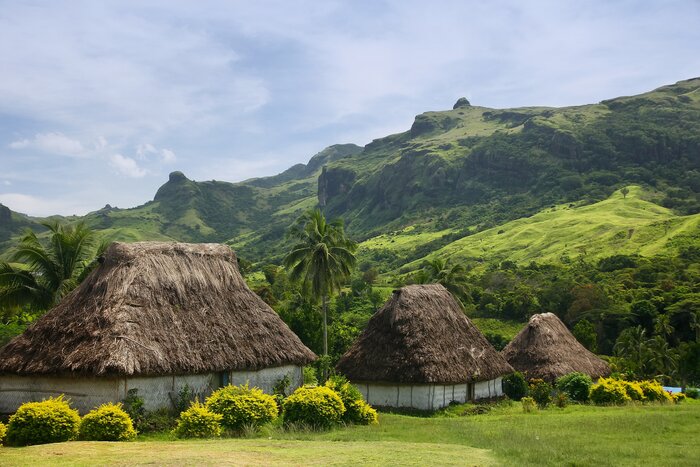
However, don't let that scare you off! "Crowded" in Fiji is often still pretty chill compared to other tourist hotspots. Plus, if you book in advance and are flexible with your dates within the dry season, you can still snag some great deals. And honestly, even with a few more people around, the sheer beauty of Fiji tends to shine through.
Key Months Within the Dry Season:
Within the dry season itself, you might wonder if there's a "super-duper" best month. Honestly, they’re all pretty fantastic. However, many people lean towards the shoulder months of the dry season:
May and June: These months mark the beginning of the dry season. The humidity starts to drop, the rains have largely said goodbye, and the temperatures are pleasantly warm. It’s a great time to visit before the peak season really kicks in.
September and October: These are the end of the dry season. The weather is still gorgeous, and you might find slightly better deals as the summer holidays in some parts of the world wrap up. It’s like getting the last rays of that perfect sunshine before the season gently shifts.
July and August: These are often considered the absolute peak of the dry season. The weather is at its most stable, and the temperatures are at their warmest within this period. If you want guaranteed sunshine and are okay with potentially higher prices and more fellow travelers, this is your window.
Pro Tip: If you're aiming for the dry season, book your flights and accommodation well in advance, especially if you’re planning to travel during July or August. Those beachfront bungalows get snapped up faster than free cocktails at happy hour!
The Lush and Lively: Fiji's Wet Season (November to April)
Now, let's talk about the wet season. Don't let the name make you run for the hills! While it’s true that this is the period when Fiji receives most of its rainfall, it’s not like it rains all day, every day. Think more along the lines of tropical showers. Often, these are intense but brief, usually happening in the afternoon or overnight.

The wet season is also known as the "warm season" or "green season." And trust me, it lives up to the "green" part. Everything is incredibly lush and vibrant. The islands are at their most beautiful, bursting with life and color. If you’re a nature lover, this can be a truly magical time.
Temperatures during the wet season are a bit warmer, averaging in the high 20s to low 30s Celsius (around 82-90°F). And yes, the humidity levels are higher. You might find yourself a little more… dewy. But again, it’s a tropical dew, and the refreshing showers can actually be quite welcome when you need to cool down.
The biggest advantage of visiting during the wet season is the price. Because it's considered the "off-season" for many travelers, you can often find significantly lower prices on flights and accommodation. If you’re on a budget, this is where you can really make your Fijian dream holiday more affordable. You might even snag a swanky resort for the price of a standard hotel elsewhere!
Another plus? Fewer crowds! With fewer tourists around, you can enjoy a more relaxed and intimate experience. You’ll have more space on the beach, shorter queues for activities, and a greater sense of having your own slice of paradise. It’s the perfect time for a romantic getaway where you can truly connect with your loved one (and the island!) without feeling rushed or overlooked.
But what about the rain? Well, you can’t have the lush greenery without a bit of water, right? The rain is often followed by sunshine, creating stunning double rainbows that are seriously Instagram-worthy. And many resorts have excellent covered areas, pools, and indoor activities, so you’re never at a total loss for things to do if a shower rolls in.
The ocean during the wet season can be a little less predictable. You might encounter rougher seas, and visibility for diving and snorkeling could be reduced. However, it’s still perfectly possible to enjoy water activities, especially on calmer days. Plus, some people actually prefer the warmer water temperatures that often come with the wet season.
A word of caution: The wet season coincides with cyclone season in the South Pacific. While direct hits are rare, it's something to be aware of. Always check weather forecasts before and during your trip, and have travel insurance that covers such eventualities. Most of the time, you'll experience beautiful weather interspersed with brief, refreshing showers.

Key Months Within the Wet Season:
If you do opt for the wet season, here’s a little more detail:
November to April: This is the entire window. The rain typically becomes more frequent as you get closer to January and February, which are often the wettest months. However, it's still possible to have many days of sunshine interspersed with showers. If you’re looking for the absolute cheapest deals, these months are your best bet.
Shoulder Months (November, December, March, April): These can be excellent times to visit if you want a good balance of lower prices, fewer crowds, and still a decent chance of sunshine. The weather might be a bit more stable than the peak wet season months.
Pro Tip: Pack light, quick-drying clothing and a good waterproof jacket. Embrace the rain! Sometimes a sudden shower is the perfect excuse to head to the resort bar for a refreshing drink and listen to the rain on the palm leaves. It’s all part of the tropical adventure!
Fiji's Shoulder Seasons: The Best of Both Worlds?
Now, let’s talk about those magical in-between times. Sometimes, the real sweet spot for travel is found right on the edge of the main seasons. These are often called the "shoulder seasons," and for Fiji, they can be absolutely brilliant!
The shoulder seasons are essentially the transition periods between the dry and wet seasons. This means you get some of the best bits of both, with fewer of the drawbacks. It’s like getting a bonus round of awesome!
The Dry-to-Wet Transition (April to May)
Think of April and May as Fiji saying, "Okay, dry season is ending, but don't worry, I'm not fully committed to the rain yet!" You’ll likely still experience plenty of sunshine, but the humidity starts to creep up a little, and you might get the occasional brief shower. The advantage here is that prices often start to drop as the peak dry season crowds depart, and the islands are still incredibly lush from the recent rains.

The Wet-to-Dry Transition (October to November)
And then you have October and November, where Fiji is shaking off the last of the wet season. The humidity is decreasing, the rain becomes less frequent, and the dry season is gearing up. Again, you’re looking at potentially lower prices and fewer people than during the absolute peak of the dry season. The weather is generally still fantastic, with warm temperatures and plenty of sunshine.
These shoulder months are often ideal for travelers who want that beautiful Fijian weather without the highest price tags or the biggest crowds. It’s a fantastic way to get a more relaxed and potentially more budget-friendly experience of paradise. It’s like having your cake and eating it too!
So, When Should You Go?
Alright, after all that intel, you're probably wondering, "But when is the absolute, undisputed, no-question-about-it best time for me?"
Here’s the super simple breakdown:
- For guaranteed sunshine, calm seas, and perfect beach weather (and you don't mind higher prices): Aim for May to October, with July and August being the peak.
- For the best value, fewer crowds, and lush, green landscapes (and you don't mind a brief tropical shower now and then): Consider November to April, especially the shoulder months of April, May, October, and November.
Honestly, Fiji is pretty magical year-round. Even during the wet season, the sun often breaks through, and the experience is still incredible. The Fijian people, with their incredible warmth and hospitality (the famous "Bula!" greeting will melt your heart!), make every moment special.
Think about what’s most important to you: perfect weather, budget, or a more secluded experience. Once you know that, picking your Fiji timing becomes a piece of cake (a tropical, delicious cake, of course!).
No matter when you choose to go, Fiji promises an unforgettable escape. It's a place where stress melts away faster than an ice cream cone on a hot day, and where the memories you make will be as vibrant and lasting as the coral reefs. So start planning, pack your brightest swimwear, and get ready for your own slice of island heaven. You deserve it!