Best Time Of Year To Go To Cuba

Ah, Cuba. The very name conjures images of vintage cars cruising down sun-drenched streets, the rhythmic beat of salsa music spilling from open doorways, and the scent of sweet rum mingling with salty sea air. It's a destination that’s both timeless and vibrantly alive, a place where history whispers from every cobblestone and the spirit of revolution still hums beneath the surface.
But if you're dreaming of a Cuban getaway, a crucial question inevitably arises: when exactly is the best time to dive headfirst into this Caribbean jewel? It's not a simple one-size-fits-all answer, my friends. Cuba, like a perfectly aged cigar, has layers, and each season offers a slightly different flavour profile. Let's peel back those layers and find your perfect Cuban moment.
The Sweet Spot: December to May
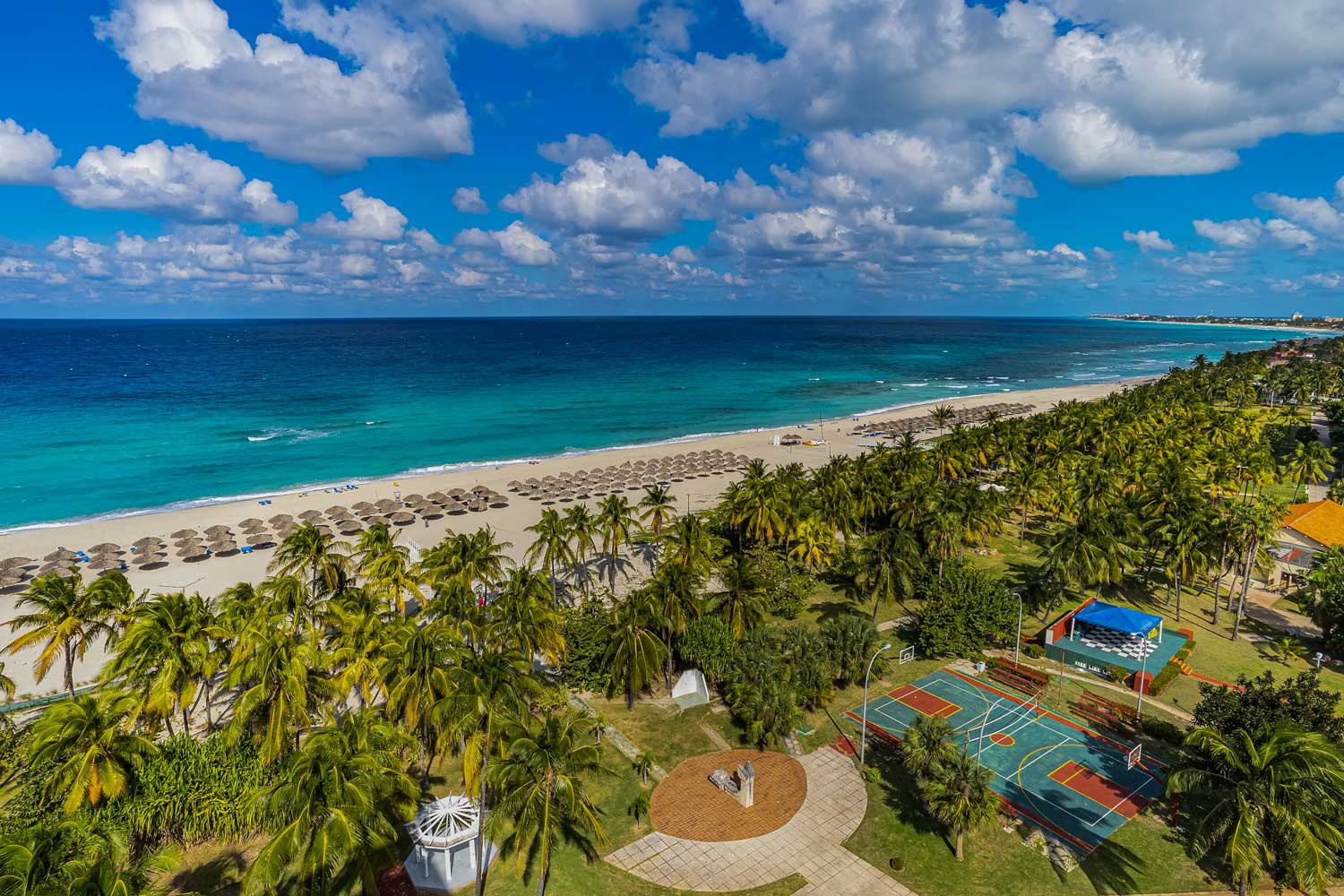
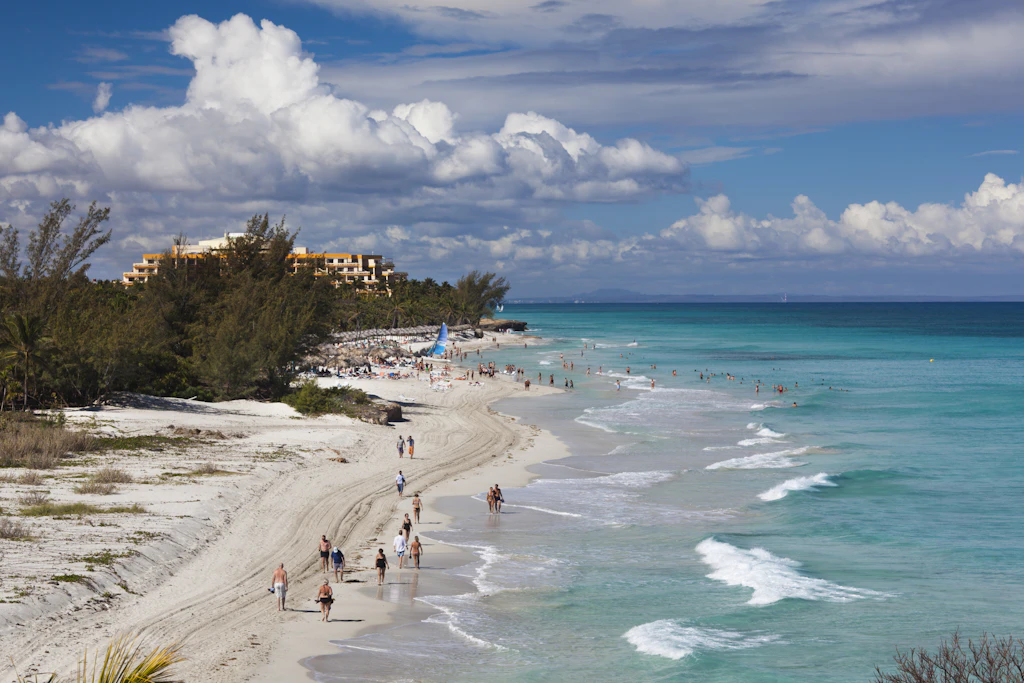
When most people picture their ideal Cuban holiday, they're likely envisioning the period between December and May. And for good reason! This is Cuba's dry season, offering that sought-after sunshine without the stifling humidity that can sometimes make exploration feel like a workout. Think comfortably warm temperatures, gentle breezes, and plenty of sunshine for soaking up those iconic beaches.
Must Read
This is the time when the skies are a dazzling cerulean, perfect for snapping those postcard-worthy photos of Trinidad's colourful colonial buildings or the sprawling grandeur of Havana's Malecón. The humidity is at its lowest, making it a joy to wander through bustling markets, discover hidden plazas, and perhaps even attempt a few salsa steps without feeling like you've run a marathon.
Expect average temperatures to hover in the mid-70s to low-80s Fahrenheit (around 24-28°C). This is your cue to pack those linen shirts, breezy sundresses, and plenty of sunscreen. The evenings are usually pleasant, perfect for enjoying a mojito or two on a rooftop terrace, listening to the ambient sounds of the city.
Why it's a Crowd-Pleaser (and How to Beat the Rush)
This period is, unsurprisingly, the peak tourist season. You'll find more travellers, slightly higher prices for flights and accommodation, and more organised tours. While this can add to the lively atmosphere, if you prefer a more laid-back experience, it's worth considering how to navigate the crowds.
Pro Tip: If you're travelling during these months, book your flights and accommodation well in advance. Especially if you have your heart set on a particular casa particular or a boutique hotel, early booking is your best friend. Consider visiting in the shoulder months of late April or early May, or even late November, to catch some of that glorious dry-season weather with fewer people.
Also, remember that Christmas and New Year's are particularly popular, with prices often soaring. If you can swing it, a trip just before or just after these major holidays can offer a sweet spot of good weather and slightly less congestion.
Embracing the Heat: June to August
Now, let's talk about the summer months – June, July, and August. Cuba definitely heats up during this time, both in temperature and in spirit! This is the heart of the Caribbean summer, and if you love intense sunshine and a vibrant, party atmosphere, this could be your sweet spot.
Temperatures can reach the high-80s to low-90s Fahrenheit (around 30-34°C), accompanied by a noticeable increase in humidity. Think of it as embracing the full tropical experience! The good news? The beaches are incredibly inviting during these months, and many locals head to the coast to escape the heat. This can make for a very lively and fun beach scene.
This is also the time when many of Cuba's most famous festivals take place. The Carnaval in Santiago de Cuba, usually held in July, is legendary – a week-long explosion of music, dancing, and elaborate parades. If you're looking for an immersive cultural experience and don't mind a bit of sweat, this is your chance.
Fun Fact: During the summer months, you might notice that afternoons can bring spectacular, albeit brief, thunderstorms. These are often a welcome respite from the heat, and once the rain passes, the air feels wonderfully refreshed. Don't let them deter you; they're part of the Caribbean charm!
Beat the Sweat, Enjoy the Vibe
If you're sensitive to heat and humidity, these months might require a bit more strategic planning. Stay hydrated, seek out shade during the hottest parts of the day, and embrace activities that involve water. Think swimming in the turquoise waters of Varadero or exploring the natural swimming holes like those found in Viñales.
Practical Tip: Consider staying in accommodations with good air conditioning. This will be your best friend for a comfortable night's sleep and a refreshing break from the midday sun. Also, don't be afraid to start your day early. Many museums and attractions open their doors first thing in the morning, allowing you to see more before the heat truly sets in.

The Rainy Season Charm: September to November
This is often the period that gets a bit of a bad rap, but let me tell you, there's a unique kind of magic to be found in Cuba during the rainy season, which generally runs from September to November. Yes, you'll encounter more rain, but it's rarely relentless. Think of it as a dramatic pause in the otherwise constant sunshine.
The temperatures remain warm, often in the high-70s to low-80s Fahrenheit (around 26-28°C), but the humidity is significantly higher. The rain usually comes in short, intense bursts, often in the afternoon or evening, transforming the landscape into a lush, vibrant green.
The biggest advantage of visiting during these months? Fewer crowds and lower prices. This is the time to snag some incredible deals on flights and accommodation. It's also when you'll find a more authentic, everyday feel to Cuba, as the streets are less populated with tourists.
Cultural Insight: The rain can actually enhance the experience of exploring colonial cities like Havana or Cienfuegos. The wet cobblestones glisten, the colours of the buildings seem to deepen, and the sound of raindrops on ancient rooftops creates a wonderfully atmospheric backdrop.
Making the Most of the Downpour
Don't let the potential for rain put you off! Embrace the unpredictability. Pack a light, waterproof jacket or an umbrella. When the rain hits, it's the perfect excuse to duck into a local café for a strong Cuban coffee, spend an afternoon exploring a museum, or simply relax in your casa particular with a book and the sound of the rain.
Smart Strategy: Be flexible with your itinerary. If a day looks like it might be rainy, prioritise indoor activities. Conversely, if the sun is shining, make the most of it with outdoor excursions.

Fun Fact: September and October are technically part of the hurricane season in the Caribbean. While direct hits are rare, it's always wise to monitor weather forecasts if you're travelling during these months. Travel insurance that covers weather-related disruptions is also a wise investment.
The Shoulder Seasons: The Best of Both Worlds?
If you're looking for that elusive "best of both worlds" scenario, then the shoulder seasons are your golden ticket. These are the periods that bridge the gap between the dry and rainy seasons, offering a delightful mix of favourable weather and manageable crowds.
Late April to May
As the dry season winds down, late April and May offer fantastic weather. The heat is pleasant, the humidity is still relatively low, and the islands are bursting with vibrant flora. You'll experience the sunshine without the intense crowds of the peak months, and prices may start to drop slightly.
This is a beautiful time to explore the lush landscapes of Viñales or wander through the historic streets of Old Havana without feeling rushed or overwhelmed.
November
Following the rainy season, November marks the return of drier, more comfortable weather. The heat begins to ease, the humidity drops, and the country feels refreshed after the rains. You'll find a lively atmosphere as tourism picks up, but it won't quite reach the peak intensity of December or January.
This is a wonderful time to enjoy the beaches and the vibrant street life, with pleasant temperatures for exploring.

A Quick Nod to the Hurricane Season
We touched on it briefly, but it's worth reiterating: the official hurricane season runs from June 1st to November 30th. While Cuba is not as frequently impacted as some other Caribbean islands, there's always a possibility. However, if you travel during these months, understand that the chances of a direct hit are relatively low, and most trips go off without a hitch.
Key Takeaway: If you're travelling during this period, stay informed about weather updates and have a flexible mindset. Most resorts and casa particulares will have contingency plans in place.
Making Your Choice: It's All About You!
Ultimately, the "best" time to visit Cuba is entirely subjective and depends on your priorities:
- For guaranteed sunshine, low humidity, and a lively atmosphere: December to May (peak season).
- For intense heat, vibrant festivals, and beach parties: June to August (summer heat).
- For fewer crowds, lower prices, and a more authentic vibe (with a chance of rain): September to November (rainy season).
- For a perfect blend of good weather and manageable crowds: Late April to May and November (shoulder seasons).
No matter when you choose to visit, Cuba will enchant you. You'll find yourself swept away by the infectious energy of the people, the richness of its history, and the sheer beauty of its landscapes.
A Moment of Reflection
Thinking about the best time to visit Cuba reminds me of how we approach so many decisions in our own lives. We often seek the "perfect" moment, the ideal conditions, the guarantee of sunshine and smooth sailing. But sometimes, the most rewarding experiences come from embracing the unexpected, from finding beauty in the gentle patter of rain on a quiet afternoon, or from stepping out of our comfort zone into a little heat and humidity.
Cuba teaches us that life, like its seasons, is a rich tapestry of experiences. So, whether you chase the sun of the dry season or embrace the vibrant spirit of summer, remember that the true magic lies not just in the weather, but in the willingness to immerse yourself, to dance to the rhythm of the island, and to let its infectious energy colour your world.