Attitude Era Wrestlers
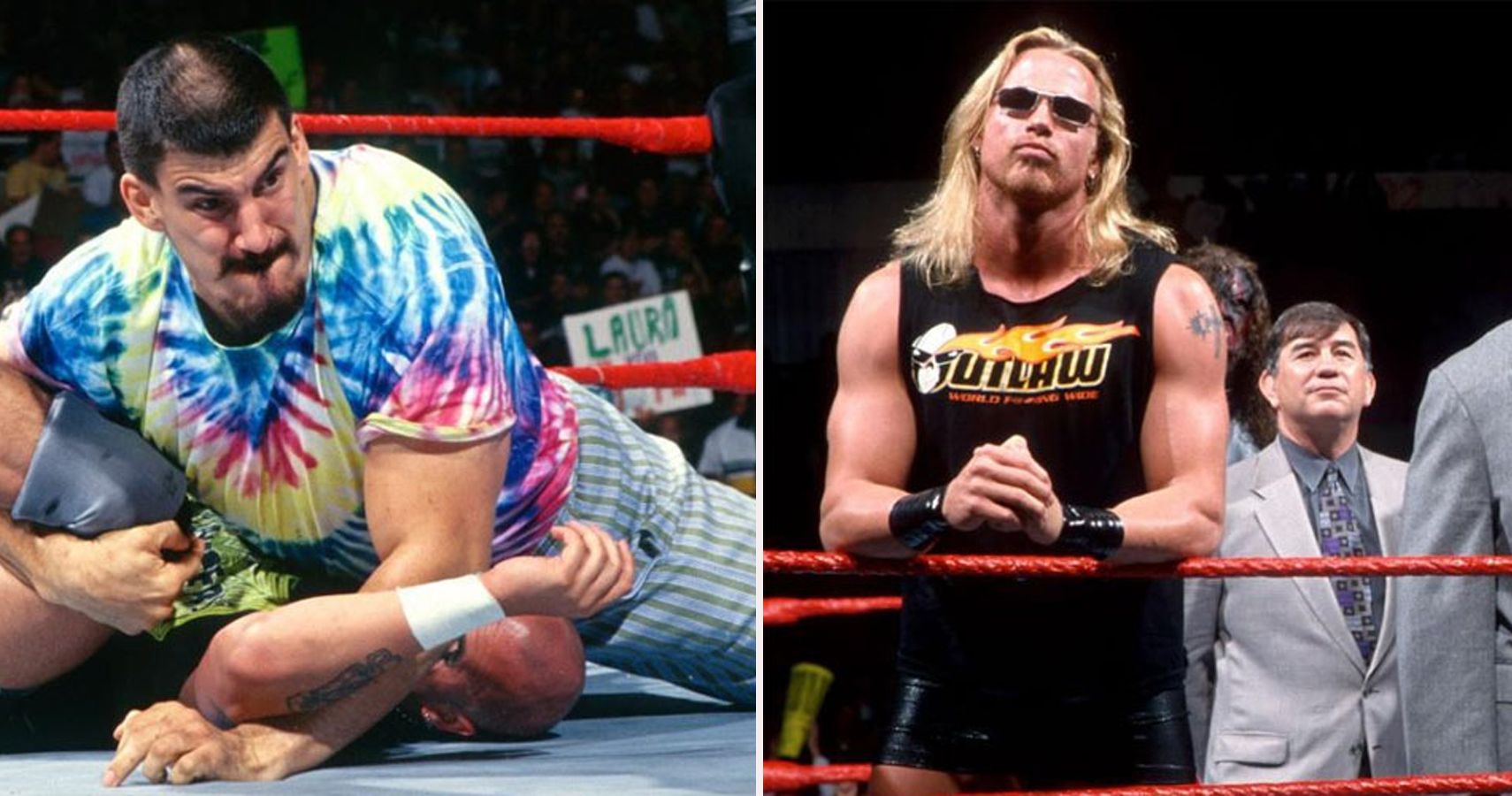
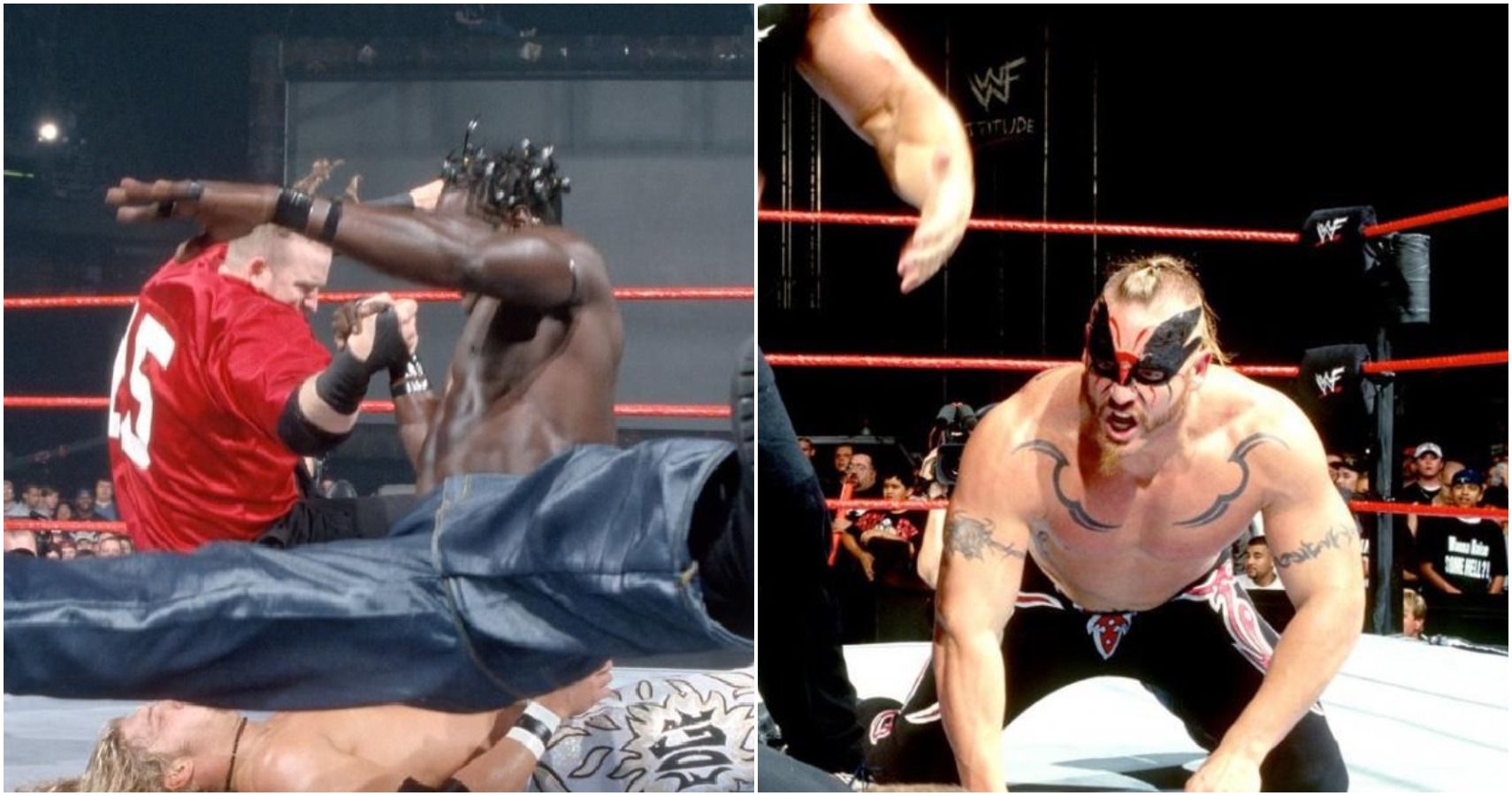
Remember the days when wrestling wasn't just about impressive athleticism, but about something a little more…edge-of-your-seat chaotic? We’re talking about the Attitude Era, a time in wrestling history that was less about heroic poses and more about anti-heroes, shocking storylines, and a whole lot of attitude. If you grew up glued to the TV during those years, you know exactly what we’re talking about. It was the era that redefined what professional wrestling could be, pushing boundaries and somehow, miraculously, becoming more popular than ever.
Think back to the late 90s and early 2000s. The world was changing, and wrestling was right there with it, mirroring the cultural shifts with its own brand of rebellion. We had characters who weren't afraid to be a little (or a lot) bad. They were flawed, they were controversial, and they were undeniably captivating. This wasn't your grandpa's wrestling; this was something that resonated with a generation that was itself questioning the status quo.
The Attitude Era was a masterclass in risk-taking. It embraced a darker, more mature tone, incorporating elements of shock value and adult humor that were previously unheard of in mainstream wrestling. It was a bold departure from the more family-friendly wrestling of the Golden Era, and it proved to be a massive gamble that paid off in spectacular fashion. This era gave us some of the most iconic figures in wrestling history, individuals whose larger-than-life personalities and unforgettable catchphrases are still etched in our collective memory.
Must Read
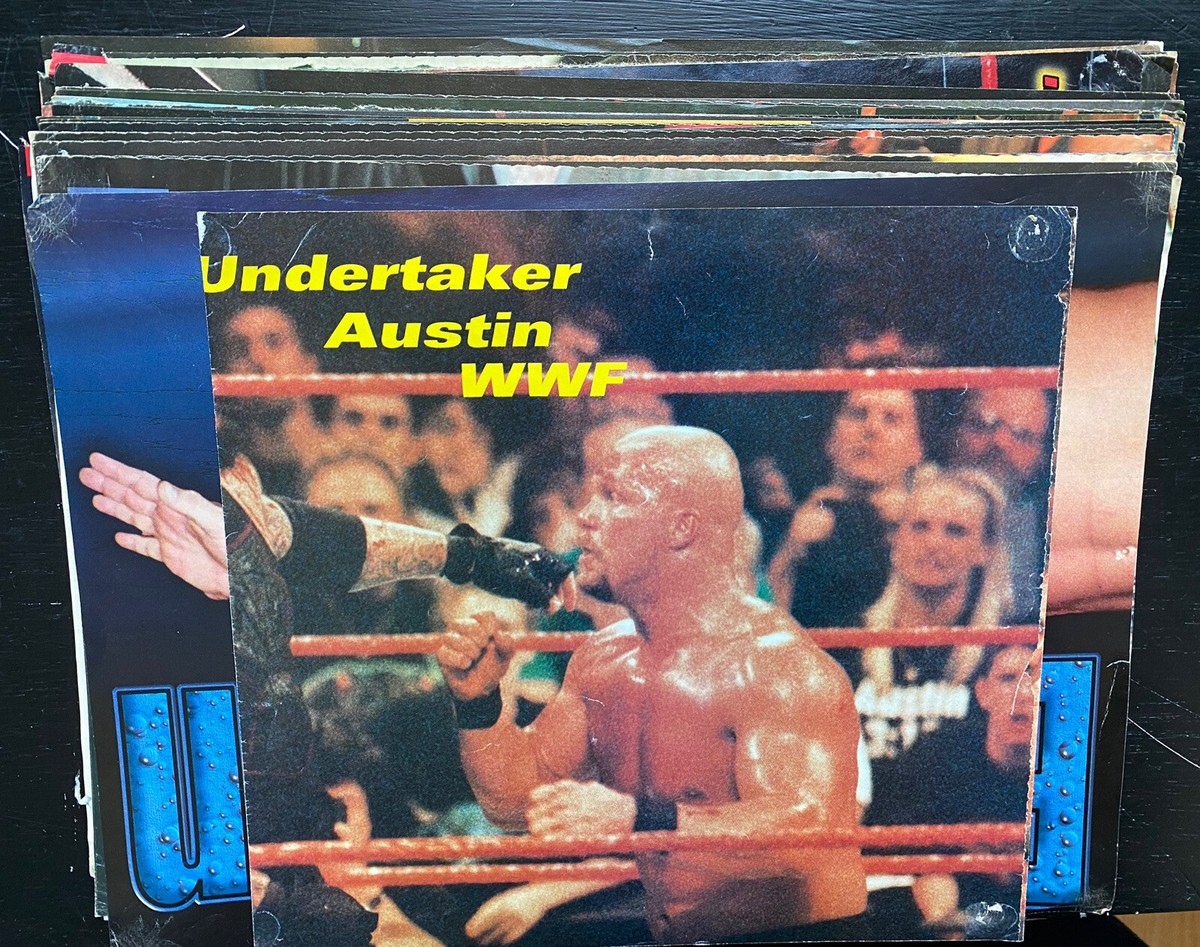
Let's dive into some of the legendary figures who defined this era. First up, we have the man, the myth, the legend – Stone Cold Steve Austin. This beer-drinking, middle-finger-flipping Texan was the epitome of the Attitude Era's spirit. He was the everyman who finally had enough of the authority figures and decided to take matters into his own hands. His anti-hero persona was incredibly relatable to an audience that felt similarly disenfranchised. He wasn't perfect; he was rough around the edges, and that's precisely why we loved him. He embodied the idea that you can fight back against the system, even if it means breaking a few rules along the way.
And then there's The Rock. Dwayne "The Rock" Johnson brought an electrifying charisma to the ring. His mic skills were unparalleled, his catchphrases were legendary ("If ya smell what The Rock is cookin'!", "It doesn't matter what your name is!"), and his ability to switch between intense wrestling and comedic banter was pure gold. The Rock was the perfect foil to Stone Cold, and their rivalries are still considered some of the greatest in wrestling history. He represented a more refined, yet still incredibly cocky, brand of swagger. He showed us that confidence, mixed with a bit of showmanship, can be a powerful force.
We can't forget Triple H. While he may have started as part of the more polished D-Generation X, he evolved into a formidable force during the Attitude Era. His evolution from a character like "The Game" to a more dominant, often villainous, figure showcased a different kind of ambition and ruthlessness. Triple H represented the darker side of power and the lengths some would go to achieve it. He was the calculating antagonist who always seemed to have a plan, and his stoic intensity was often chilling.
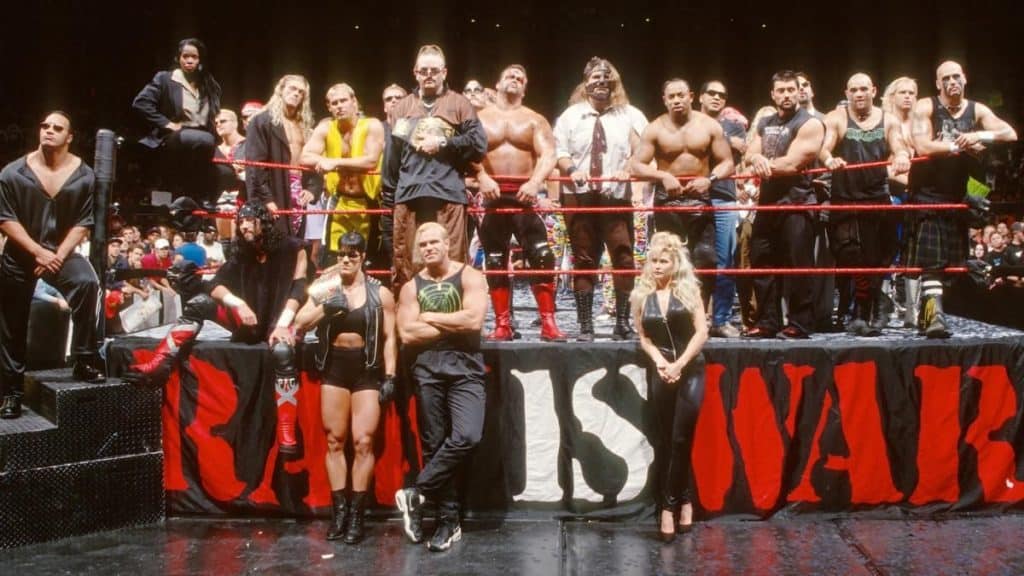
And what about the women of the Attitude Era? They weren't just eye candy; they were fierce competitors who held their own. Chyna, the "Ninth Wonder of the World," was a trailblazer. She defied traditional gender roles in wrestling, often competing against male wrestlers and proving her strength and dominance. She was a powerful symbol of female empowerment and strength, shattering stereotypes with every appearance. Her physical prowess and unapologetic attitude made her a unique and unforgettable presence.
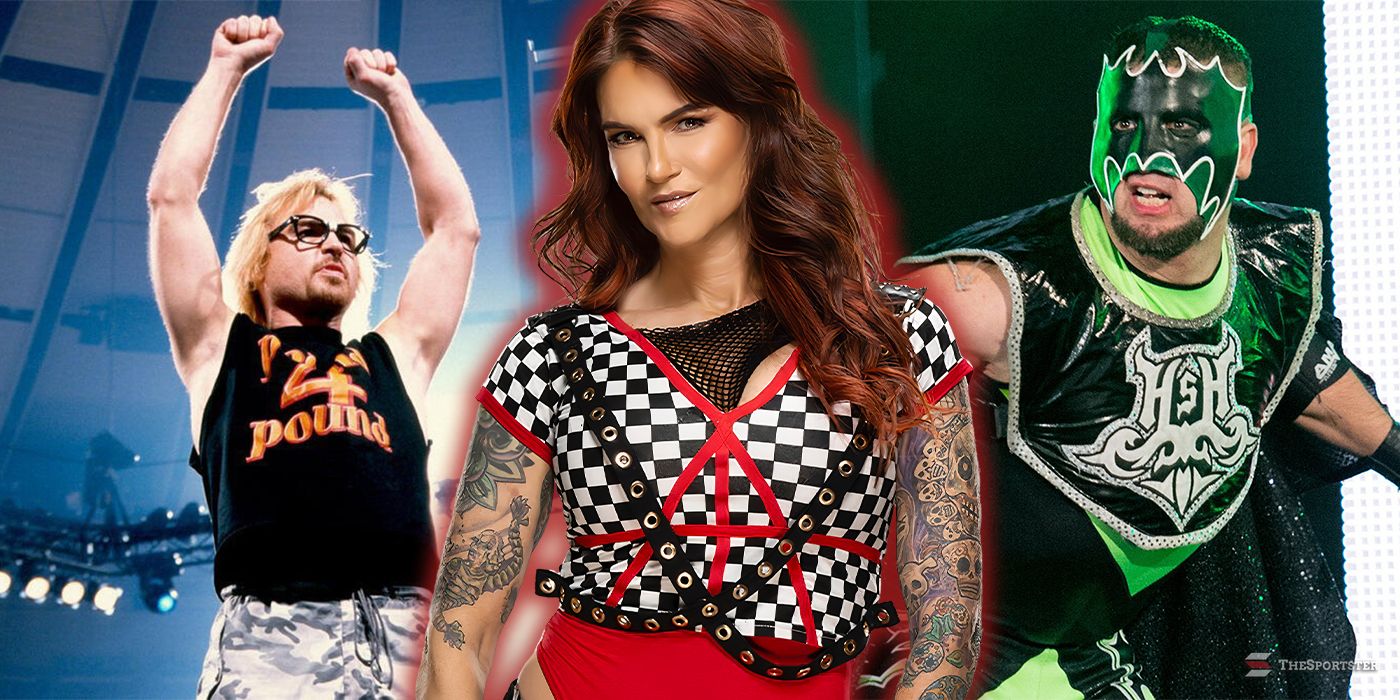
Then there were the Divas like Lita and Trish Stratus. They brought a rebellious and edgy flair, engaging in storylines that were often as captivating and controversial as those of their male counterparts. They weren't afraid to be sexy, but they were also incredibly talented athletes. They showed that you could be both glamorous and tough, a combination that resonated deeply with the audience. They redefined what a female wrestler could be, showcasing athleticism and personality in equal measure.
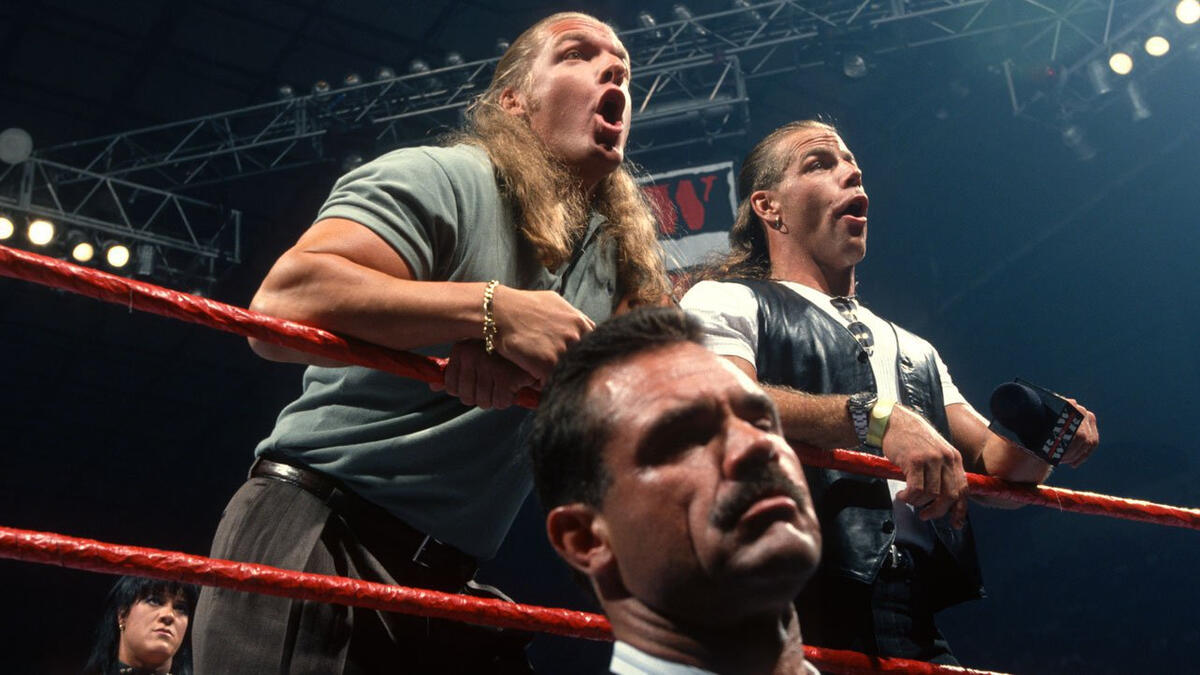
The Attitude Era was also known for its faction warfare. Think about D-Generation X (DX). This rebellious group, featuring characters like Shawn Michaels, Triple H, and Chyna, were the rebels who constantly poked fun at authority and pushed the boundaries of what was acceptable. They were the pranksters, the rule-breakers, and the embodiment of youthful defiance. Their antics, from invasions to crude humor, became legendary. They were the guys who made you laugh and gasp in the same breath.
And who can forget the Nation of Domination? This group, led by figures like Faarooq and later The Rock, brought a sense of cultural commentary and a powerful, often intimidating, presence. They represented a different kind of power dynamic, challenging norms and asserting their dominance in the wrestling landscape. They were a force to be reckoned with, bringing a unique blend of intensity and ideological conviction.
The storylines of the Attitude Era were often wild, unpredictable, and sometimes downright bizarre. We saw betrayals, alliances, and shocking twists that kept viewers on the edge of their seats. Remember the McMahon family's involvement? Vince McMahon, the patriarch of WWE, often played the villain, directly involved in the drama and chaos. His role as the ultimate authority figure, who was constantly being undermined and manipulated, added a unique meta-layer to the storytelling. It was a soap opera on steroids, and we couldn't get enough.
The creativity during this period was remarkable. Writers weren't afraid to experiment with edgy themes, exploring issues like racism, sexism, and political corruption in ways that were, admittedly, sometimes controversial but undeniably thought-provoking. It was a reflection of the times, a society grappling with its own complexities. It mirrored the grittier, more realistic narratives that were emerging in other forms of media, like movies and television shows.
Let's talk about the impact of this era. The Attitude Era propelled WWE to unprecedented commercial success. It drew in a massive audience, both young and old, and transformed professional wrestling into a mainstream phenomenon. It proved that a bold, edgy approach could be incredibly lucrative. It wasn't just about the matches; it was about the characters, the drama, and the sheer entertainment value. It was a cultural touchstone for a generation.
What made it so compelling? It tapped into a primal desire for rebellion and authenticity. In a world that often felt overly polished and manufactured, the Attitude Era offered something raw and real. The characters were flawed, their motivations were often selfish, and their struggles were relatable. They weren't superheroes; they were anti-heroes who made mistakes and faced consequences, albeit in a highly exaggerated and theatrical way.
Think about some of the memorable moments that defined this era. The glass shattering for Stone Cold’s entrance. The Rock’s electrifying promos. DX’s infamous "invasion" of WCW. These were moments that transcended wrestling; they became pop culture events. They were the water cooler talk of the era, sparking discussions and debates among fans and casual observers alike. These moments were carefully crafted, designed to be impactful and memorable, and they succeeded in spades.
Beyond the entertainment, the Attitude Era offered some surprisingly relevant life lessons. The importance of resilience, for instance. Stone Cold Steve Austin endured countless injuries and setbacks but always found a way to fight back. He showed us that even when you're knocked down, you can get back up and keep pushing forward. It’s a powerful message about perseverance in the face of adversity.
There's also the lesson of authenticity. Characters like Stone Cold and The Rock weren't afraid to be themselves, flaws and all. They embraced their unique personalities, and that's what made them so magnetic. In our own lives, trying to fit a mold can be exhausting. Embracing our individuality, even our quirks, can be incredibly freeing and attractive to others. It’s about owning who you are, unapologetically.
We also saw the power of strategic alliances. While many rivalries were fierce, characters often formed temporary alliances to achieve common goals. This reflects the reality of navigating complex relationships and professional environments. Sometimes, the best way to get ahead is to collaborate, even with those you might not always agree with. It’s about understanding that no one achieves greatness entirely alone.
And let’s not forget the importance of communication, especially verbal sparring. The mic skills of wrestlers like The Rock and Stone Cold were legendary. They could use words as weapons, cutting down opponents with sharp wit and memorable insults. This highlights the power of clear, impactful communication in any field. Being able to articulate your thoughts and ideas effectively can be a game-changer, whether you’re in the ring or in a boardroom.
What can we take away from the Attitude Era today? It’s a reminder that pushing boundaries and embracing your individuality can lead to great things. It’s about finding your own "attitude" and not being afraid to express it. It’s about understanding that sometimes, the most compelling stories come from characters who aren't perfect, but are relatable in their struggles and triumphs.
So, the next time you feel like you're just going through the motions, channel a little bit of that Attitude Era spirit. Maybe it's not about flipping off your boss or chugging beers in the middle of an office meeting (please don't do that!), but it’s about finding that spark of defiance, that willingness to be yourself, and that drive to make your own mark. It’s about understanding that a little bit of controlled chaos and a whole lot of personality can make life, and your work, a whole lot more interesting.
The legacy of the Attitude Era lives on, not just in wrestling fandom, but in its impact on pop culture and its enduring lessons about self-expression, resilience, and the power of a captivating narrative. It was a time when wrestling was fearless, and in doing so, it became unforgettable.