Arts And Crafts For 1 Year Olds
Welcome to the wonderfully messy, wildly creative world of arts and crafts with your one-year-old! If you've been eyeing those Pinterest boards filled with intricate toddler masterpieces and feeling a tad intimidated, take a deep breath. At this age, it's less about the finished product and more about the joyful exploration. Think of it as sensory playtime with a splash of color and a whole lot of giggles.
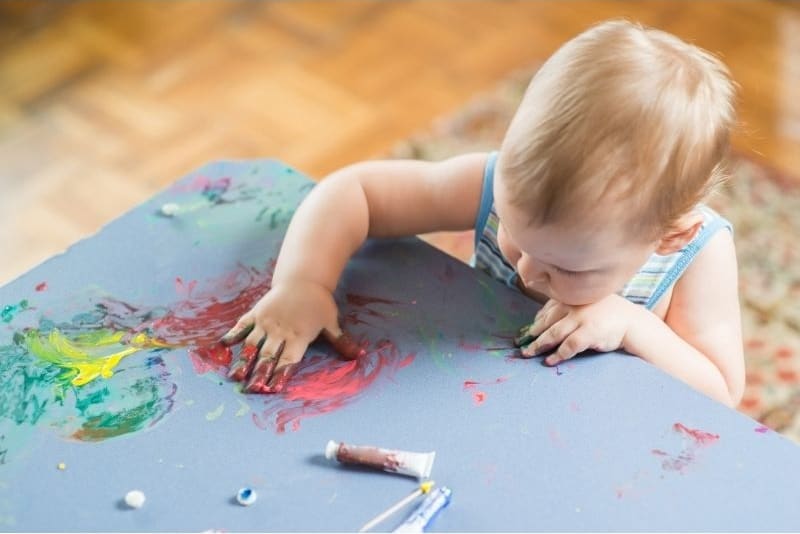
Forget fussy instructions and perfectly proportioned creations. For a one-year-old, art is pure, unadulterated sensory input. They're discovering textures, colors, and how their little hands can make things happen. It’s a crucial part of their development, fostering fine motor skills, hand-eye coordination, and that all-important sense of cause and effect. Plus, it’s a fantastic way to bond and create some truly memorable (and often hilarious) moments.
The "Why" Behind the Mess: More Than Just Pretty Pictures
Let's dive into why these simple activities are so beneficial. For starters, art taps into their burgeoning curiosity. They’re exploring the world with all their senses, and art provides a safe, controlled environment for them to do just that. That squishy feeling of paint? The crinkle of paper? The smooth glide of a crayon? It’s all brand new and exciting for them.
Must Read
Fine motor skills are getting a serious workout. Gripping a chunky crayon, patting at paint, or manipulating play-dough – these actions are building the muscles in their hands and fingers, preparing them for future tasks like writing and dressing themselves. It’s the tiny foundations being laid for big achievements!
And let's not forget the cognitive benefits. They're learning about colors, shapes, and textures. They're understanding that they can make things happen – a concept known as agency. This builds confidence and a sense of control over their environment. It's like their own little scientific experiment, but with a lot less lab coat and a lot more sticky fingers.
Culturally, art has always been a fundamental part of human expression. From cave paintings to Picasso, we've used art to tell stories, convey emotions, and understand the world. Introducing your little one to art, even in its most basic form, is like giving them their first paintbrush in the grand gallery of human experience. It’s a connection to something ancient and intrinsically human.
Getting Started: The "No-Fuss" Approach
The most important rule of arts and crafts for one-year-olds? Keep it simple and safe. Their attention spans are short, and their methods are… experimental. So, let’s strip away the pressure and focus on the fun.
Sensory Delights: Paint, Play-Doh, and Beyond
Paint is often the first thing that comes to mind, and for good reason! But we're not talking about delicate watercolor washes here. We're talking about edible finger paints. Yes, you read that right! Making your own edible paint is incredibly easy and completely stress-free. A simple recipe involves blending yogurt or pureed fruit (like berries or mango) with a touch of cornstarch. This is perfect for those little ones who still explore with their mouths. You can put dollops on a highchair tray or a large piece of paper taped to the floor.
Practical Tip: Always supervise closely, especially with edible paints. While safe, they can still make a big mess!
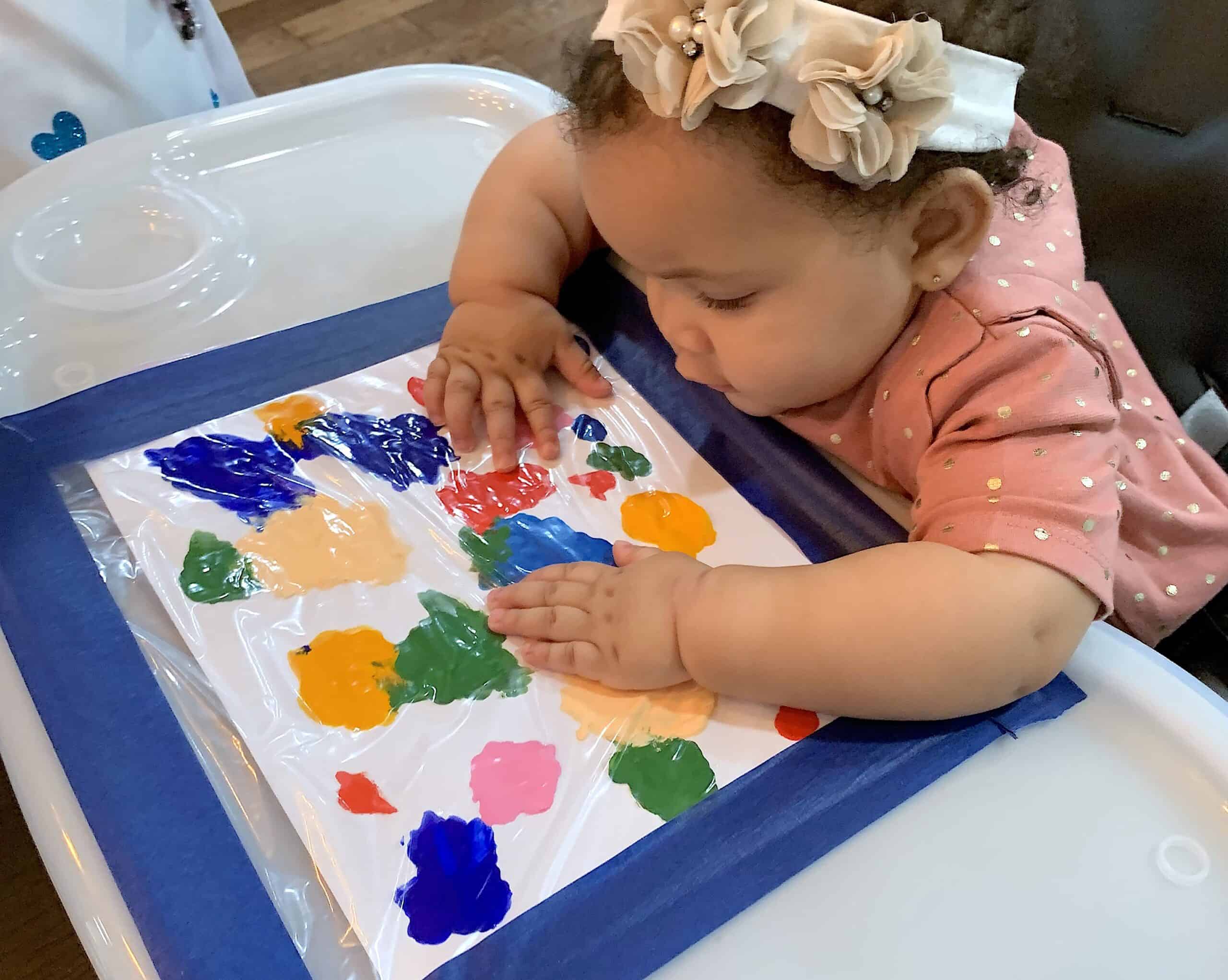
Another fantastic option is sensory bags. These are sealed plastic bags filled with various materials. Think shaving cream with food coloring, glitter glue, or even just colored water. Seal the bag tightly with strong tape, and let your little one squish and swirl the contents without the direct mess. It’s a win-win!
Fun Fact: The concept of "art therapy" for emotional expression dates back to the mid-20th century, but humans have been using art for healing and emotional release for millennia. Your little one is already a tiny art therapist in training!
And then there’s play-dough! You can buy it, or you can make your own. Homemade play-dough is often softer and more pliable, perfect for tiny hands. A basic recipe involves flour, salt, water, and a bit of oil. You can add food coloring for extra visual appeal. Let them pat it, roll it (with your help, of course), and explore its texture. It’s wonderfully tactile and great for strengthening those little hands.
Paper Play: Beyond the Blank Page
For one-year-olds, a blank piece of paper is an invitation to explore. Don't worry if they just scribble or even try to eat the paper (that's where non-toxic crayons come in!). Large sheets of paper, like butcher paper or the back of wrapping paper, are ideal. Tape them down securely to prevent them from being balled up too quickly.
Chunky Crayons: These are designed for little hands to grip easily. Let them go wild! The goal is the process, not a recognizable image.
Sticker Fun: Large, easy-to-peel stickers are fantastic for developing pincer grasp – that ability to pick up small objects with their thumb and forefinger. Stick them on paper, on themselves, or on a designated "art" surface. It’s surprisingly engaging for them.

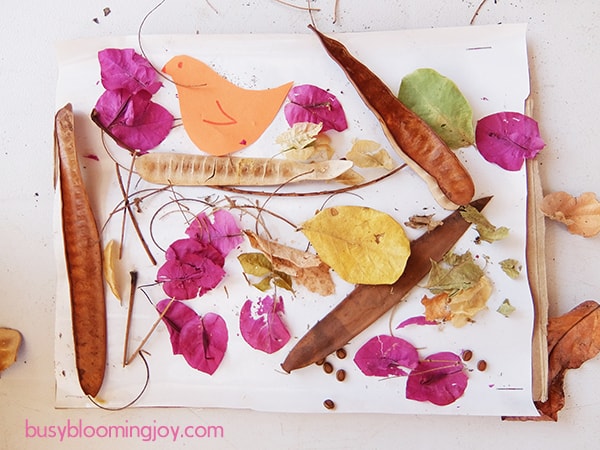
Collage Creations: With supervision, you can offer large pieces of paper and safe, chunky materials to glue. Think fabric scraps, large pom-poms, or even torn pieces of colored paper. Use a child-safe glue stick or a diluted craft glue. This is a great way to introduce different textures and patterns.
Cultural Snippet: Did you know that the Japanese art of origami, the folding of paper, has been practiced for centuries? While your one-year-old won't be folding cranes, the simple act of manipulating paper is a precursor to understanding its form and structure.
Exploring Color: Simple Techniques
Color is a huge part of art, and at this age, it’s all about discovery. When using paints, don’t worry about teaching them color names unless they show interest. Just let them experience the visual impact of different hues.
Water Painting: This is the ultimate mess-free art! Give them a paintbrush and a cup of plain water, and a dark-colored surface (like a chalkboard or dark construction paper). They can "paint" with the water, and as it dries, the "painting" disappears. It's like magic!
Sponge Painting: Cut up sponges into fun shapes or just use them as they are. Dip them in shallow trays of washable paint and let them dab and press onto paper. The texture of the sponge creates interesting marks.
Footprint Art: This is a classic for a reason! Put a shallow amount of washable paint on a plate and let your little one step in it. Then, help them step onto a large piece of paper to create adorable footprints. It's a wonderful keepsake and a great sensory experience.
Fun Fact: The primary colors (red, yellow, blue) have been recognized as foundational in art for centuries, with early artists understanding how to mix them to create a spectrum of other colors. Your little one is instinctively exploring these building blocks!
Setting Up for Success: Practical Tips for Parents
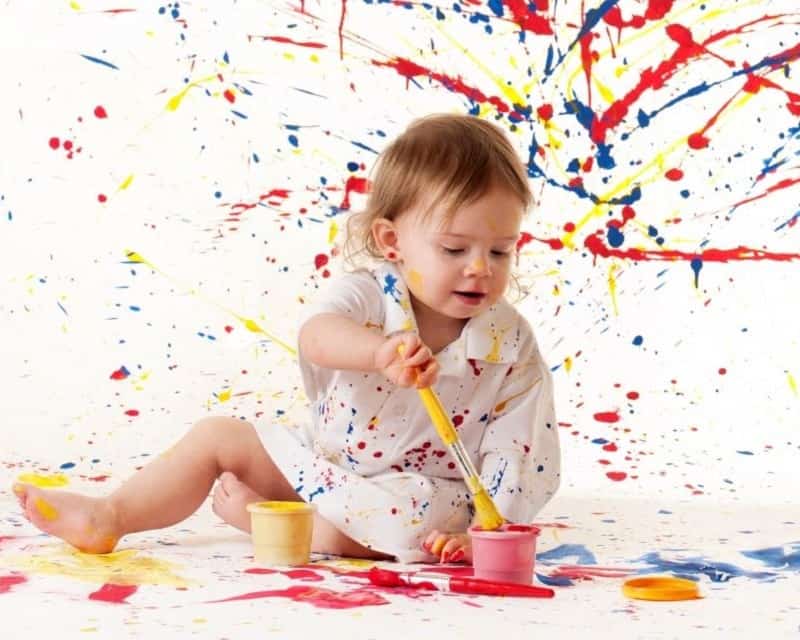
Let’s be honest, with a one-year-old, "easy-going" often translates to "managing the inevitable mess." But with a few smart strategies, you can minimize the chaos and maximize the fun.
The "Art Zone": Contain the Creativity
Designate a specific area for art. This could be a highchair, a waterproof mat on the floor, or even a small table and chairs if they're comfortable. For floor activities, a large plastic shower curtain or an old tablecloth works wonders as a protective barrier.
Outfit of the Day: Dress your little artist in clothes you don't mind getting stained. An old t-shirt worn backward or a smock is essential. You might even consider going diaper-only for certain messy activities, provided your space allows for easy clean-up!
Essential Supplies:
- Washable paints: This is non-negotiable!
- Chunky crayons or jumbo markers: Easy for little hands to grip.
- Large paper: Butcher paper, newsprint, or even the back of wrapping paper.
- Child-safe glue: Sticks or diluted liquid glue.
- Safe sensory materials: Edible paints, play-dough, large stickers.
- Protective gear: Smocks, old clothes, floor coverings.
- Wipes and towels: Always have them within reach!
Embracing Imperfection: Letting Go of Expectations
This is perhaps the most important tip. Your one-year-old is not trying to create a masterpiece for the Louvre. They are exploring, experimenting, and learning. If they smear paint all over the paper and then decide to eat it, that’s okay! If they rip the paper instead of drawing on it, that’s part of the process.
Focus on the process, not the product. When they’re done, you can exclaim, "Wow, look at all the colors you used!" or "You made so many different marks!" rather than focusing on what the picture is. The praise should be for their effort and engagement.
Cultural Connection: In many Indigenous cultures, art is deeply intertwined with storytelling and spiritual practice. The act of creation is as meaningful as the finished piece, often intended to be shared or used in rituals. This reminds us that art has always been about more than just aesthetics.
Timing is Everything: Short, Sweet Sessions
One-year-olds have short attention spans. Aim for short, focused art sessions – maybe 10-15 minutes. Stop before they get frustrated or overtired. The goal is to end on a positive note, leaving them wanting more.
When to Start: There's no right or wrong age to introduce simple art. Once they can sit up independently and have some hand-eye coordination, you can begin. Many parents start around 6-9 months with purely sensory activities like edible paints.
Fun Fact: The invention of stable, non-toxic paints in the late 19th and early 20th centuries made art more accessible to children and paved the way for modern art education.
Beyond the Smears: Making Art a Daily Ritual
Arts and crafts don't have to be a big, planned event. Weave it into your daily routine in small, manageable ways. Leaving a few chunky crayons and a piece of paper on their tray during mealtime can turn a mundane moment into a creative opportunity. A sensory bag can be a great distraction while you're preparing dinner.
Think of these moments as building blocks for their future appreciation of art and creativity. You’re not just providing an activity; you’re nurturing a lifelong love for expression and exploration. It's about fostering a sense of wonder and the understanding that the world is a canvas waiting to be touched, explored, and colored.
In the grand, beautiful chaos of raising a little one, these art sessions are often the moments that stand out. The sticky hugs, the wide-eyed wonder as they discover a new color, the proud little grin when they smear paint across a page – these are the treasures. They remind us that sometimes, the simplest things, the ones that embrace mess and imperfection, are the most profoundly joyful. So, grab those washable paints, embrace the splatter, and dive into the delightful world of one-year-old art. It’s an adventure you won’t regret.