Are E Bikes Illegal In The Uk
Ever spotted someone whizzing past on a bicycle, looking suspiciously relaxed and not even breaking a sweat? You might have thought, "Crikey, they're fitter than they look!" Or perhaps you've wondered if they've discovered a secret gravity-defying technology. Well, chances are, you've witnessed the magic of an e-bike, and the question on your lips might be: are these things even legal on our beloved British roads and paths? Let's dive in, shall we? It's not quite as straightforward as "yes" or "no," but it's definitely not as complicated as assembling IKEA furniture on a Sunday morning. So grab a cuppa, and let's unravel the mystery of e-bikes in the UK.
The short answer, for most of us, is a resounding YES! Most e-bikes you see zipping around are perfectly legal. They're designed to give you a little helping hand, making hills feel like gentle slopes and long rides feel like a pleasant stroll in the park. Think of it as having a tiny, invisible cyclist friend gently pushing you along when you need it most. It's all about making cycling more accessible and, dare I say, downright fun for everyone.
Now, the key to this legality lies in what we call the "Electrically Assisted Pedal Cycle" or EAPC. This is the official, slightly grown-up name for the most common type of e-bike allowed. For an e-bike to be an EAPC, it needs to meet a few important criteria. Don't worry, we won't be pulling out a tape measure and a stopwatch here. It's more about understanding the spirit of the law, which is to encourage cycling without turning our paths into motorways.
Must Read
One of the main rules is that the electric motor can only assist you when you are pedalling. This is crucial! It means the bike isn't a moped or a motorbike in disguise. You still have to do some of the work; the motor just gives you that extra oomph. So, no leisurely sipping your latte while the motor does all the heavy lifting. You've got to earn your smooth ride, in a way.
Another biggie is the motor's power output. For an e-bike to be an EAPC, its motor can't exceed 250 watts. This might sound like a small number, but trust me, on a bike, 250 watts feels like a super-powered boost. It's enough to make a real difference, especially on those pesky inclines that usually have us gasping for air. It’s the perfect amount of help, not too much to be intimidating, and not too little to be pointless.
And then there's the speed limit for the assistance. The motor should stop providing that lovely push when you reach 15.5 miles per hour (mph). Once you hit that speed, it's all down to your leg power. This is why you might see some e-bikes continuing to go faster, but those are often different categories of e-bikes, and we'll touch on that briefly. For your everyday, legal e-bike, the assistance has its limits, and that's a good thing!

So, if your e-bike has a motor that only kicks in when you pedal, has a maximum power of 250 watts, and stops assisting at 15.5 mph, congratulations! You're likely riding a perfectly legal and wonderfully fun EAPC. You can use it on cycle paths, in parks (check local rules for specific parks, of course!), and on the roads, just like a regular bicycle. It's a fantastic way to commute without arriving in a sticky, sweaty mess, or to explore further afield without needing the stamina of a marathon runner.
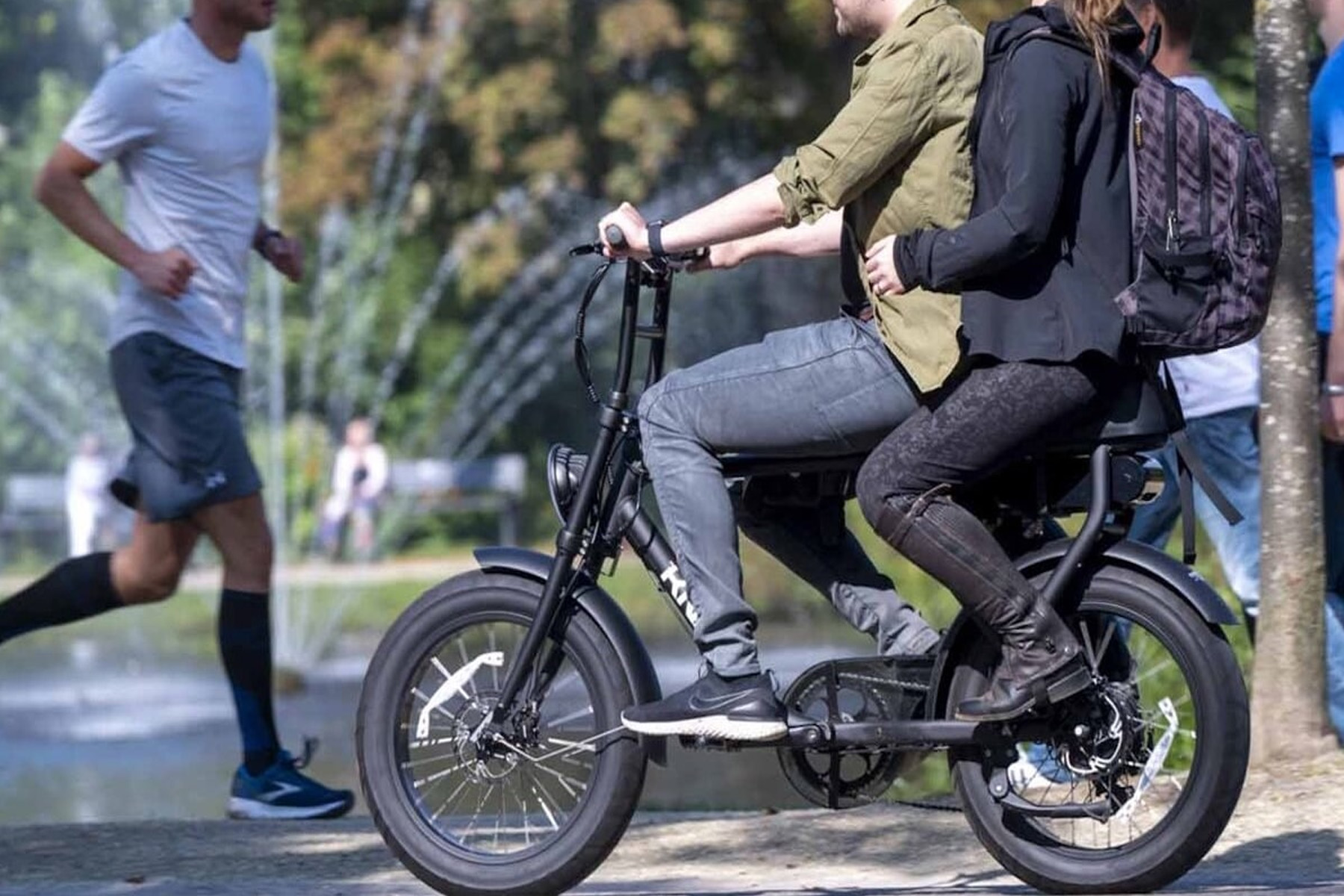
But what about those faster e-bikes, the ones that might leave you in their dust? Ah, this is where things get a little more nuanced. If an e-bike exceeds any of the EAPC limits – say, it has a more powerful motor or can go faster with assistance – it's no longer classified as a bicycle. It then becomes a motor vehicle. This means it needs to be registered, insured, and the rider needs the appropriate driving licence. It’s a bit like the difference between a really helpful scooter and a full-blown motorbike. They might look similar, but the rules are quite different.
Imagine trying to take one of these "faster" e-bikes onto a quiet village cycle path. The local ramblers might raise an eyebrow, and rightly so! These machines are designed for different environments and require more stringent regulations. It's all about ensuring safety for everyone, from the keen cyclist to the dog walker and the curious squirrel. The rules are there to prevent a free-for-all and keep our shared spaces enjoyable for all.

It's quite amusing to think about the evolution. Not too long ago, the idea of a bike that could help you up a hill seemed like science fiction. Now, they're becoming as common as a red telephone box or a Greggs sausage roll. And the joy they bring is immeasurable. I've heard stories of grandparents rediscovering the pleasure of cycling with their grandkids, thanks to the gentle assistance of an e-bike. It bridges generational gaps and makes the great outdoors accessible to more people.
Think of the sheer delight on someone’s face as they conquer a hill they previously avoided like the plague. It’s not about cheating; it’s about enabling. It's about opening up possibilities and rediscovering freedom. For someone with a slight health condition, or someone who just wants to arrive at work feeling refreshed rather than exhausted, an e-bike is a game-changer. It's a little piece of everyday magic, powered by electricity and a good dose of pedal power.
The UK government has been quite sensible about this. They recognised the potential for e-bikes to boost cycling, reduce traffic congestion, and improve public health. So, they created the EAPC category to allow these bikes to be used on the same paths and roads as regular bikes. It's a testament to a forward-thinking approach, embracing new technology while maintaining order. It’s a win-win situation for cyclists and for the environment.
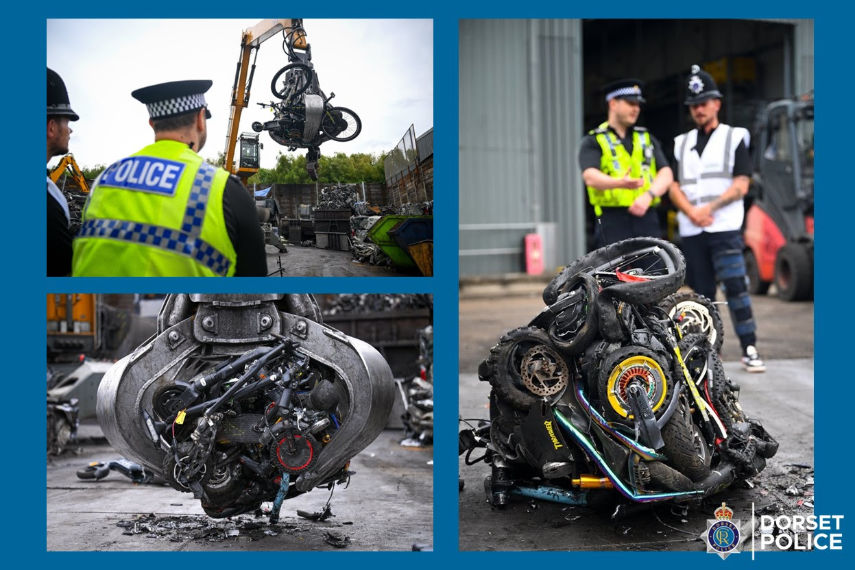
So, when you see someone gliding by on an e-bike, don't assume they're getting off scot-free. They're likely pedalling diligently, enjoying the gentle nudge of a motor that's perfectly legal and designed to make cycling more enjoyable. It's about embracing the joy of movement, the freedom of the open air, and the simple pleasure of a well-assisted ride. It's a story of innovation, accessibility, and a whole lot of happy pedalling across Britain.
Remember, the key is to know what you're riding. If you're unsure about your e-bike's specifications, it's always a good idea to check with the manufacturer or the retailer. They can confirm if your bike meets the EAPC criteria. It’s like knowing the rules of a game before you start playing; it makes the experience much smoother and more enjoyable for everyone involved.
The beauty of the EAPC is that it feels like an extension of yourself, not a separate machine. It’s that subtle boost that makes a challenging ride feel achievable, and a casual ride feel effortless. It's not about going ridiculously fast, but about making cycling a viable and enjoyable option for more people, more often. It’s a subtle revolution, happening one pedal stroke at a time.

So, next time you see an e-bike, you'll know it's not a secret, illegal contraption. It's likely a perfectly legal and incredibly helpful companion for anyone who loves to cycle, or who wants to rediscover the joy of cycling. They’re a wonderful addition to our cycling landscape, making our roads and paths a little bit greener, a little bit quieter, and a whole lot more fun.
It’s truly heartwarming to see how these bikes are bringing people back into the saddle. Whether it's for a leisurely weekend cruise or a daily commute, the e-bike is proving to be a reliable and enjoyable way to get around. The law, in this case, seems to have kept pace with innovation, ensuring that these fantastic machines can be enjoyed by many, responsibly and legally.
The whole concept is surprisingly simple at its core: a bicycle that gives you a little extra help when you need it. And in the UK, for the most part, this is perfectly fine and dandy. So, if you've been eyeing up an e-bike, or you already own one, you can ride with confidence, knowing you're part of a growing, legal, and oh-so-enjoyable cycling movement!
It's a fascinating little corner of the law, isn't it? Not too scary, not too complex, just a few sensible guidelines to keep things safe and enjoyable for everyone on two wheels (or three!). So go forth and pedal, legally and with a smile!